Physicists flip a single atom's nucleus with radio waves — and can't fully explain how
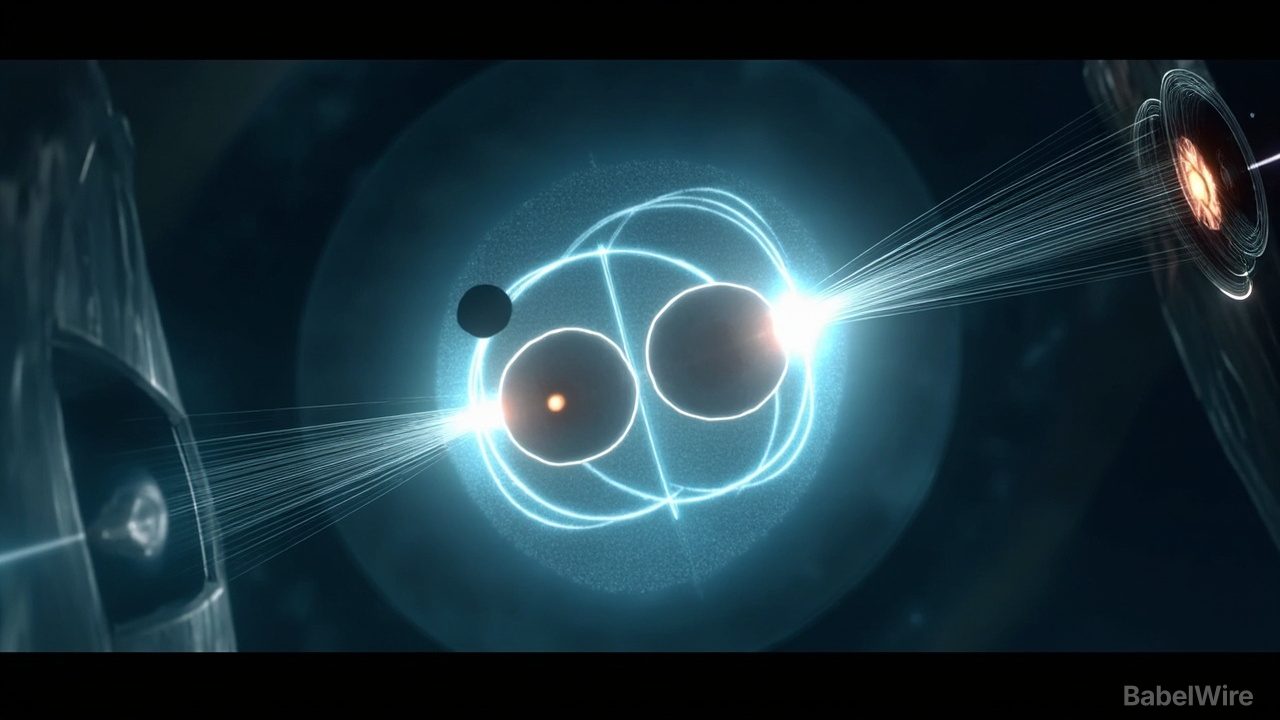
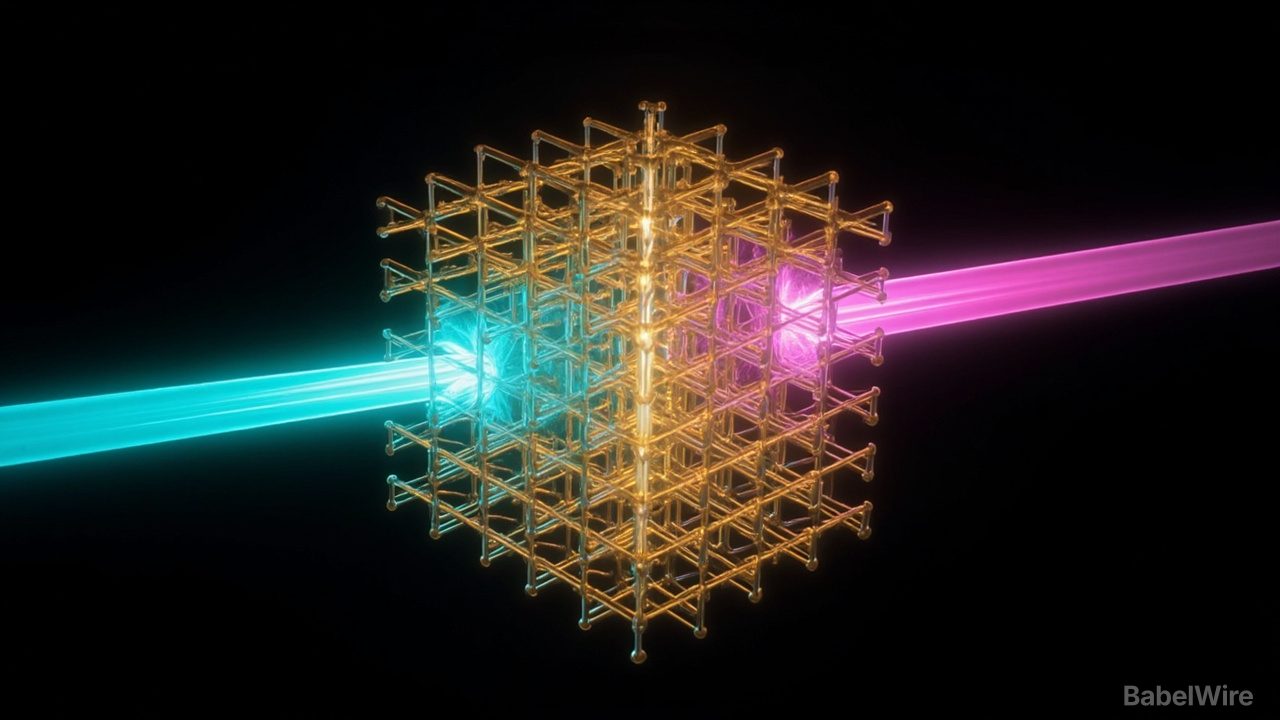
A Delft team used a scanning tunnelling microscope to drive nuclear magnetic resonance on a single atom on a surface, addressing the electron and nuclear spins independently with two simultaneous signals. They could flip the nucleus even when the two spins were largely disentangled, which their simple model says should not happen. The result, in Nature Communications, matters for quantum memories — and leaves the mechanism unexplained.