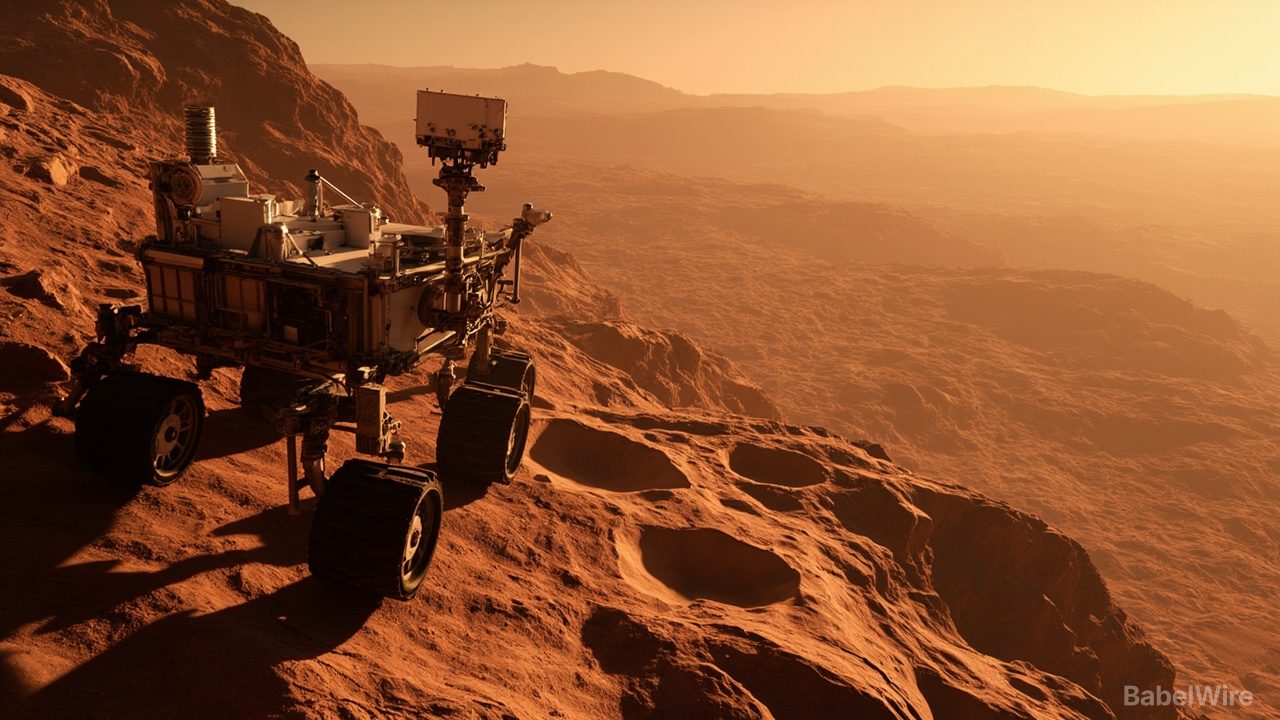
NASA's Curiosity rover, which has been exploring Mars for over 14 years, has encountered a new geological mystery: a cluster of wide, shallow pits on Mount Sharp that are fundamentally different from anything the mission has seen before.
"The pits this week were much wider and flatter than previous structures and we found no obvious objects that once occupied the pits," said Michelle Minitti, a scientist on the Curiosity Mars team, in a NASA press release.
Unlike the small, common pits found across Mars — which form when hard nodules or pebbles weather out of their host rock and leave behind a cavity — these newly discovered formations are significantly broader and shallower. Initial analysis reveals that the pit material contains layers that appear chemically distinct from the surrounding bedrock, with noticeable changes in texture and structure within gray, rough, and durable layers.
The team has been collecting data using Curiosity's suite of instruments to characterize these unusual features. Further investigations are expected to uncover additional details that could shed new light on the geological history of the Red Planet.
Curiosity landed on Mars in August 2012 and has been climbing Mount Sharp (Aeolis Mons) in Gale Crater since 2014. The mountain, which rises approximately 5.5 kilometers from the crater floor, contains layers of sedimentary rock that record billions of years of Martian geological history. Each new formation encountered by the rover provides potentially valuable clues about Mars's past environments.
The discovery underscores that even after more than a decade of continuous exploration, Mars continues to surprise scientists with features that challenge existing understanding of planetary geology.