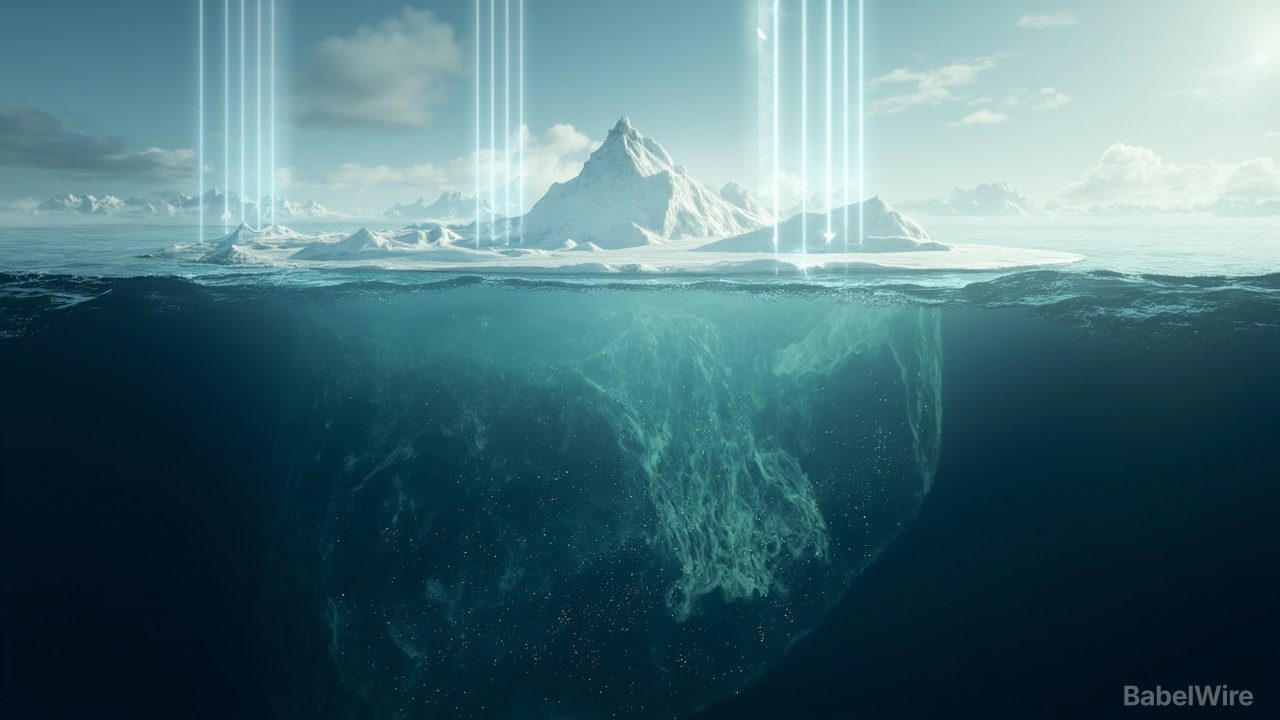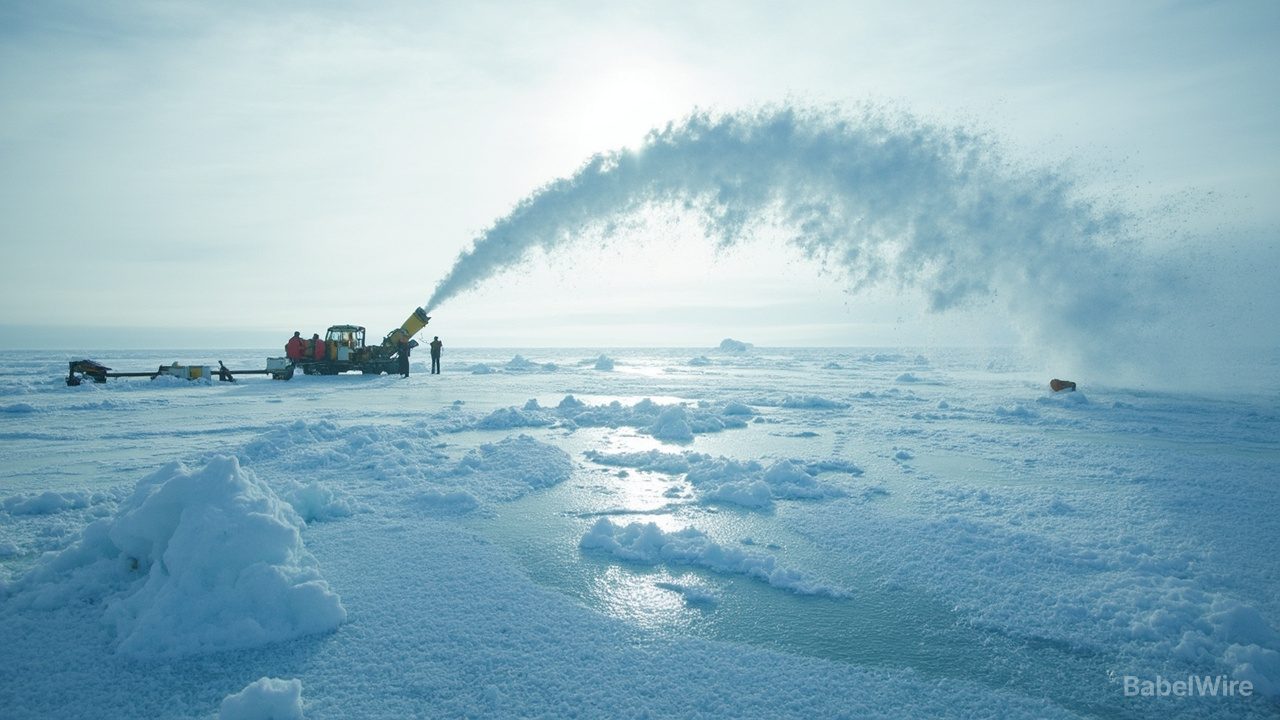
Researchers have completed the world's first scientific field test of a controversial geoengineering technique: thickening Arctic sea ice by pumping seawater onto its surface. The results, published in the Journal of Geophysical Research: Earth Surface, show the concept can work at a small scale — but significant hurdles remain before it could be deployed as a climate intervention.
The experiment, conducted in Cambridge Bay, Nunavut, Canada, involved pumping seawater from beneath the ice onto the surface during the brutally cold Arctic winter. The water rapidly froze, adding layers of ice and increasing overall thickness. The team demonstrated that the method could produce ice several meters thicker than natural formation alone.
Proponents argue that artificially thickened ice could slow or even reverse the alarming loss of summer sea ice in the Arctic, which has diminished by more than 12% per decade since satellite records began. Thicker ice is less likely to melt during summer months and reflects more solar radiation back into space — a critical mechanism in regulating global temperatures.
However, the study's authors caution that massive scaling up would face formidable obstacles. Pumping seawater across millions of square kilometers would require enormous amounts of energy, likely from fossil fuels, creating a carbon paradox. The environmental effects on marine ecosystems, brine distribution, and nutrient flows are also poorly understood.
Critics argue that geoengineering approaches like this distract from the more fundamental task of reducing greenhouse gas emissions. Still, with Arctic sea ice reaching record lows in recent years and climate feedback loops accelerating, researchers say no potential tool should be left unexplored.