Arizona confirmed its first case of New World screwworm on Thursday, in a dog in Cochise County, which borders both New Mexico and Mexico. That makes Arizona the third US state with confirmed cases, after New Mexico and Texas. Since the flies re-invaded in June, the USDA has recorded 74 animal cases.
The number is small. The biology behind it is not.
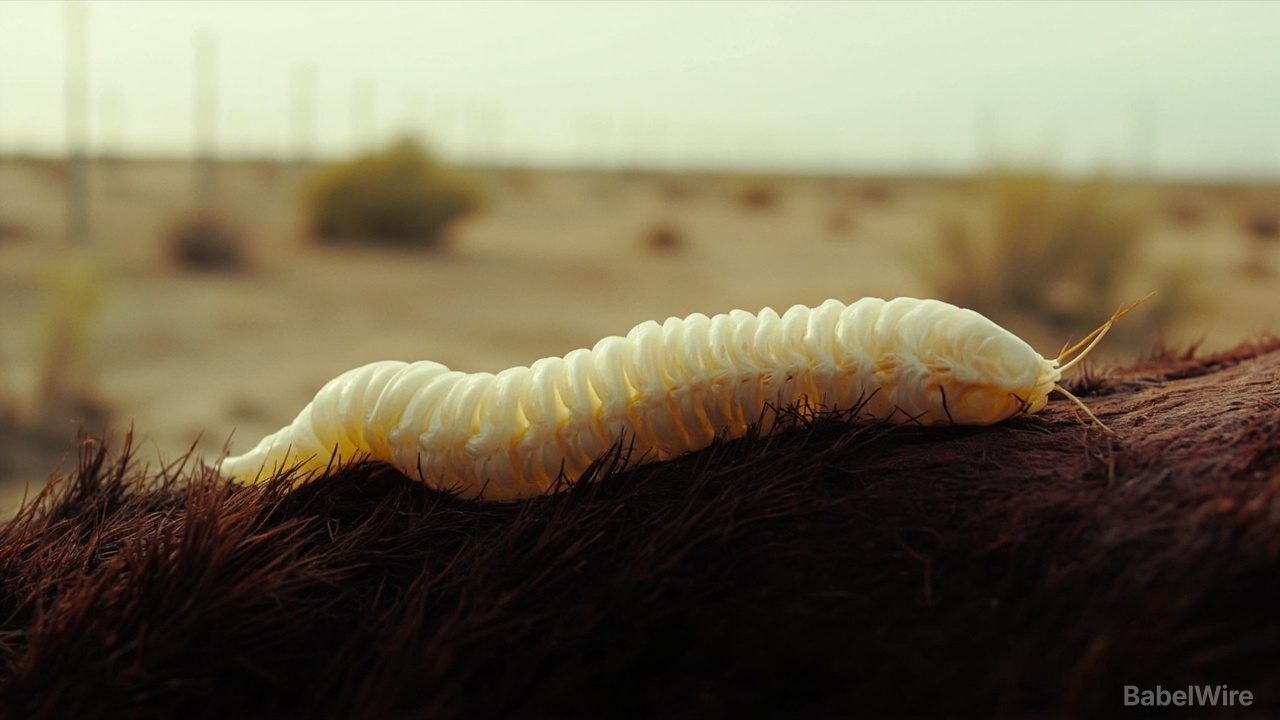
The New World screwworm fly lays hundreds of eggs in wounds and moist body openings. What hatches is a mass of voracious maggots that bore into living tissue like screws, causing severe and sometimes fatal wounds, before dropping to the ground to pupate. Livestock are the main target, but wildlife, pets and occasionally people are on the same list. This week the USDA recorded four new cases in domestic dogs — including Arizona's index case — and one domestic cat in New Mexico, bringing the pet total to ten since the flies re-emerged. A wild elk case was reported the week before.
Arizona's agriculture department described the case plainly: a local veterinarian examined the dog on October 26 and found a wound on its back that was heavily infested with maggots consistent with NWS characteristics. The USDA confirmed the infection and said it was working with the state on a joint response.
The real finding, though, is geographic. This fly was eradicated from the United States. The 1960s campaign used a method almost too elegant for an insect this brutal: release sterile males in enormous numbers, so that females mating with them produce nothing. For decades a biological barrier along the Darién Gap, on the Panama-Colombia border, kept the species out — a narrow, monitored strip that counts as one of the more successful quarantine operations in veterinary history.
That barrier was breached in 2022. The fly has been working north through Central America since, reached the US in June, and is now spreading west from the border. Mexico's Ministry of Health reports 806 confirmed human cases since the re-emergence, and nine deaths.
The collapse of an eradication that held for decades says less about the fly than about the barrier. It was a permanent investment that had to be permanently staffed and funded. Its failure was not sudden; it came from a border nobody can see getting less attention than one that can be built.
The countermeasure is the same as in the 1960s, minus the leisure: produce and drop sterile flies at industrial scale. That is where the newer work comes in. In July, field tests began on a genetically modified strain the USDA calls NovoFly, intended to make sterile-male production more efficient by reducing the need for irradiation. The logic is sound; the question is throughput. A rearing facility does not hurry because the outbreak does.
For pet owners and veterinarians, the practical instruction is unglamorous and specific: report unusual wounds. Arizona is asking for exactly that, and the Cochise County case was found that way — not by a surveillance program, but because someone looked.
What happens next is genuinely open. The US eradicated this species once; whether it can again depends on production capacity, on how far the fly ventures north as winters warm, and on the willingness to fund a border whose success is measured by nothing happening. For now the tally is simple: another state, more pets, and a parasite that does not observe jurisdiction.