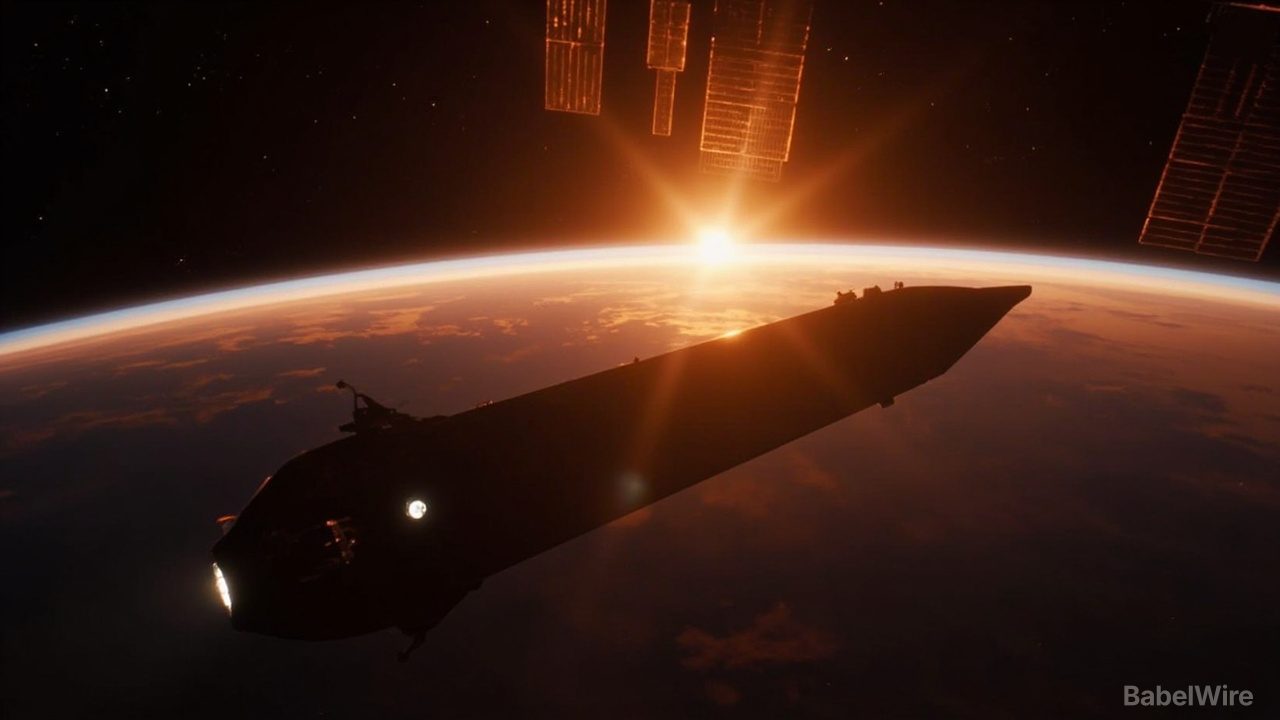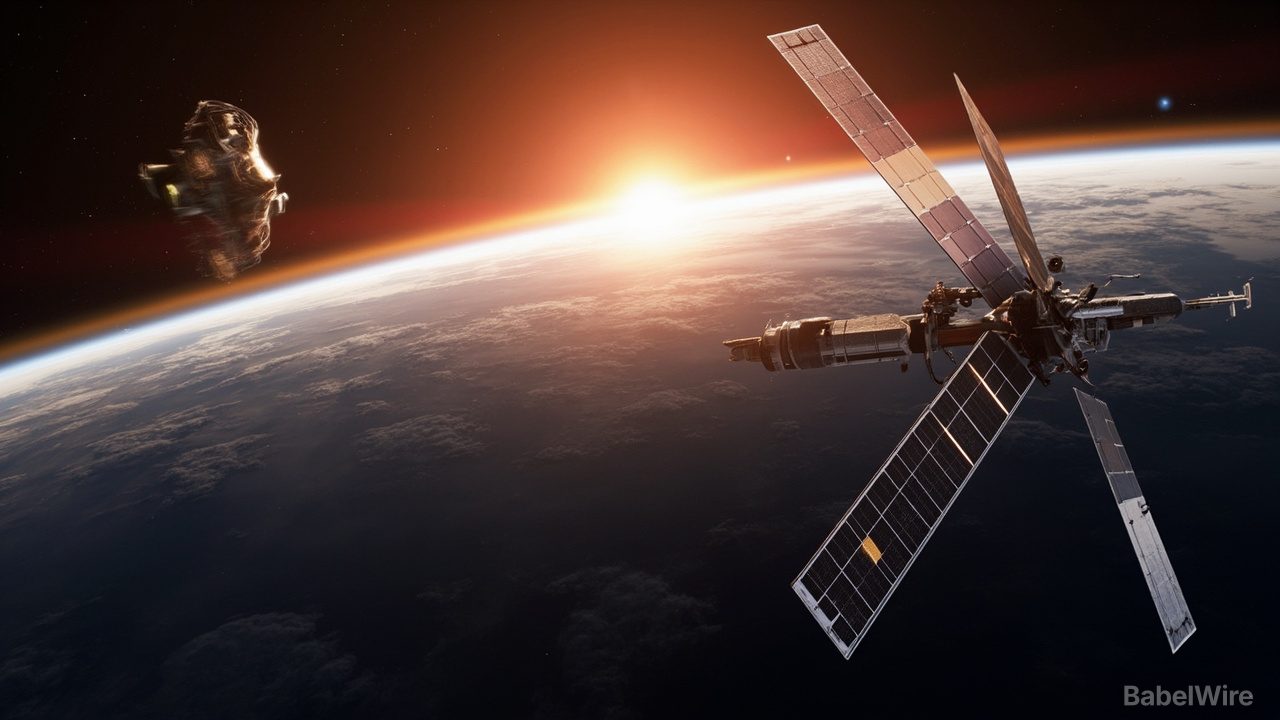
On July 3, a spacecraft called LINK launched aboard a rocket with a daring mission: rendezvous with NASA's aging Swift Observatory and push it to a higher orbit before gravity pulled it into a fiery reentry. Built by Katalyst Space in about eight months after NASA realized in 2025 that increased solar activity had swelled Earth's atmosphere and slowed Swift's orbit, the rescue was seen as a test case for saving other aging spacecraft — perhaps even the Hubble Space Telescope.
But the mission began unraveling almost immediately. Some of LINK's reaction wheels — the devices that control a spacecraft's orientation — failed soon after reaching orbit. Controllers spent weeks trying to manage the craft's spin using thrusters as a workaround, but by August 20 NASA conceded that capturing Swift is no longer feasible.
"We knew this was a high-risk, high-reward mission — a first-of-its-kind attempt, developed on an unprecedented timeline driven by the Sun's activity," said Shawn Domagal-Goldman, director of NASA's Astrophysics Division.
The loss is significant. Launched in 2004 on what was supposed to be a two-year mission, Swift evolved into one of NASA's most valuable instruments for time-domain astronomy. It was designed to detect and study gamma-ray bursts — the most energetic explosions in the cosmos — and other fast-developing high-energy events. Among its recent discoveries was a "wandering" giant black hole that revealed itself by tearing apart a nearby star.
Without the orbit boost, Swift will now likely plunge into Earth's atmosphere before the end of 2026. NASA says it will "continue to prioritize finding new options to react rapidly to cosmic events, using current missions to help fill the gap in the meantime."
The failure also raises questions about the viability of on-orbit rescue as a strategy for extending the life of critical space infrastructure — a concern that will only grow as more aging satellites face declining orbits in an era of heightened solar activity.