Amazon's self-driving unit Zoox has won the first US federal approval to commercially deploy robotaxis built without human controls, the National Highway Traffic Safety Administration (NHTSA) said on Thursday. The exemption from rules that require steering wheels and pedals allows Zoox to charge passengers for rides, starting in Las Vegas, with more markets to follow as it completes state requirements.
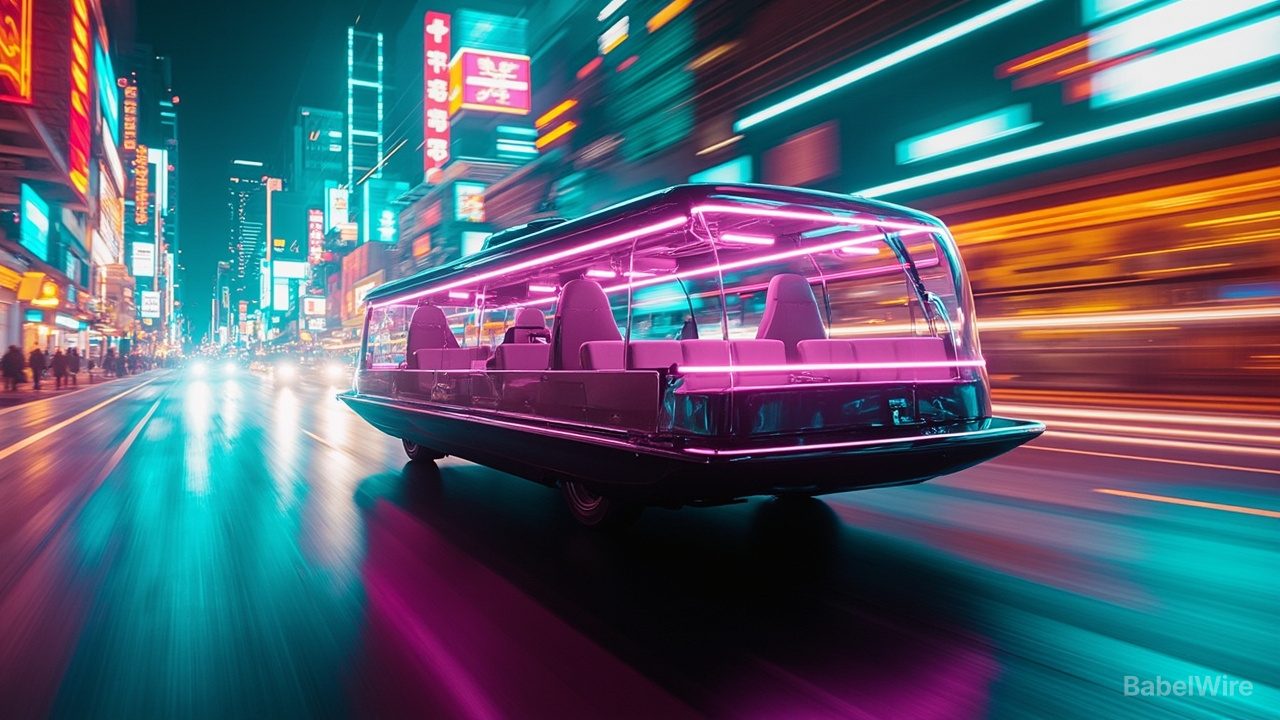
Under the two-year exemption, Zoox may deploy up to 2,500 vehicles per year. Its electric carriage-style robotaxi — with two rows of inward-facing seats and a top speed of 75 mph (120 km/h) — was designed from the ground up for autonomy, unlike systems built by modifying conventional cars. NHTSA Administrator Jonathan Morrison said the agency determined the vehicle "exceeds the equivalent performance requirements of a compliant vehicle," while imposing additional reporting requirements and reserving the right to pull the exemption if major safety issues emerge. All remote operators must be based in the United States.
The approval caps a years-long effort for Zoox and intensifies the race among Tesla — which has started producing a steering-wheel-free Cybercab but has not outlined its regulatory path — and Alphabet's Waymo. Morrison said NHTSA expects to issue the first federal safety standards for automated driving systems by the end of the Trump administration, as regulators push to update rules written long before self-driving technology existed.
Safety concerns persist: this month NHTSA told autonomous vehicle developers to "immediately focus" on fixing a "clear pattern" of driverless vehicles interfering with law enforcement and first responders, and Zoox recently recalled its fleet of 105 vehicles to update software that might not detect heavy smoke. "If we continue seeing issues, we will not hesitate to use the full extent of our enforcement authority," Morrison said.