Xbox Labs wants to use AI to bring older games to current hardware, according to a report from Golem. The idea attacks a long-standing problem of console backwards compatibility: titles written for architectures that no longer exist generally have to be re-compiled, re-tested and re-certified by hand, which is why every new console generation leaves a large part of the previous library behind.
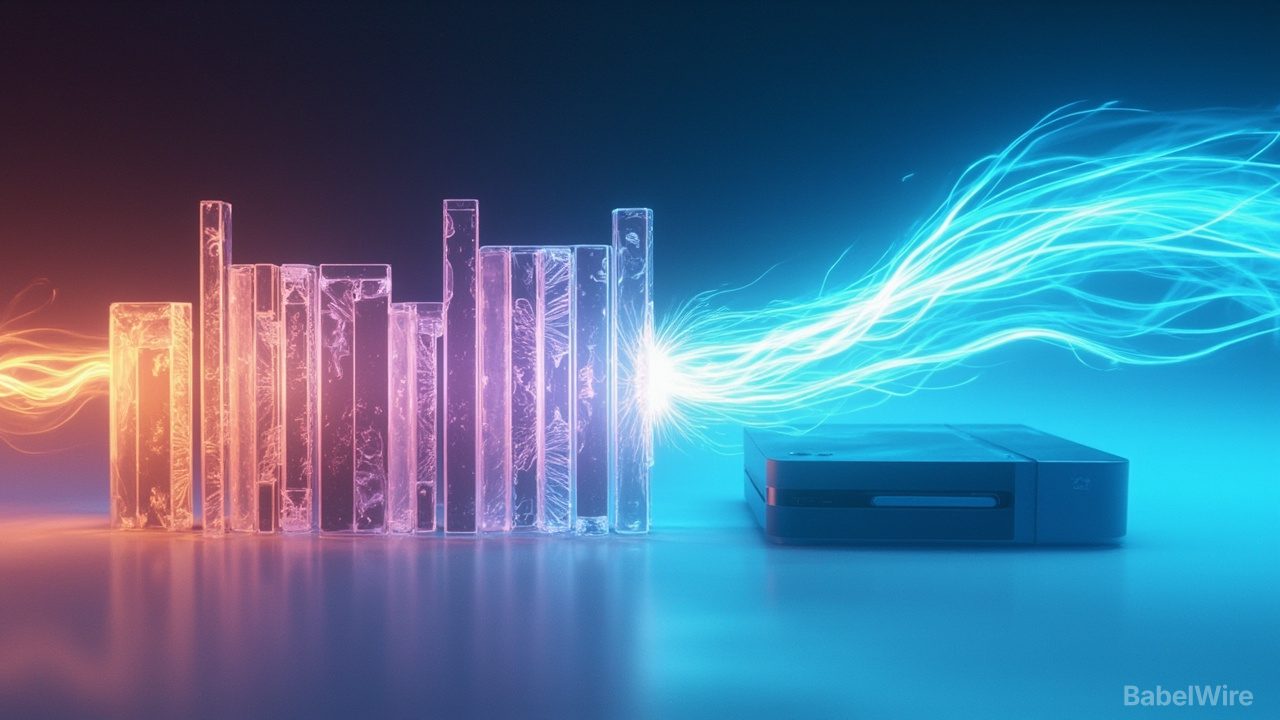
Doing that work with machine assistance could change the economics. Instead of a team of engineers coaxing one cherished title at a time onto new silicon, an AI-assisted pipeline could take the original code and produce something that runs on modern consoles and PCs — roughly the way upscaling and frame generation already stretch older rendering pipelines further than they were designed to go. Microsoft starts with an advantage here: its backwards compatibility programme on the Xbox One and Series consoles is one of the most generous in the industry. But it is also a finite, curated list, not the whole catalogue, and the titles it does not cover are precisely the long tail this approach would target.
The open questions are the interesting ones. Emulation and AI-assisted reconstruction are legally different from porting, and rights holders still control what may be sold — so a technical success does not automatically become a product. Fidelity matters too: a model that 'fills in' detail can introduce artifacts, and a reconstructed version of a game is not the original artifact that preservationists care about, even when it looks sharper on a modern screen. And there is the commercial question underneath everything: does this meaningfully raise the value of a subscription catalogue, or does it mostly revive a back catalogue the publisher already owns and has already monetised?
A Labs experiment settles none of that. But the direction is clear. The industry's biggest library problem is old games, and the industry's newest tool is AI. Expect the two to meet more often.