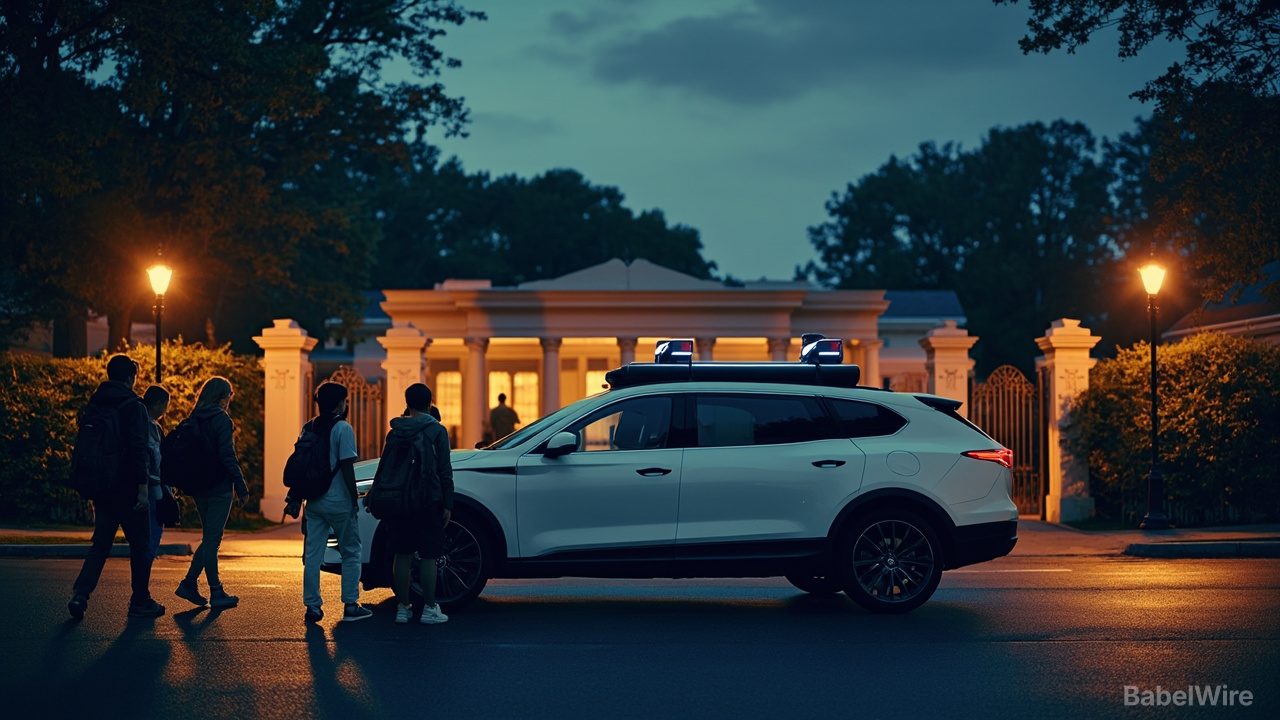
Waymo is opening a new front in its expansion: teenage passengers. TechCrunch reported on September 22 that the Alphabet-owned robotaxi company's latest growth push targets younger riders — people too young to drive, and a group ride-hailing has never served well.
The logic is demographic before it is technical. A robotaxi has no driver, so the age threshold tied to holding a licence stops being a hard limit on who can travel. Getting teenagers into the habit early also builds loyalty in the cohort that will decide whether car ownership stays the default; whoever owns the school run and the trip to a first part-time job owns decades of rides.
It is also a delicate segment. Whether minors would ride unaccompanied, what account, consent and guardian controls apply, and how a vehicle responds to a passenger in distress are all open questions. The company has already had a public taste of the issue: in September one of its robotaxis stopped itself and called police on teenage passengers found with a loaded weapon, an incident that put its policies for young riders under scrutiny.
The move lands in a crowded field. Waymo has scaled to dozens of cities and more than 200 million fully autonomous miles, but Tesla's Cybercab, Amazon's Zoox and Lyft are all pushing onto the same streets, and US regulators have been tightening rules on how autonomous vehicles interact with first responders.
What to watch: whether the teen push is a limited pilot or a national rollout, which consent rules accompany it, and whether safety regulators treat minors as a distinct class of passenger.