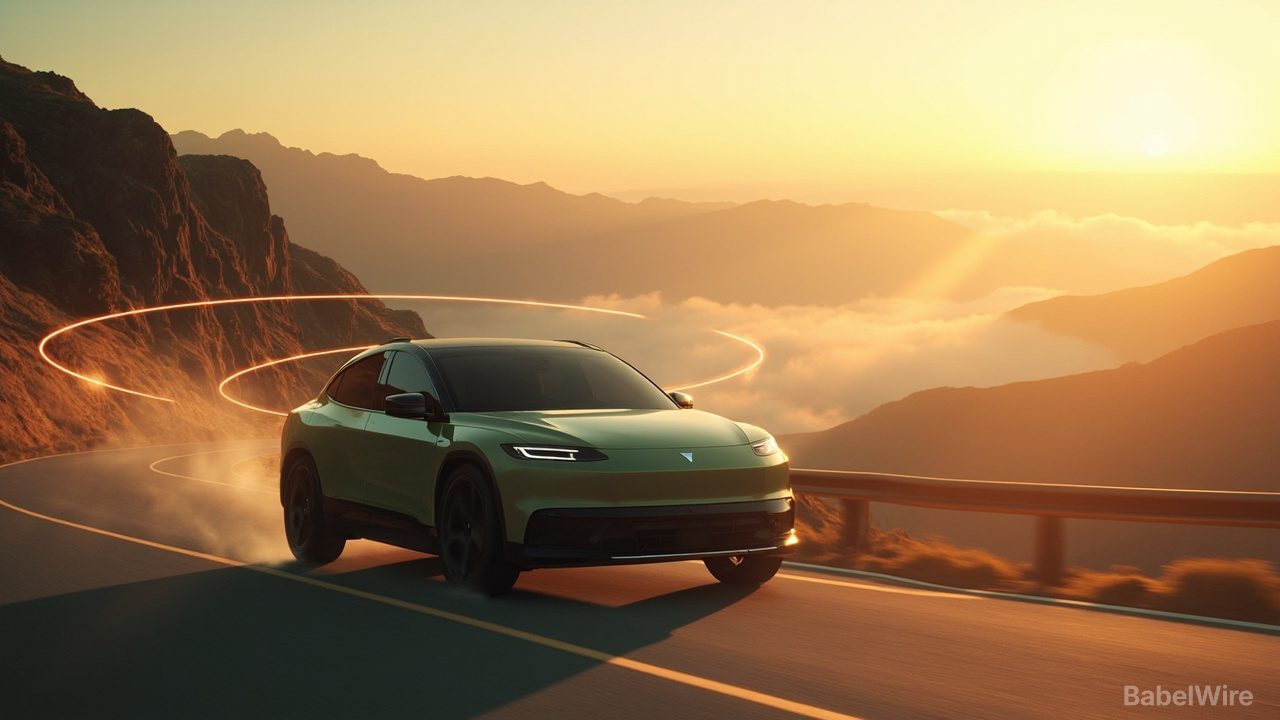
Rivian says the R2, its smaller and cheaper electric SUV, has met a climate target the company had set for 2030 — four years early. The Verge reported on September 22 that the vehicle's lifecycle carbon footprint came in at roughly half the earlier level, according to the company's own accounting.
Lifecycle analysis is the metric that matters here, because it counts emissions from mining and cell manufacturing through charging and end-of-life disposal, not just what leaves a tailpipe. Battery production dominates that footprint, so a halving implies gains from smaller packs, a cleaner cell supply chain and lower-carbon manufacturing — exactly the levers an EV maker can pull when it designs a vehicle for volume rather than prestige.
That is what the R2 is meant to be: Rivian's bid to move from premium trucks and SUVs into the mass market, where price and efficiency decide the sale. The company has been pairing up on the supply side, deploying repurposed battery storage with Redwood Materials at a US plant, while its e-bike spinoff has blamed the AI-driven chip boom for delays to its TM-B.
The caveat is the one that always applies to corporate climate claims: the number is Rivian's own, produced from its own lifecycle model. Whether an independent assessment, and the full assumptions behind it, follow is the test of how much the figure really proves.
What to watch: publication of the full lifecycle assessment, how the R2's production ramp affects the numbers at scale, and whether rivals publish comparable figures for their own mass-market EVs.