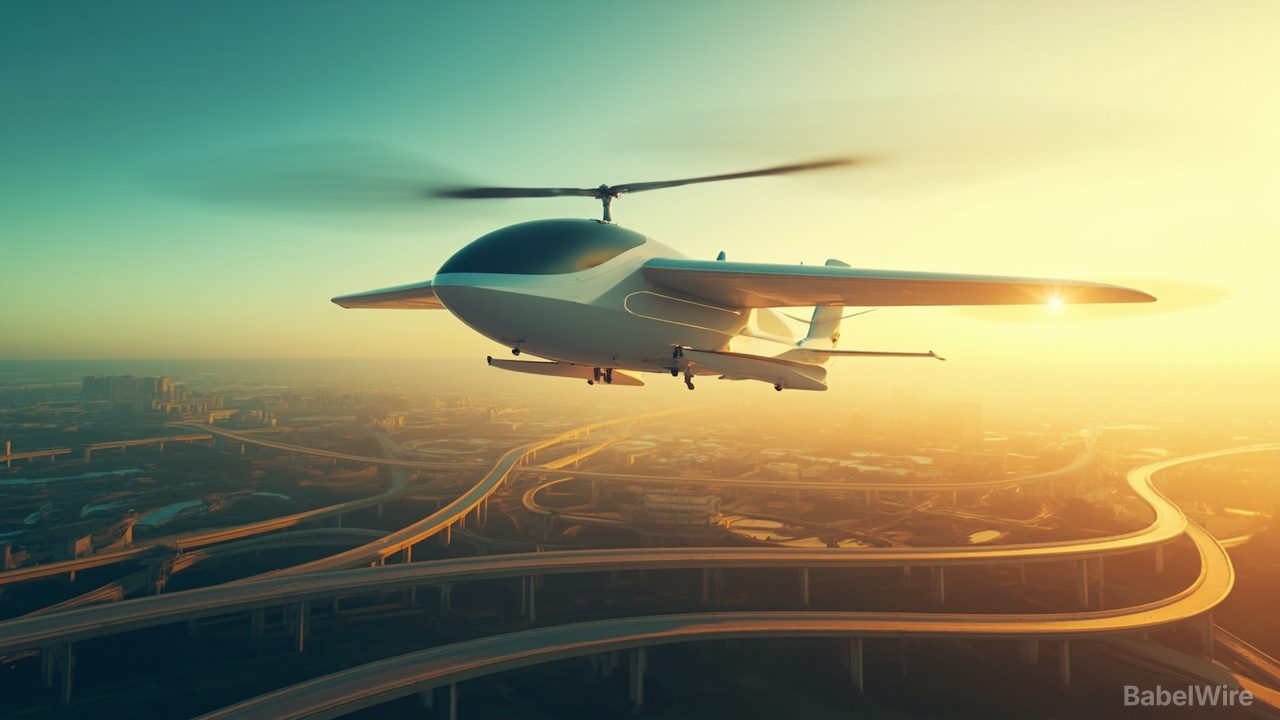
A new federal program to test the feasibility of electric, hybrid-electric and autonomous aircraft kicks off Thursday in Texas — before the rules governing the technology have even been finalized.
The FAA's Advanced Air Mobility and Electric Vertical Takeoff and Landing (eVTOL) Integration Pilot Program (eIPP) selected eight state-led projects as some of the first public tests of these aircraft. The first, in Texas, features three eVTOL companies: Joby, Beta and Wisk. For the next week they will fly demonstrations of future routes between cities and regional airports, including Dallas Fort Worth International. No passengers will be aboard; regulators are chiefly interested in how the state's air traffic control system absorbs the extra traffic.
For the companies, the stakes are type certification — the approval required before carrying passengers commercially in the US. That can take years, which is why the White House created the pilot program to let firms demonstrate their technology before the regulatory process concludes. Data collected will also be used to "develop new regulations that safely enable this futuristic technology at scale," the White House has said.
"I'm incredibly excited by the potential for vertical lift in Texas, a state with the infrastructure, expertise, and partnerships to help lead the next era of American aviation," Joby founder and CEO JoeBen Bevirt said in a statement.
Texas has been laying groundwork for months: TxDOT was selected for the program in March and plans a phased build-out over three years, starting with crewed conventional aircraft like helicopters and fixed-wing planes to validate routes, moving to medical and cargo logistics — organs and critical supplies between rural facilities and urban medical centers — and only then to air-taxi passenger flights across the Texas Triangle of Dallas/Fort Worth, Austin, San Antonio and Houston. Additional tests are planned in New York, Utah, Pennsylvania, Louisiana, Florida, North Carolina and New Mexico.
Friction is likely. Joby and rival Archer are suing each other over stolen trade secrets and corporate espionage, and technical limits — battery weight, sensor choices — could slow the rollout.