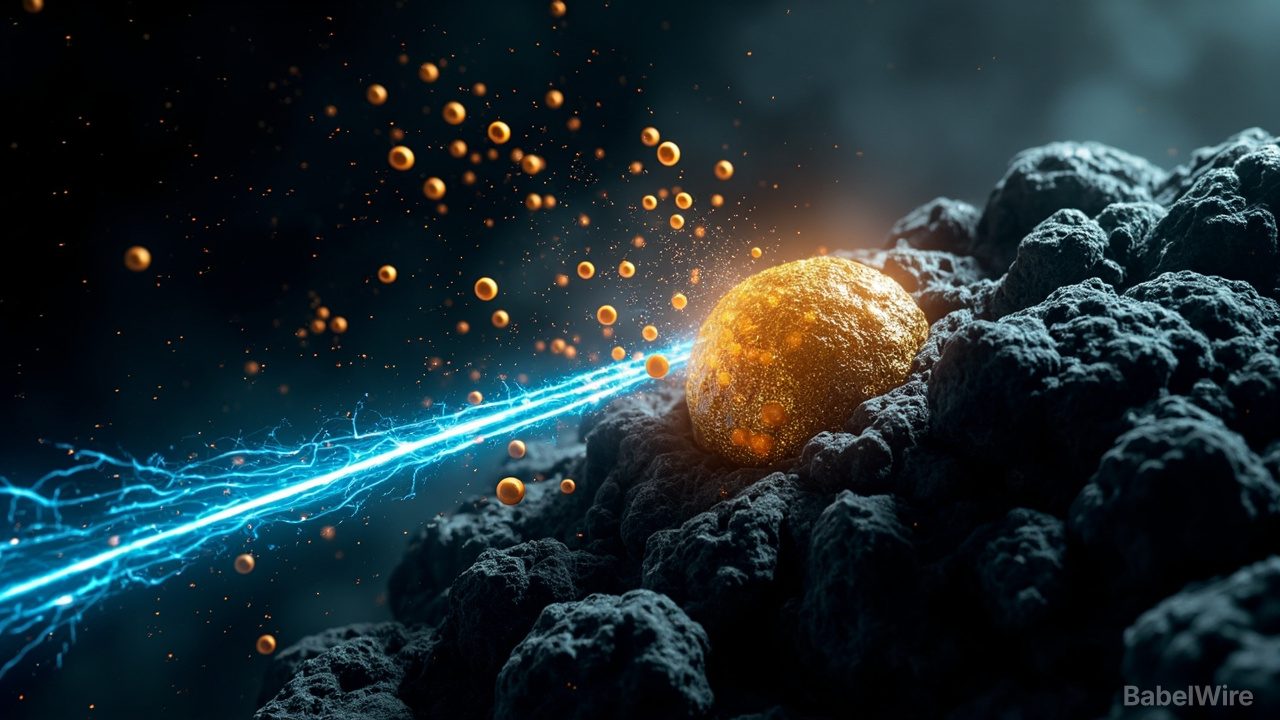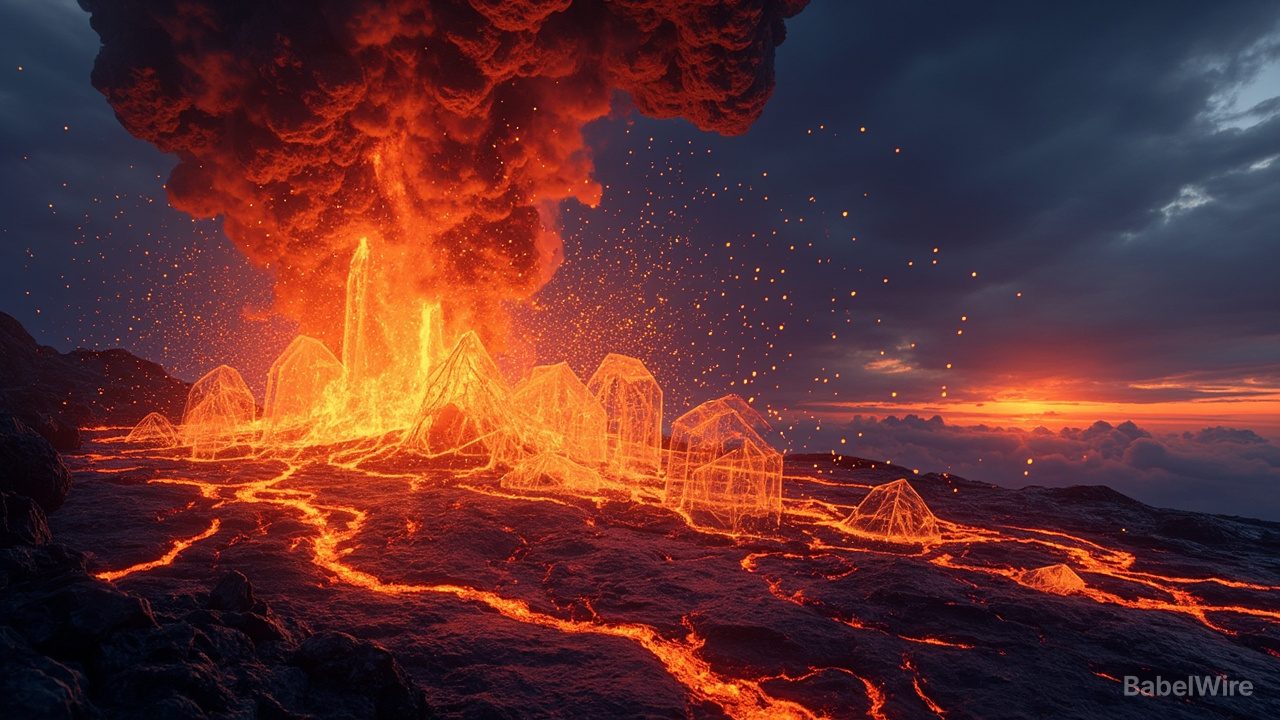
Scientists have identified a heat-driven process inside magma that could explain why volcanoes with similar characteristics sometimes erupt in very different ways. An international team led by the University of Manchester analyzed magma from the 2021 Tajogaite eruption on La Palma, Spain, and found that "superheating" can dissolve the tiny existing crystals that normally act as seeds for new crystal growth — keeping the rising molten rock fluid far longer.
In experiments, magma that was not superheated began forming crystals after about 20 minutes, while strongly superheated magma stayed crystal-free for more than eight hours. Computer models of magma ascent suggest that long-delayed crystallization keeps magma fluid, allowing it to rise quickly and power dramatic lava fountains; early crystallization makes magma viscous, lets gases escape and favors gentler eruptions. The team, which watched crystals form in real time using synchrotron X-ray microtomography at the Diamond Light Source, says pre-eruptive thermal history should now play a role in volcanic hazard assessment. The study is published in Nature Communications.