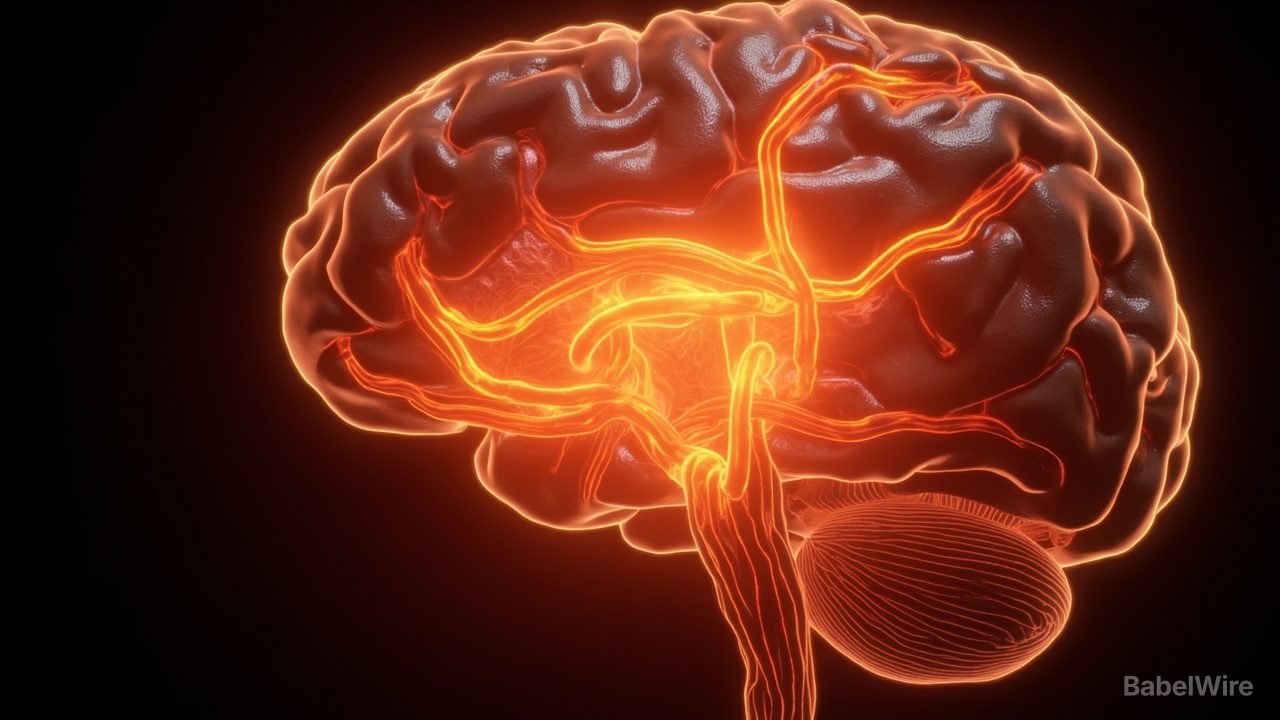
A Paradigm Shift in Stroke Medicine
For decades, doctors believed that lacunar ischemic stroke — which accounts for about 25% of all ischemic strokes — was caused by the same mechanism as other strokes: fatty plaque building up inside arteries and blocking blood flow. The standard prevention was aspirin and other antiplatelet drugs.
New research from the University of Edinburgh and the UK Dementia Research Institute suggests that assumption has been wrong.
The Real Culprit: Enlarged Brain Arteries
Published in the journal Circulation, the study examined 229 people who had experienced either a lacunar stroke or a mild non-lacunar stroke. Using MRI scans immediately after the stroke and again one year later, researchers compared two types of vascular changes: fatty narrowing of larger arteries (atherosclerosis) and the widening and elongation of arteries within the brain (dolichoectasia).
The results were striking. Narrowing of large arteries showed no association with lacunar stroke or small vessel disease. But artery widening was strongly linked — patients with enlarged arteries were more than four times more likely to have experienced a lacunar stroke.
More than one in four participants developed new 'silent' strokes during the study year, even while receiving standard preventive treatments.
Why Aspirin Often Fails
Lead researcher Professor Joanna Wardlaw of the University of Edinburgh explained: "This study provides strong evidence that lacunar stroke is not caused by fatty blockage of larger arteries, but by disease of the small vessels within the brain itself. Recognising this distinction is crucial, because it explains why conventional treatments like antiplatelet drugs are not as effective."
The finding suggests that the medical community has been targeting the wrong mechanism for prevention.
New Treatments on the Horizon
The research is already guiding new therapeutic approaches. The LACunar Intervention Trial 3 (LACI-3) is testing drugs like cilostazol and isosorbide mononitrate — medications designed to protect and support the brain's smallest blood vessels directly, rather than targeting plaque.
Lacunar stroke is a major cause of disability worldwide and is linked to cognitive decline, dementia, and increased risk of future strokes. For the millions of patients who have experienced limited benefit from standard treatments, this new understanding offers a path toward more effective, targeted therapies.