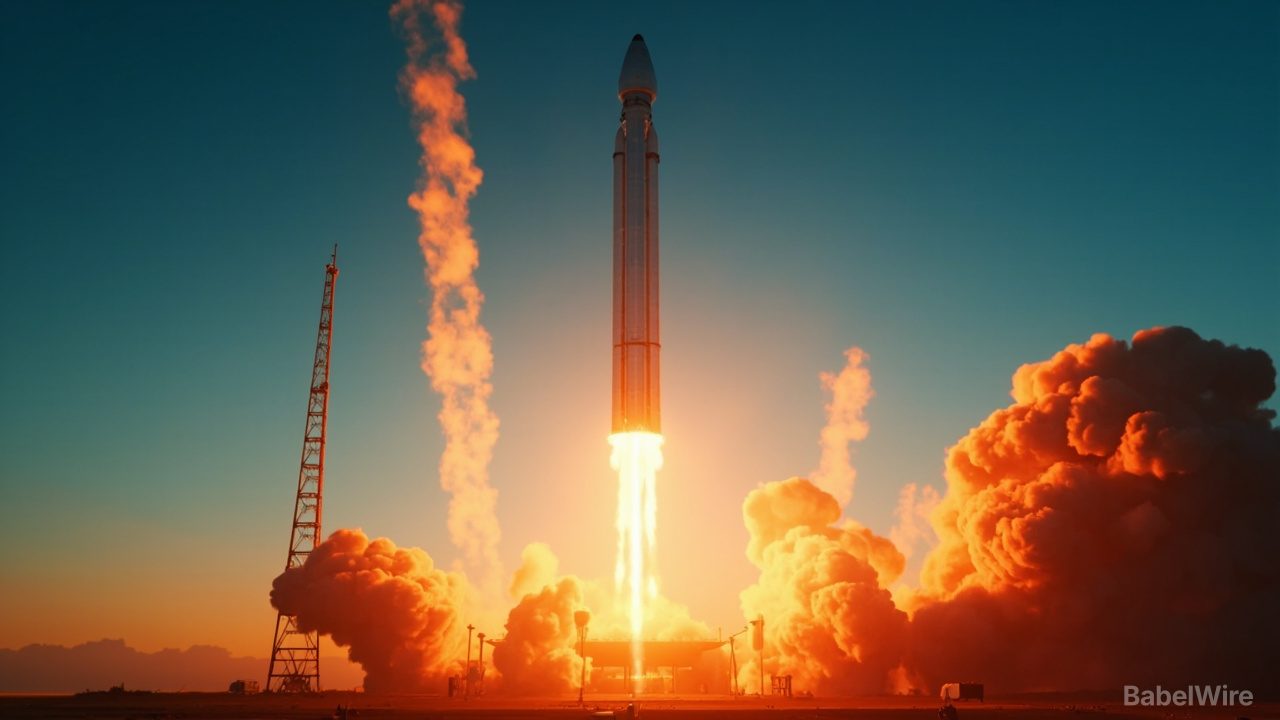
SpaceX's next Starship test flight could be its most ambitious yet — and the company wants to attempt it before August is out.
Speaking on Aug. 4 during SpaceX's first-ever quarterly earnings call since its historic June IPO, CEO Elon Musk said the 14th flight of the megarocket is tentatively scheduled for the end of the month, pending regulatory approval. "Assuming we receive regulatory approval to do so, we will attempt to catch the Ship with the tower on the next flight," Musk said.
A tower catch would be a first: SpaceX has caught the Super Heavy booster with its "chopstick" arms on three flights, but never the 171-foot-tall upper stage, known as the Ship. Flight 14 would also mark the first time Starship places payloads into operational orbit — a batch of V3 Starlink satellites — rather than the suborbital paths of previous test flights.
The confidence comes from Flight 13, which lifted off on July 24. The Ship survived reentry with its heat shield in great shape and splashed down intact in the Indian Ocean. "I don't want to jinx it or anything, but I think I'd consider the heat shield problem solved at this point," Musk said.
The earnings call itself was a milestone for the newly public company. SpaceX reported $7.8 billion in revenue for the March–June quarter, up 92% year over year, with more than half coming from Starlink, and narrowed its net loss to $541 million from $1.0 billion a year earlier.
Musk also sketched an audacious future: a fleet capable of "at least one flight a day, possibly more" within a year, and the Starmind constellation — up to one million AI data centers in orbit, with operational launches starting in 2027. SpaceX says its long-term addressable market is $28.5 trillion a year, most of it in "enterprise AI applications." Whether or not those projections hold, the next few weeks will show whether Starship's first orbital flight and first Ship catch arrive in the same window — and how well the biggest rocket in history handles both.