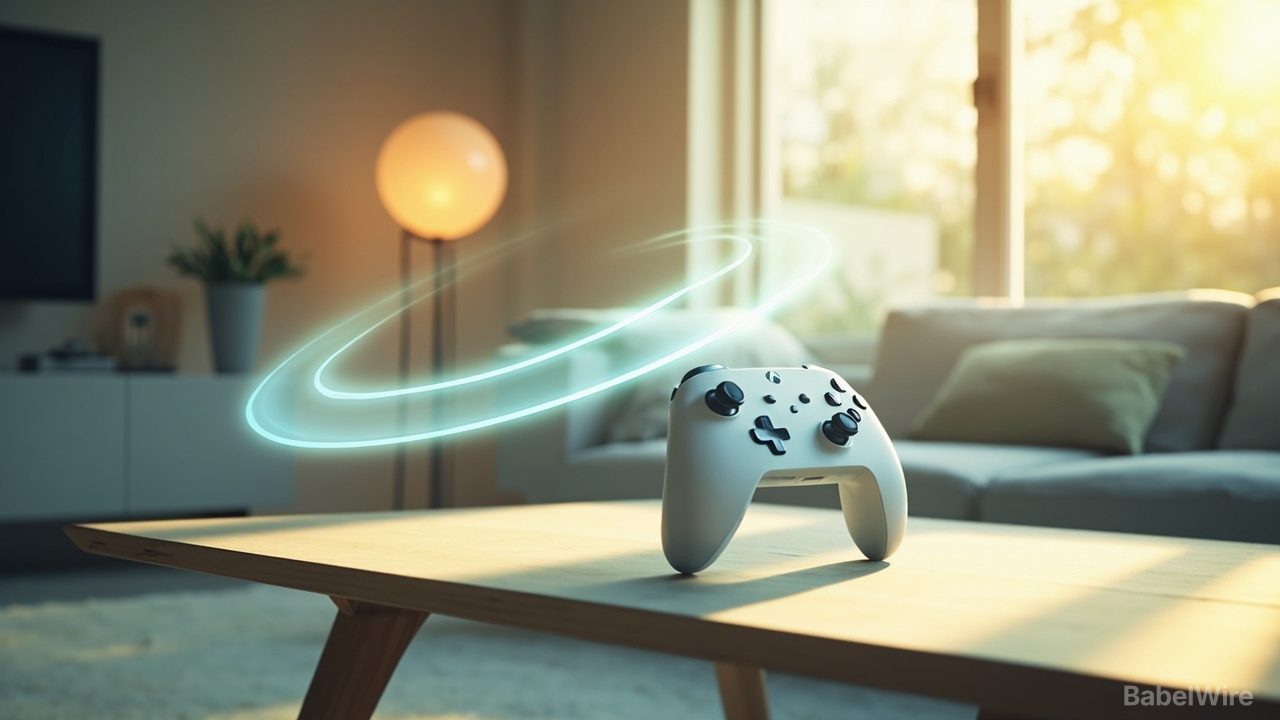
The Wii turns 20 today. Nintendo's little white console, which put motion controls into living rooms that had never owned a GameCube, went on sale in the United States on November 19, 2006 — and proceeded to outsell the PlayStation 3 and Xbox 360 across what had become the most expensive console generation to date.
That was not the plan anyone expected. Sony and Microsoft were marching toward HD graphics and ever-larger budgets; Nintendo instead shipped modest hardware, a cheap controller with an accelerometer, and Wii Sports in the box. The pitch was that anyone could swing a tennis racket without reading a manual, and a generation of grandparents, office workers and lapsed gamers proved it right.
The strategy — later formalized as "blue ocean" — became a template: win on play, not on specs. It also left a mixed legacy. The motion-control fad thinned out within a few years, but the idea that a console can be a social, physical object never fully left Nintendo, from Wii Fit to the Switch's detachable Joy-Cons.
Two decades on, the Wii's real lesson looks less like motion controls and more like this: an underserved audience, addressed with hardware that feels like a toy, beats the fastest machine on the shelf.