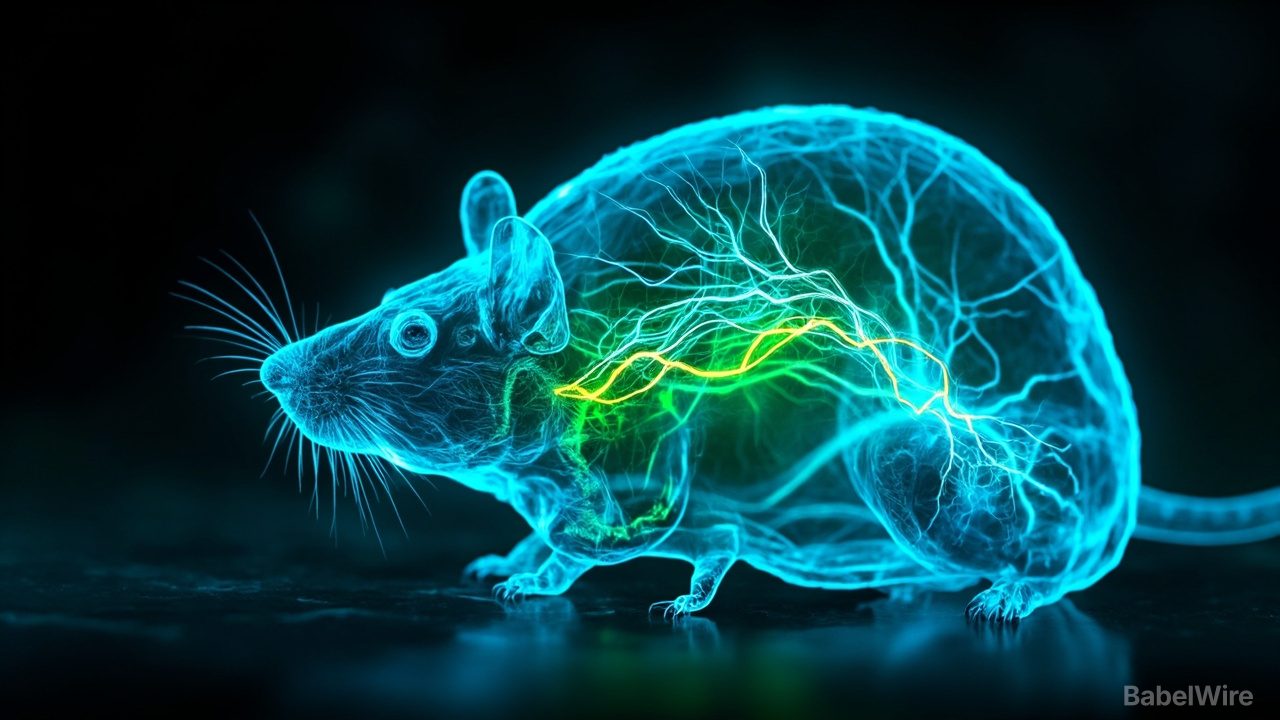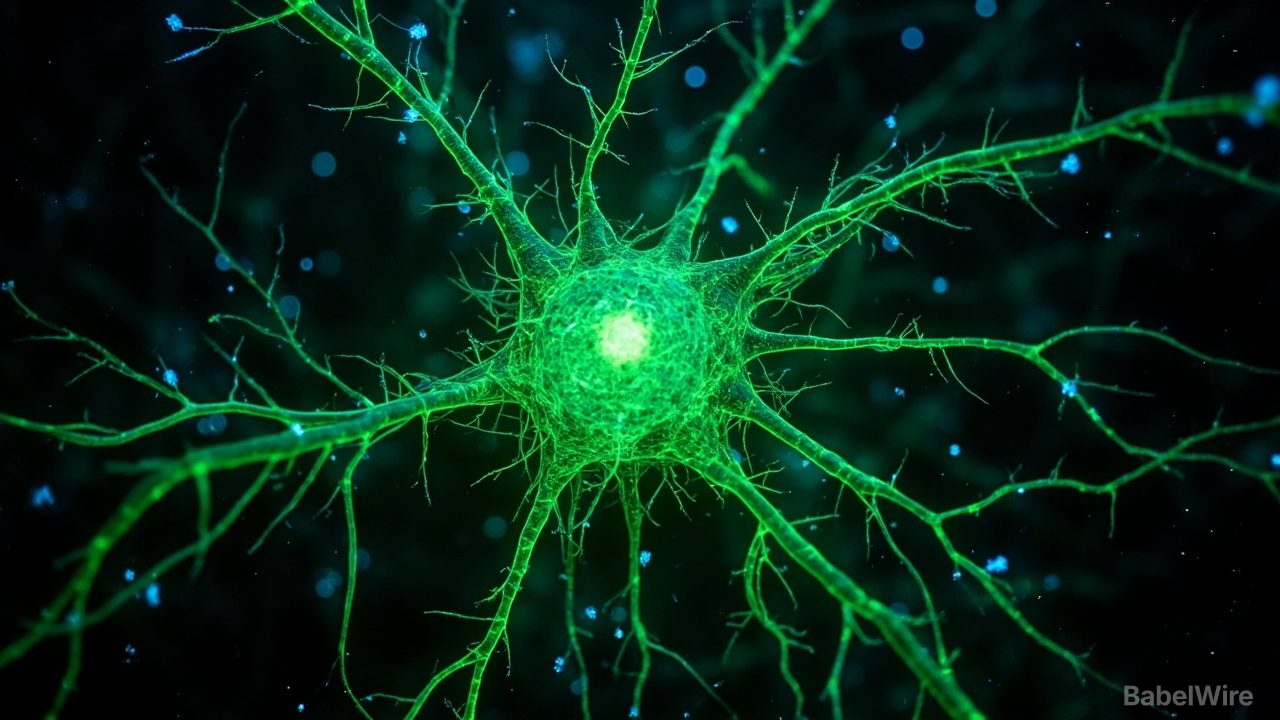
Some immune cells don't kill — they detonate. Stanford researchers have identified a previously unknown cell type in planarian flatworms that explodes within minutes, destroying everything around it and leaving virtually no trace.
Named 'ruptoblasts' and described in a study published in Cell, the cells respond to the hormone activin by bursting open, releasing substances that kill nearby cells — then disappearing within about five minutes. 'We never expected that a cell could just explode like a bomb and kill the cells surrounding it,' said senior author Bo Wang, associate professor of bioengineering at Stanford.
The discovery emerged from experiments fusing tissue from different flatworms, which rejected each other like a transplanted organ. Postdoctoral researcher Chew Chai traced the response: rising activin triggered chronic inflammation, and live-cell microscopy revealed a small group of cells suddenly bursting open. The team named the process 'ruptosis'. Unlike other explosive forms of cell death, which unfold over hours as pores slowly leak, ruptosis happens in seconds to minutes.
The blast radius is tightly controlled: ruptoblasts destroyed E. coli, human kidney cells and mouse blood cells in tests, but the damage stayed local — no chain reaction, no lasting toxicity. Because flatworms are packed with regenerative stem cells, they can repair the collateral damage; vertebrates, the researchers argue, likely could not.
The cells are glandular rather than blood-derived like T cells or neutrophils, and they appear only in basal bilaterians such as flatworms, suggesting an ancient strategy — an immune weapon from the dawn of animal evolution that vertebrates lost. The researchers say the fast, localized attack could inspire new approaches to targeted therapies against infections and tumors.