NASA has released the most detailed images yet of a fresh crater on the Moon, created when a spent SpaceX Falcon 9 upper stage collided with the lunar surface at approximately 5,400 miles per hour on August 5, 2026.
The Lunar Reconnaissance Orbiter (LRO), which circles the Moon from pole to pole every two hours, captured the images between August 11 and 12 after engineers tilted the spacecraft so its narrow-angle camera could point toward the impact site during each pass roughly 60 miles above the surface.
"To capture imagery of the impact, engineers tilted the spacecraft so its cameras would point toward the crater each time LRO passed about 60 miles above the Moon, traveling 1 mile per second," NASA said in a news release. It took six days for the LRO's orbital path to align with the impact site, with additional time needed to process the imagery.
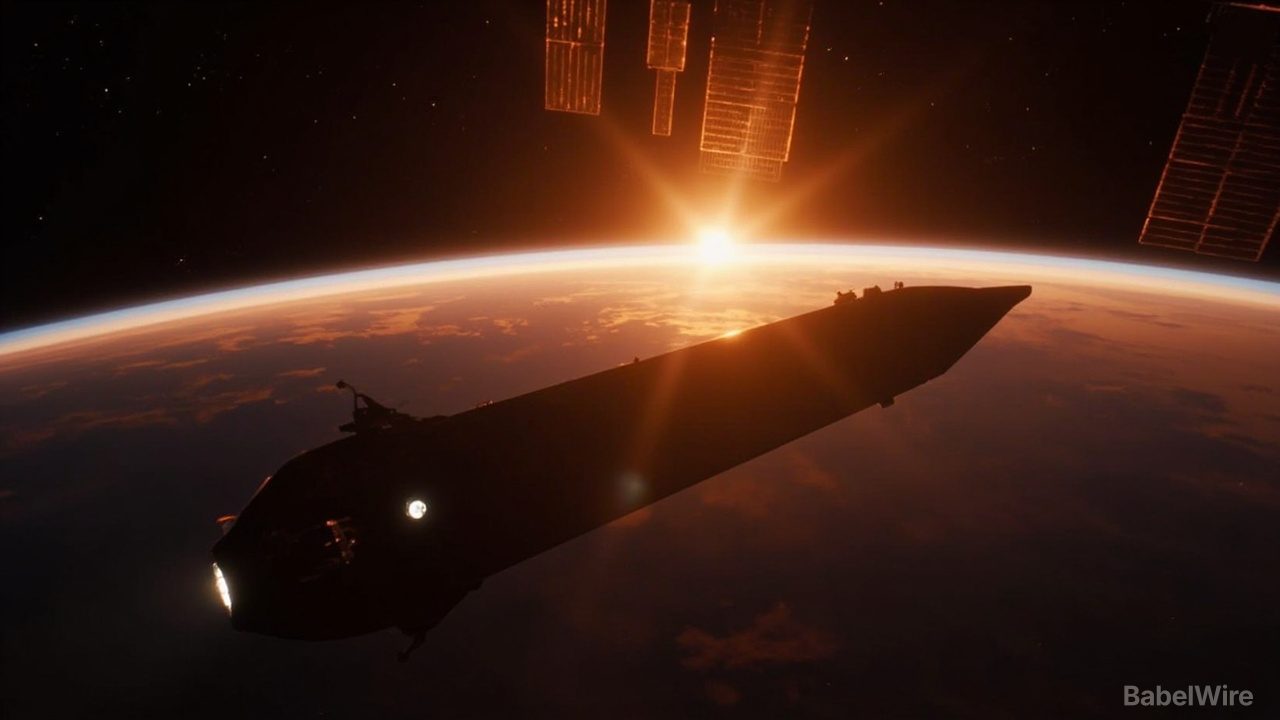
The collision involved the upper stage of a Falcon 9 rocket that originally launched on January 15, 2025, carrying two commercial lunar landers. After the mission was complete, SpaceX intentionally discarded the upper stage in space — but orbital dynamics eventually pushed the debris onto a collision course with the Moon.
The European Southern Observatory's Very Large Telescope in Chile was among the first to detect the impact, and Korea's Danuri lunar orbiter shared preliminary images shortly after. NASA then used Danuri's data to guide its own imaging campaign.
NASA lunar scientist Kelsey Young emphasized that the collision posed no threat to anyone on Earth or to the lunar surface. "The moon is always being hit by things: meteors, asteroids, comets," she said, noting that scientists are using observations of the event to learn more about the Moon's surface composition and to prepare for shielding astronauts and future infrastructure.
The impact required extreme precision to image. Even a 10-second delay in capturing a photograph could have caused the crater to drift as much as 10 miles out of frame, given the orbiter's velocity of one mile per second.