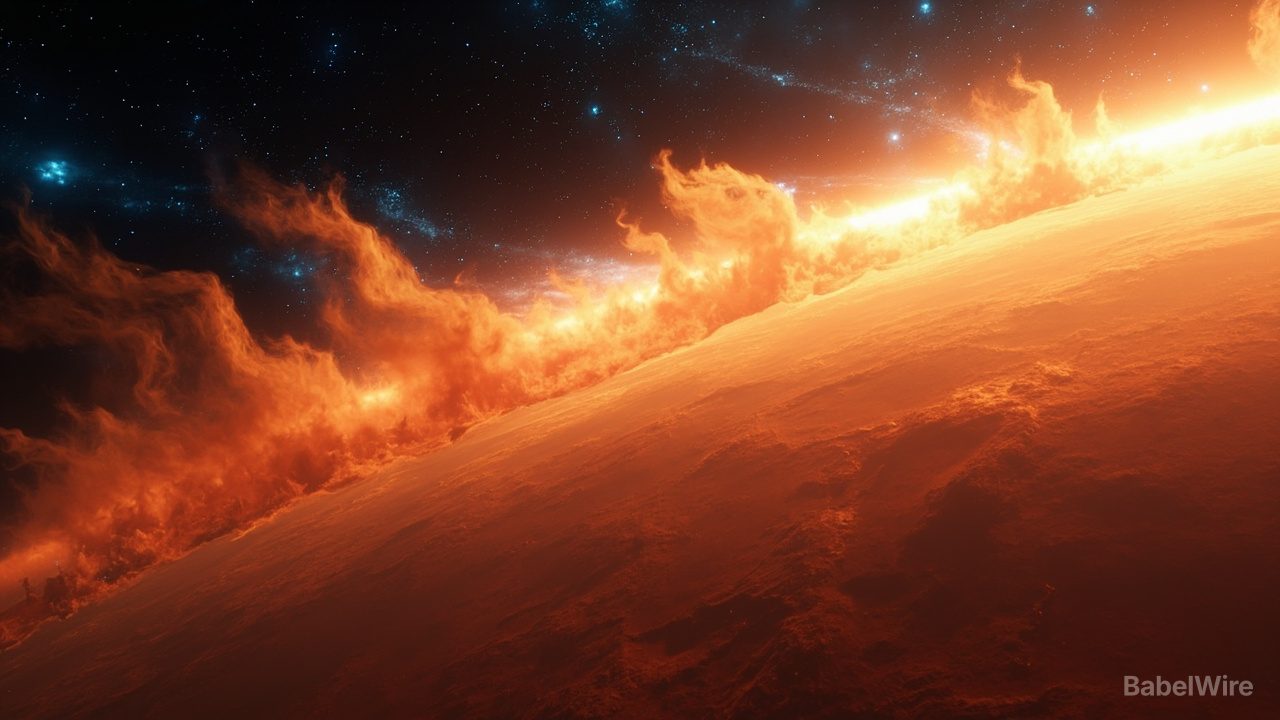
The solar wind is stripping Mars' atmosphere in a more dramatic way than previously appreciated: it stirs the planet's upper atmosphere like wind over water, launching large clouds of plasma into space. A Boston University-led study published in Science Advances shows that this 'bulk escape' driven by Kelvin–Helmholtz waves is a key channel of the planet's long-term atmospheric loss.
Mars lacks a strong global magnetic field, so the solar wind — a constant stream of charged particles from the Sun — interacts directly with its upper atmosphere. Atmospheric ion escape driven by the solar wind is one of the key processes controlling the long-term evolution of the Martian atmosphere, and is widely believed to have helped transform Mars from a warm, wet world into the cold desert we see today.
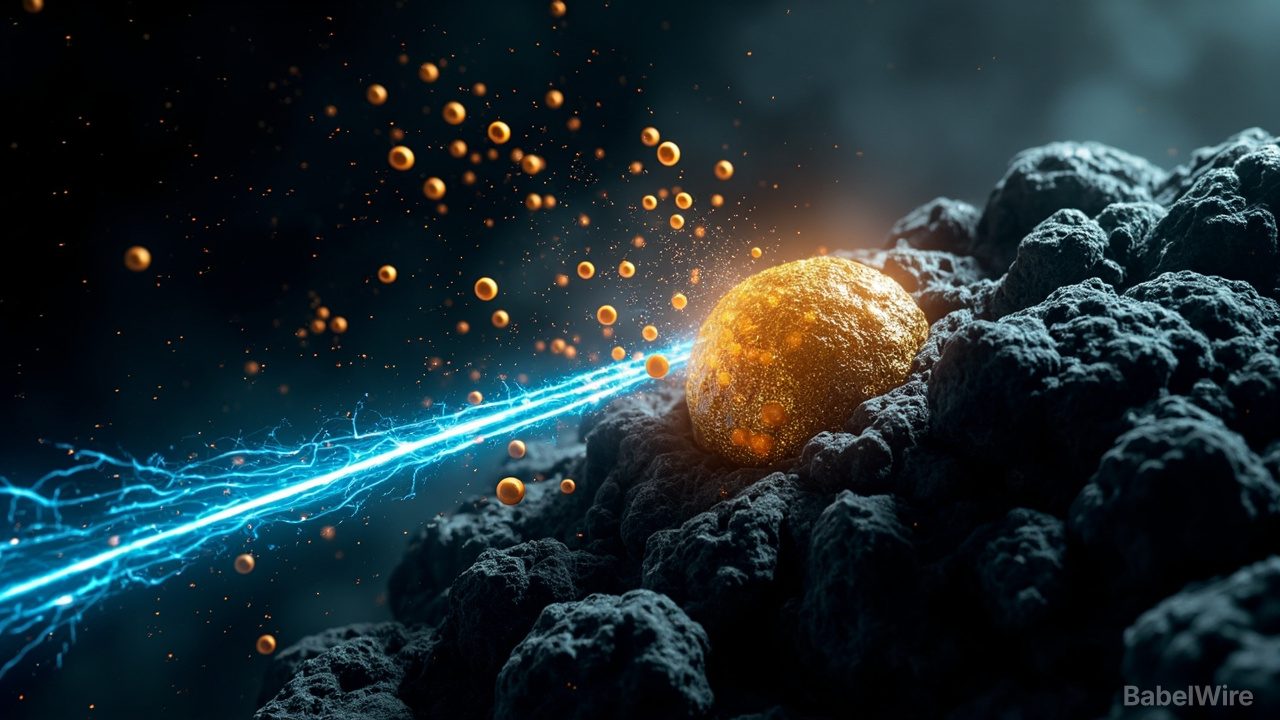
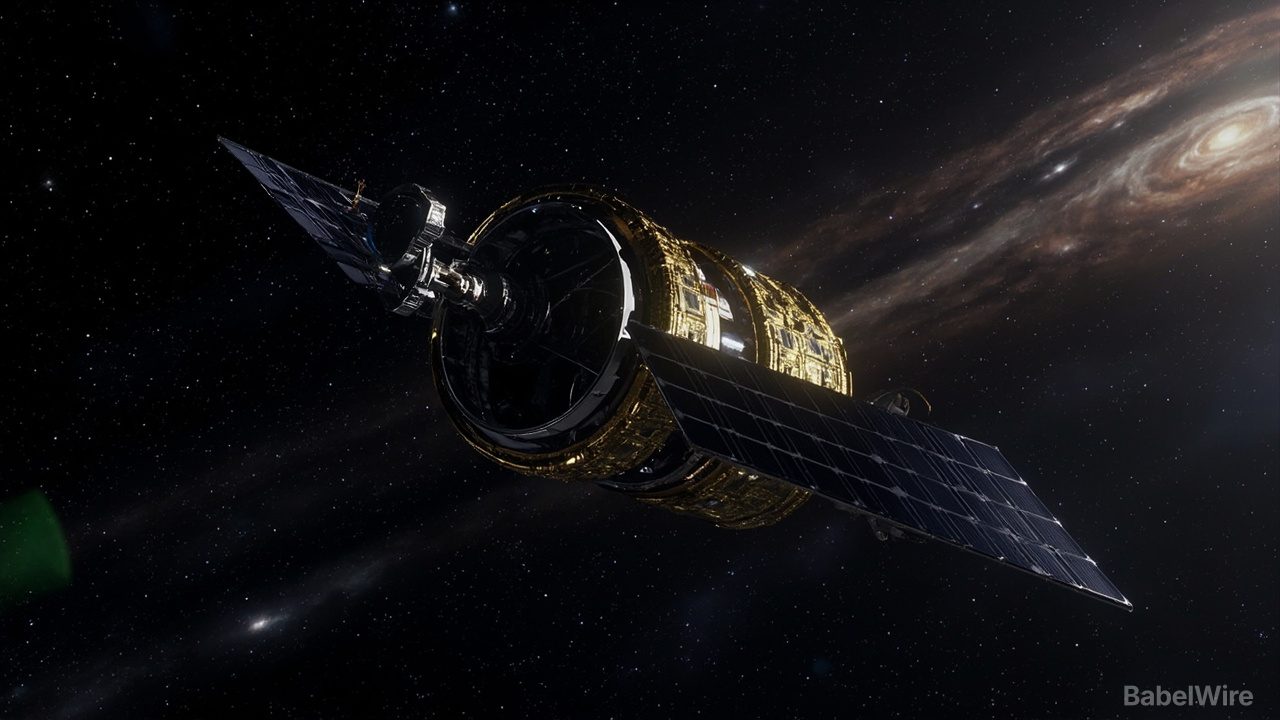
Using simultaneous observations from Mars orbiters and real-time upstream solar wind conditions, the team identified Kelvin–Helmholtz waves — the same instability seen when wind blows across water — developing at the boundary between the solar wind and the planet's upper atmosphere. These waves grow into large plasma structures that can detach and carry atmospheric ions away in clumps, a mechanism the researchers call 'bulk escape.' Rather than ions trickling away one by one, the stirring can eject them in massive packages.
"Large clouds of plasma in Mars' upper atmosphere facilitate bulk escape of atmospheric ions," the researchers explained, noting that although several mechanisms contribute to ion loss, this wave-driven channel has been underappreciated in models. Capturing these transient structures required comparing the real-time state of the incoming solar wind with what the orbiters measured at the planet.
The findings sharpen estimates of how quickly ancient Mars lost its atmosphere — and therefore its surface water — and improve the models used to reconstruct the planet's climate history. Understanding exactly how the solar wind erodes Mars also informs how we interpret the modern atmosphere, and helps prepare for future crewed missions that will rely on the thin Martian air for resources.