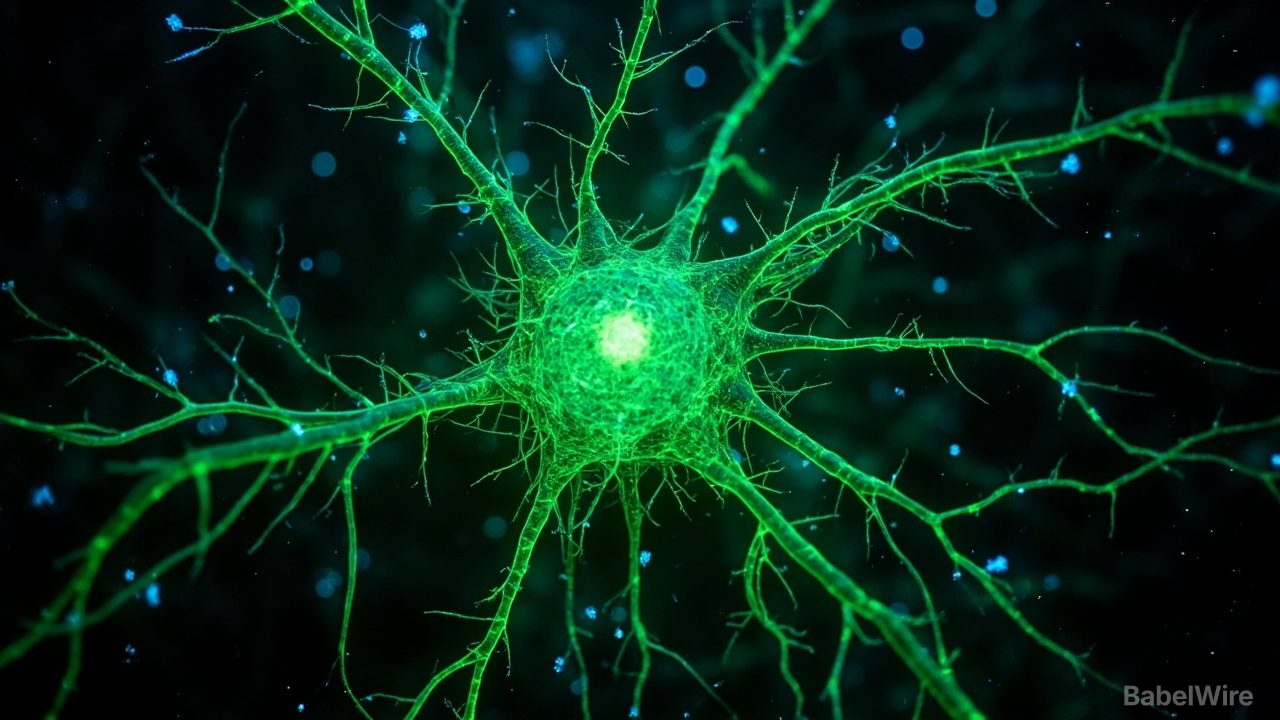
A severe stroke can leave behind more than damaged brain cells — in the worst cases, a fluid-filled cavity where living tissue once carried signals and controlled movement. Duke University researchers have now tested an injectable material designed to turn that biological void into a place where repair can begin.
The treatment, tested in mice, drew immune cells into the stroke cavity and organized them into a coordinated healing response. New blood vessels spread through the injured area, nerve fibers became more abundant, and the animals regained motor abilities that approached those of healthy mice. The results were published in Cell Biomaterials.
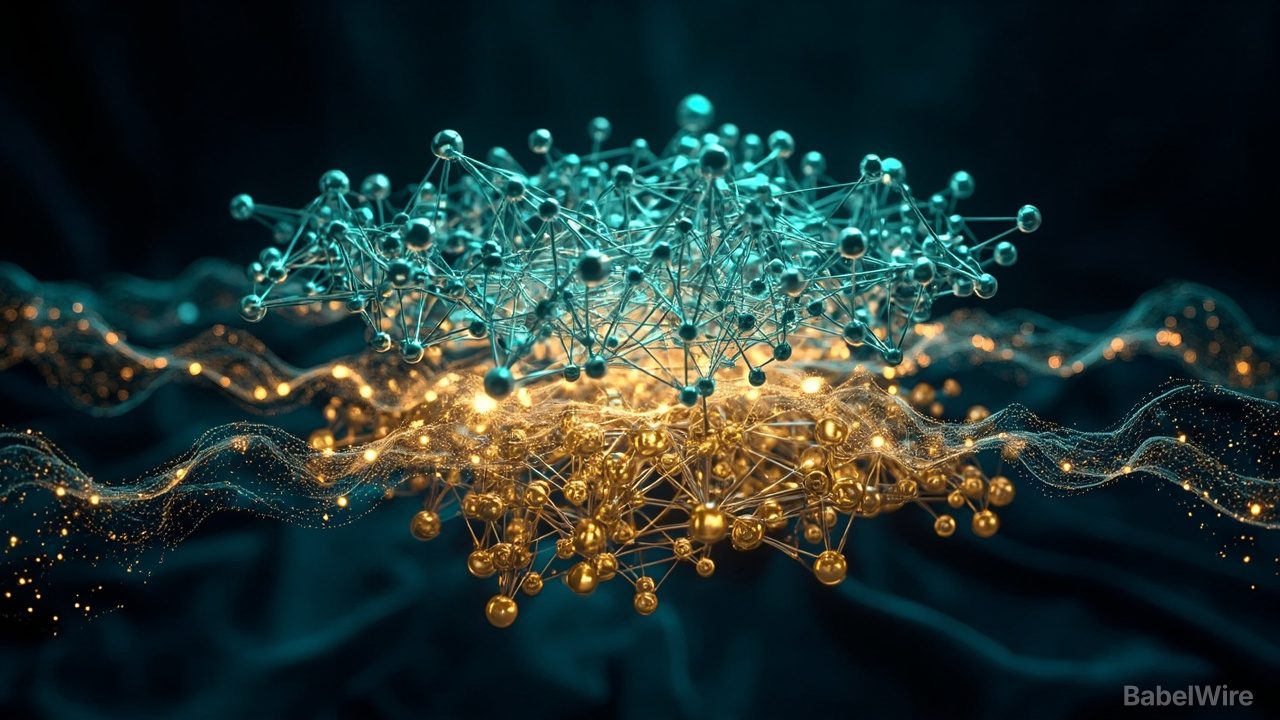
The material is based on MAPS — microporous annealed particle scaffolds — assembled from tiny hydrogel particles that connect after delivery while leaving open spaces between cells. Rather than trying to manufacture replacement brain tissue, the team chemically attached astrocyte-derived extracellular vesicles (EVs) — nanoscale packages that transport proteins and genetic material between cells — to the scaffold, turning it into a localized signaling hub.
The strongest results came from EVs produced after astrocytes were exposed to IL-4 and C1q. The combination attracted macrophages and a surprisingly persistent population of neutrophils into the cavity. Neutrophils are usually associated with inflammation and tissue damage after stroke, but when the researchers depleted the cell population rich in them, blood vessel formation dropped sharply — evidence that inside the engineered scaffold, they were helping drive repair.
The biological changes translated into movement. In a grid-walking test, mice treated with the optimized scaffold made fewer paw-placement errors over time; by eight weeks, their performance could not be statistically distinguished from that of healthy controls. The scaffold itself proved essential — delivering the vesicles without it produced no comparable blood vessel growth.
The team injected the material five days after the stroke, testing it as a repair strategy rather than an emergency treatment. Segura's laboratory is now exploring astrocytes made from human induced pluripotent stem cells, which could offer a more scalable and clinically relevant source of EVs. "You do not restore an ecosystem simply by containing the initial damage," said Tatiana Segura, the study's senior author. "You have to create the conditions that allow life to return."
Sources
- scitechdaily.comSciTechDaily: New Stroke Treatment Turns Brain Cavities Into Repair Hubs
- medicalxpress.comMedical Xpress: Injectable biomaterial harnesses the immune system to promote brain repair after stroke
- doi.orgCell Biomaterials: IL-4/C1q activated astrocyte-derived extracellular vesicles promote stroke infarct recovery by recruiting peripheral leukocytes