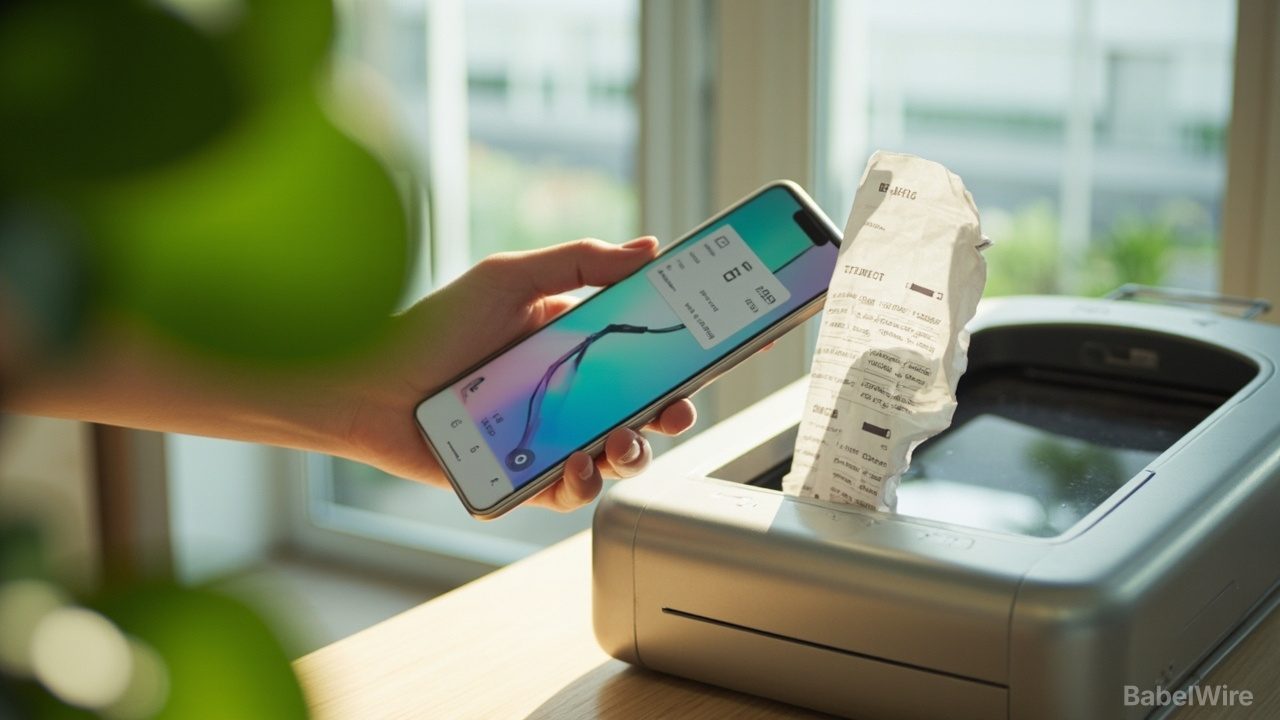
Germany is set to become one of the first major European economies to mandate digital receipts, with new legislation requiring all retailers to offer electronic alternatives to paper receipts starting in 2028.
The law, which passed with broad parliamentary support, aims to reduce the estimated 8.5 billion paper receipts printed annually in Germany — a significant environmental and waste reduction initiative. Businesses will be required to offer customers a digital receipt option, though paper receipts can still be provided upon request during a transition period.
For the retail and Point-of-Sale technology industry, the mandate represents a massive modernization push. Companies must upgrade their POS systems to support digital receipt generation and delivery via email, apps, or QR code. Industry estimates suggest this will affect over 400,000 retail locations across Germany.
Consumer advocacy groups have largely praised the initiative, citing both environmental benefits and the convenience of searchable, storable digital records. However, some privacy advocates have raised concerns about the potential for digital receipts to enable more detailed consumer tracking and profiling.
The legislation includes provisions for data protection, requiring that digital receipt systems comply with GDPR and that customers must actively consent to receiving digital receipts rather than having their data collected by default.
Neighboring countries including Austria and Switzerland, which have already implemented similar digital receipt initiatives, will be watching Germany's rollout closely as the largest economy in Europe takes this step.