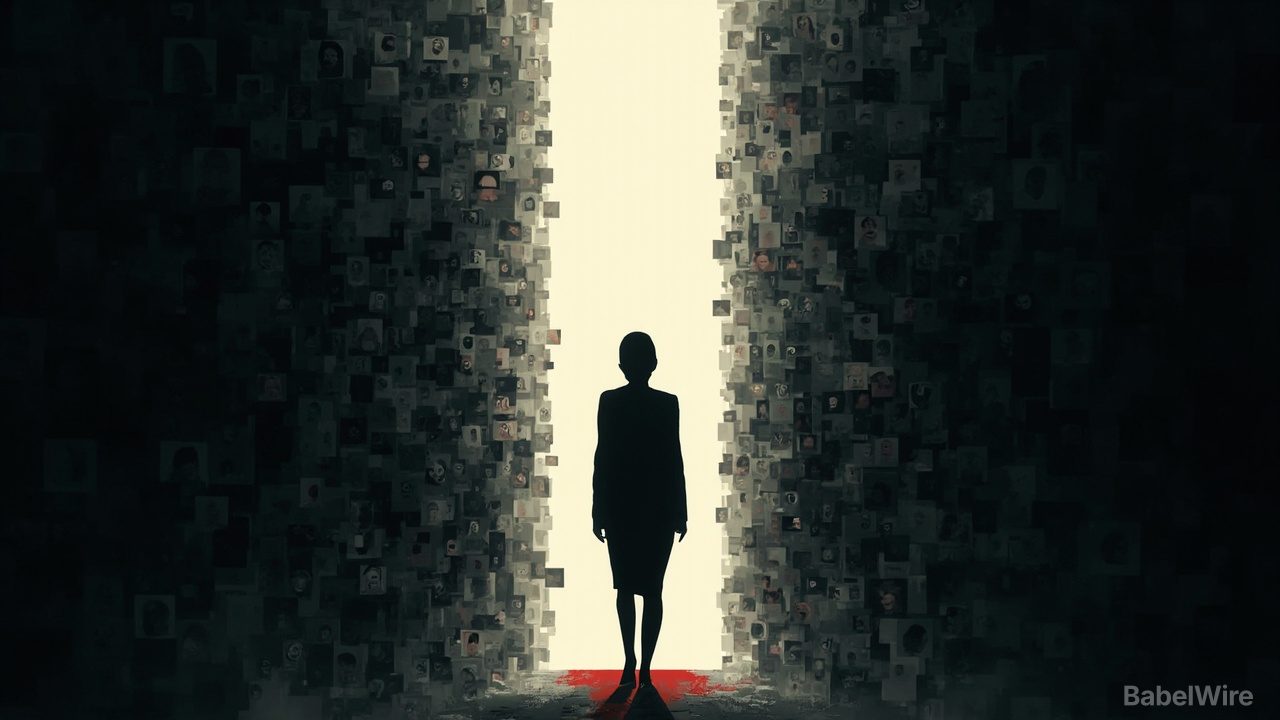
Wired's Uncanny Valley podcast has published an investigation into a network of anonymous men who, in its framing, turned the harassment of young women into a group sport — and tells the story from the perspective of one target.
The reported pattern is not the lone troll of the early internet but something organised: men coordinating across forums and group chats, pooling images and personal details, and treating the destruction of a specific woman's reputation and daily life as shared entertainment with scoreboards and internal status. The episode follows what that looks like from inside — the volume, the persistence, the effort required to keep ordinary life going while a campaign continues.
What makes the reporting relevant beyond the individual case is the infrastructure question. Coordinated abuse campaigns exploit the same features that make platforms work at scale: easily created accounts, frictionless resharing, recommendation systems that reward outrage, and moderation that reacts case-by-case long after the damage. Once material is copied across dozens of sites and channels, takedown becomes a losing race even when the original post is removed.
The legal picture is equally uneven. Harassment and defamation law is generally national and slow, while the conduct is distributed and instant; anonymity, jurisdictional gaps and the difficulty of proving a coordinated campaign leave targets to carry the investigative work themselves. Wired's account is a reminder that the technical and legal tools for this problem are still far behind the behaviour they are meant to address.