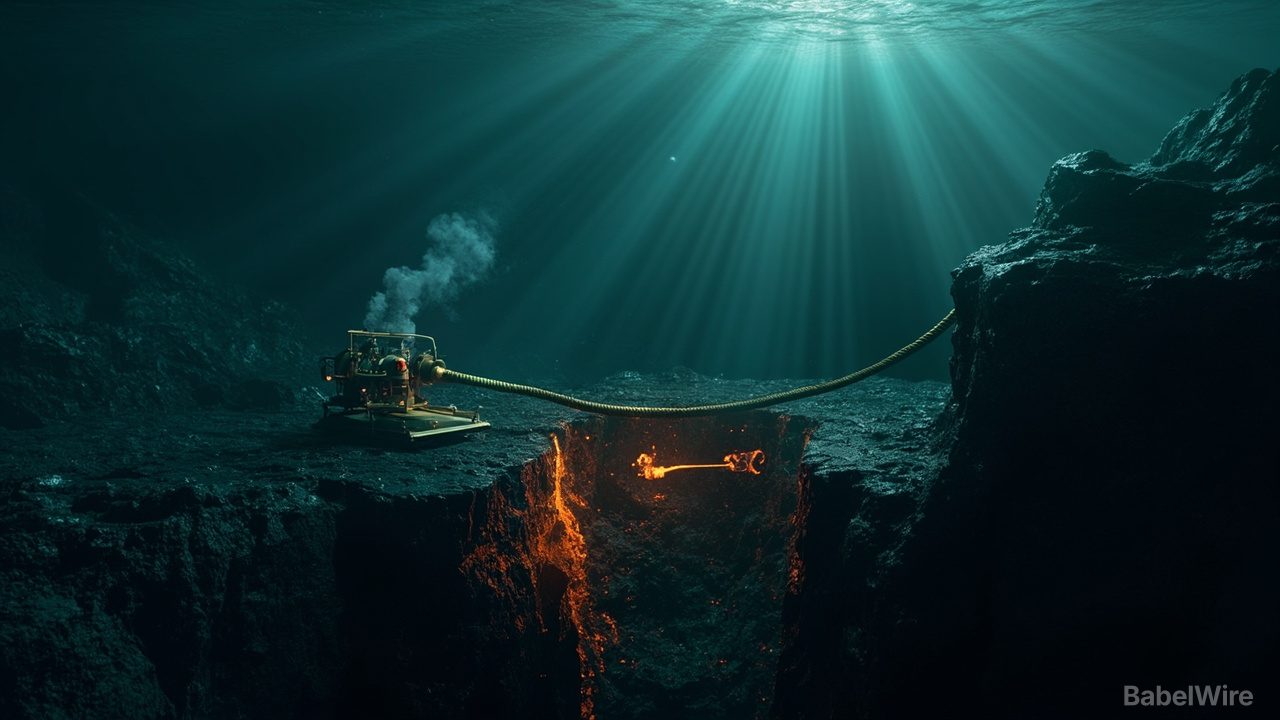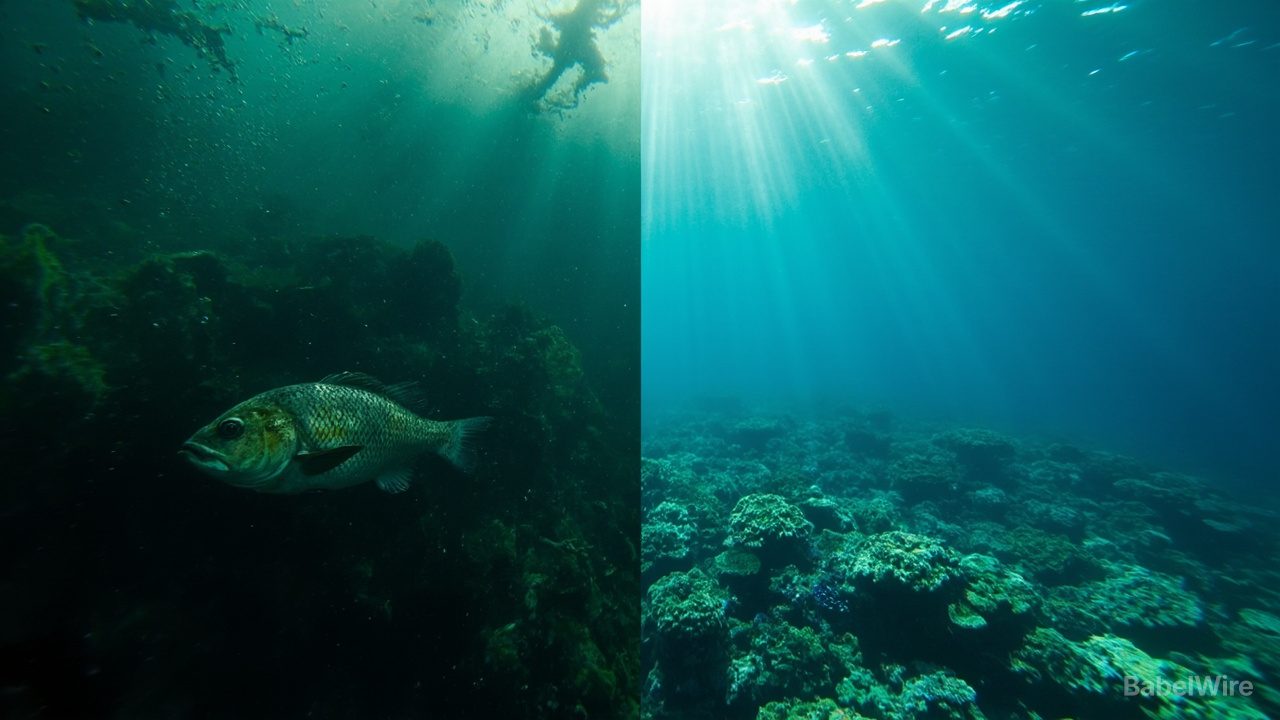
Oxygen is disappearing from Earth's oceans, rivers, lakes, and coastal waters at an alarming rate, threatening aquatic life and weakening the natural processes that help regulate the planet's climate, scientists warn in a new review published in Limnology and Oceanography.
Researchers from the Scripps Institution of Oceanography at the University of California, San Diego, argue that aquatic deoxygenation — the long-term decline of dissolved oxygen in water bodies — should be formally recognized as a critical planetary boundary, joining climate change, biodiversity loss, and ocean acidification as Earth system limits that must not be crossed.
The global ocean has already lost approximately 2% of its dissolved oxygen since the 1960s, according to the International Union for Conservation of Nature (IUCN). Low-oxygen "dead zones" have expanded dramatically worldwide, and the problem extends far beyond the open ocean — rivers, estuaries, lakes, wetlands, and coastal ecosystems are all affected.
Three primary drivers are responsible: climate change (warmer water holds less oxygen and reduces ocean mixing), nutrient pollution (excess nitrogen and phosphorus from fertilizers and wastewater trigger algal blooms that consume oxygen when they decompose), and reduced ocean ventilation (changes in circulation limit oxygen transport to deeper waters).
The consequences are profound. Marine animals are forced to migrate into smaller habitable areas, increasing competition for food and disrupting predator-prey relationships. Species unable to escape — shellfish, corals, and bottom-dwelling organisms — often experience mass mortality. Over 3.3 billion people depend on fish for a significant portion of their animal protein, making this a direct threat to global food security.
Perhaps most concerning is the dangerous feedback loop the researchers identify: rising temperatures reduce oxygen levels, low-oxygen waters produce greater quantities of potent greenhouse gases like nitrous oxide (which has nearly 270 times the warming potential of CO₂), and additional warming further accelerates oxygen loss. Breaking this cycle requires coordinated action on climate, pollution, and ecosystem conservation.
The study's authors, led by Erica Ferrer (now at the National Center for Ecological Analysis and Synthesis), emphasize that oxygen loss both responds to and regulates other planetary boundary processes. By incorporating dissolved oxygen into the planetary boundaries framework, policymakers would gain a clearer understanding of how multiple environmental crises interact rather than treating them independently.
"This study is designed to elevate the profile of aquatic deoxygenation as a global threat and show that it does not operate in isolation," the researchers wrote. They call for rapid reduction of greenhouse gas emissions, improved wastewater treatment, sustainable fertilizer use, and expanded marine protected areas.
Sources
- sigmaearth.comSigma Earth: Ocean Deoxygenation Threatens Earth's Balance
- geomar.deGEOMAR: Loss of oxygen in bodies of water identified as new tipping point
- aslopubs.onlinelibrary.wiley.comASLO: Abundant interactions and feedbacks between aquatic deoxygenation and planetary boundaries (Limnology & Oceanography)
- popularmechanics.comPopular Mechanics: Earth's Disastrous 10th Tipping Point Has Been Identified