It is the kind of news nobody expected from Electronic Arts in 2026: 25 games from the 1990s have arrived, lightly remastered, on Steam and GOG — including nearly the entire Ultima series and five Wing Commander titles. None costs more than $5, and owners of the old versions get the new ones free.
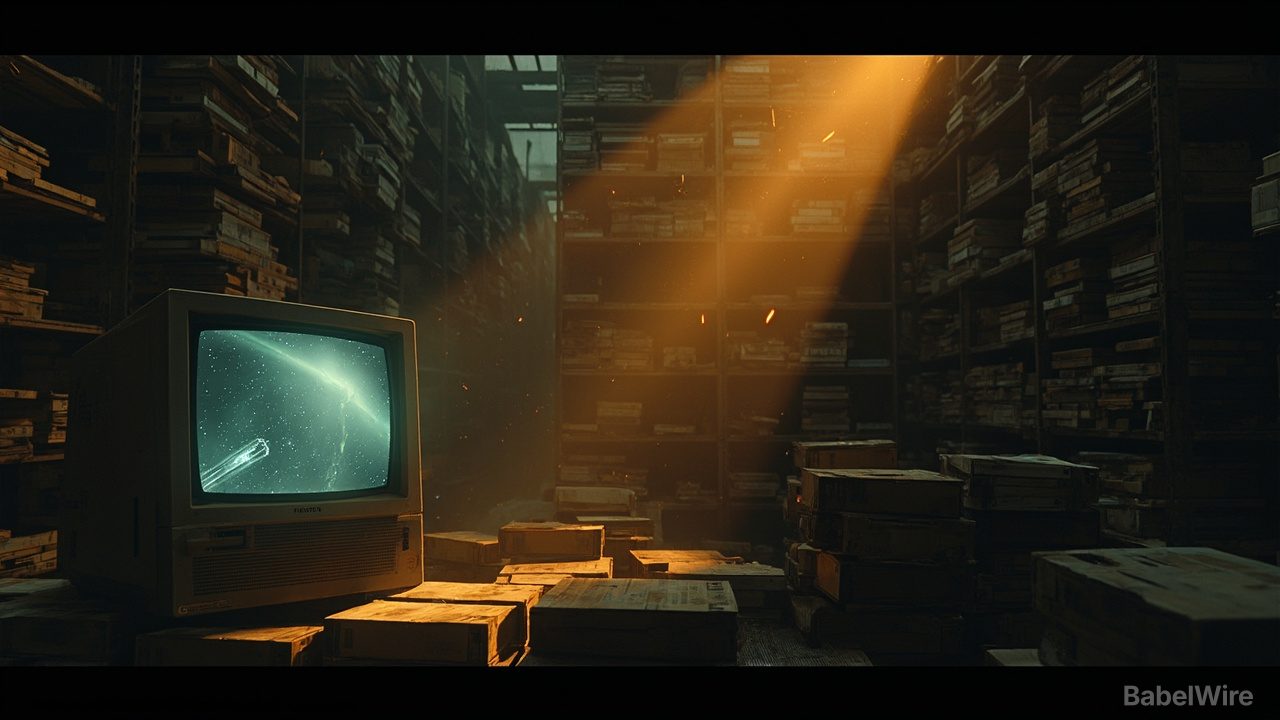
The story behind them is better than the announcement. Jim Vessella, a senior producer at EA, describes in a long blog post how, after working on the 2019 Command & Conquer Remastered Collection, he found a room at the company's Redwood Shores headquarters holding decades of physical media — poorly labelled, barely sorted. In his spare time he began cataloguing it, and found something unexpected: the masters of Wing Commander III and IV's full-motion-video cutscenes appeared to be intact. These were the live-action sequences that in the 1990s were held up as proof that games were the future of storytelling.
What followed was a small contract team poring over tape on swing shifts, 17 hours a day, labelling and digitising, plus collaboration with people from the community — above all Matt Wells, who has spent years building enhancement patches for Wing Commander games. The result is FMV at a quality never previously sold, alongside 60 frames per second, a pile of new .INI tweaks and full controller support, though some Steam forum posters report trouble with exactly that controller support.
For Privateer 2, the high-quality masters could not be found. The team contacted the original cinematics director, Steve Hilliker, who had the tapes in his attic — and who had always wanted to do a fresh colour grade. He did, and upscaled the footage while he was at it. For Prophecy and Road Rash, GOG was involved in restoration; Road Rash got its entire original soundtrack re-licensed.
What stands out is how much of the work was unpaid. Some of it happened on volunteers' own time, though EA committed resources as the project progressed. In an industry that routinely loses its own past to unclear rights and vanished masters, this is an instructive exception: the material was there. Nobody had opened the room.
None of which cancels the bad news about EA. It does show how much preservation depends on a small group of people taking an unsorted archive seriously — and on a publisher letting them.