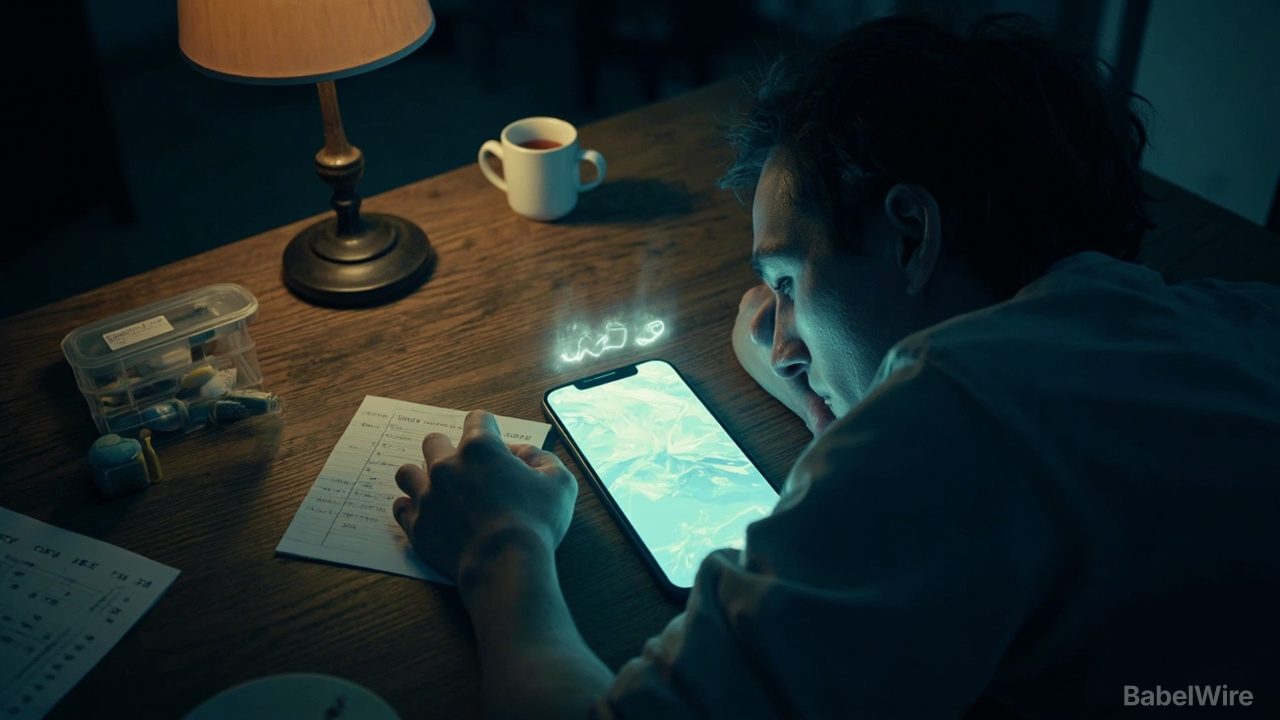
The number the market quotes comes from AARP: in 2025 an estimated 63 million Americans were caring for an adult or child with a medical condition or disability, averaging up to 27 hours a week. The information that matters is generated in those hours — between appointments, in kitchens, on the phone — and not inside any system that collects it.
That is the gap the apps are aimed at, and increasingly they aim at it with an assistant attached. Caring Village, founded in 2015, ships "Julia" to answer caregiving questions. Citizen Health, launched in 2024, released "Ari" six months ago: a beta assistant that takes symptom updates by text message, reaches into medical records, patient portals and Google Calendar, and prepares families for appointments. For now Ari is limited to rare diseases. Mejo, a 2022 web app at $6 a month, condenses a person's medical history into a one-page summary to share with doctors and therapists — typed in by hand. Briggzy, built by a father to hand off his son's care to his wife, is still in testing and aims to launch in 2027. Medisafe, around since 2013, tracks doses, flags interactions and tells a caregiver when one was missed.
The benefit is real. So is the exposure. I. Glenn Cohen, who studies health law and bioethics at Harvard Law School, points out that most of these products are not medical devices, so the FDA has not reviewed them — safety and efficacy rest on the company's word. And the health information people type into them is generally not protected by HIPAA, because it does not come from a covered entity; it comes from a household. What a user can rely on, he says, is often only the contractual promise, in terms that tend to absolve the company. Cohen adds a detail most privacy debates miss: the data may describe not just the person receiving care but the parents and other caregivers too.
The second obstacle is duller and therefore harder to fix. Nobody keeps the record up to date. Denise M. Brown, who has trained caregivers for years, has watched apps arrive and vanish because maintenance is work: care plans, schedules and tasks all have to be uploaded, and a physician, visiting nurse, therapist or hospital discharge planner will not log in to add anything. It falls back on the person who is already at capacity.
That is the honest diagnosis of this product wave. The model is not the bottleneck; capture and interoperability are. As long as clinics and practices will not write into these systems, an AI assistant mostly automates the administration of one's own exhaustion.
Nicole Howell of the National Council on Aging puts it in terms that go past the market: the answer will not come from one family or one caregiver. It needs government, employers and families saying the hard part out loud. Until then, for 63 million people, the app does not replace the conversation — it keeps the list.