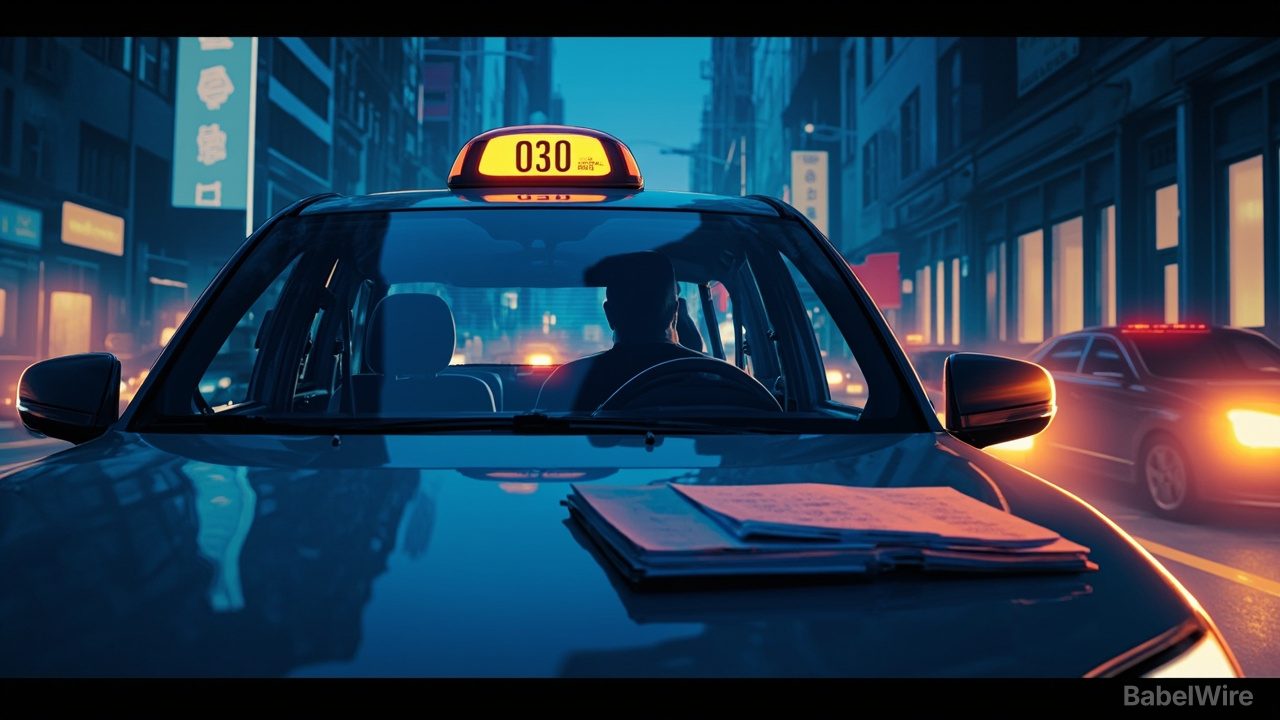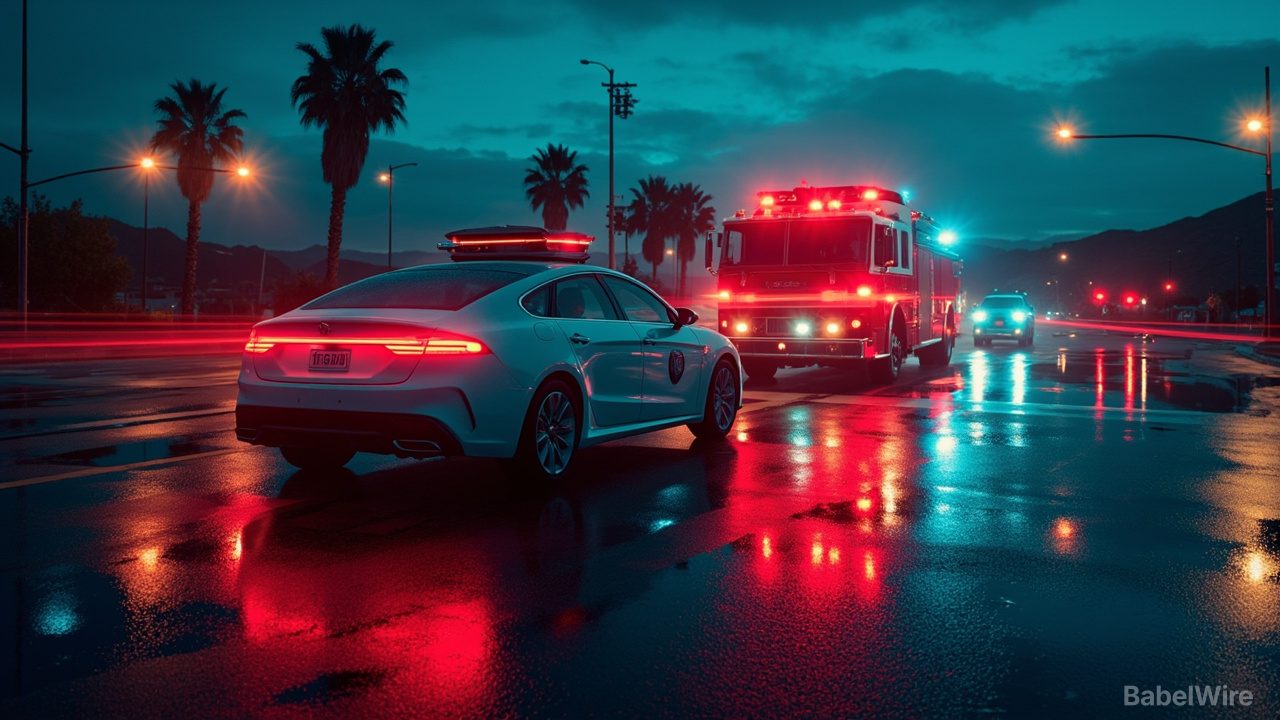
California has a new law governing what happens when a robotaxi stops being helpful and starts being an obstacle. Governor Gavin Newsom signed Senate Bill 1246, which imposes a set of obligations on autonomous-vehicle operators — Tesla, Waymo and Zoox among them — and creates the state's first direct penalties for getting in the way of an emergency.
The headline provision: an AV company can be fined if one of its vehicles blocks police or firefighters during an emergency for more than 30 minutes.
Beyond penalties, the law requires operators to provide "local incident technicians" who can physically respond to crashes and obstructions, and to notify cities, towns and other local jurisdictions about the location and status of their vehicles during system-wide failures. It also tightens the rules on remote work: AV developers may only employ remote drivers who are based in the United States and hold a US driver's licence.
That last requirement targets a real ambiguity. The term "remote operations" has been interpreted very broadly and little is publicly known about the methods AV companies actually use. "Remote driver" in the law is far narrower — a human who directly operates or drives the vehicle from afar. Tesla is the only company that has publicly said it has remote operators able to take direct control of its robotaxis. Waymo describes its remote assistance as humans advising a self-driving system that retains control, and runs a global assistance network including staff in the Philippines, plus command centres in Arizona and Michigan. Zoox says its remote operations teams are US-based.
The bill's sponsor, state Senator Dave Cortese, framed it as a condition of the state's openness to the technology: "California has embraced autonomous vehicles, but we cannot embrace innovation at the expense of public safety," he said. "When an autonomous vehicle crashes, breaks down, blocks a roadway in an emergency, or gets in the way of law enforcement or first responders, there must be clear accountability."
The backstory is a run of incidents in which California robotaxis broke down, disrupted traffic, drove into crime scenes or impeded responders. Most involved Waymo, which has roughly 4,000 commercial autonomous vehicles nationwide and about 1,200 in the Bay Area; a TechCrunch investigation earlier this year found repeated cases in which Waymo vehicles were manually driven by first responders. The incidents drew a letter from NHTSA demanding that AV developers produce "solutions".
Waymo and Zoox both said they will comply. Waymo credited amendments for keeping the service viable and said it is "committed to making roads safer in California".
The law does not bite immediately: it goes into effect in July 2028. The California Department of Motor Vehicles will write guidelines on several aspects, including required response times — which means the practical strength of the penalties will be settled in the rulemaking, not in the statute.
Why it matters: this is the first US state framework that puts enforceable teeth behind the robotaxi-versus-first-responder problem, and it arrives as fleets scale. The US-based-remote-driver clause in particular sets a compliance template other states can copy, and a precedent the industry will lobby over.