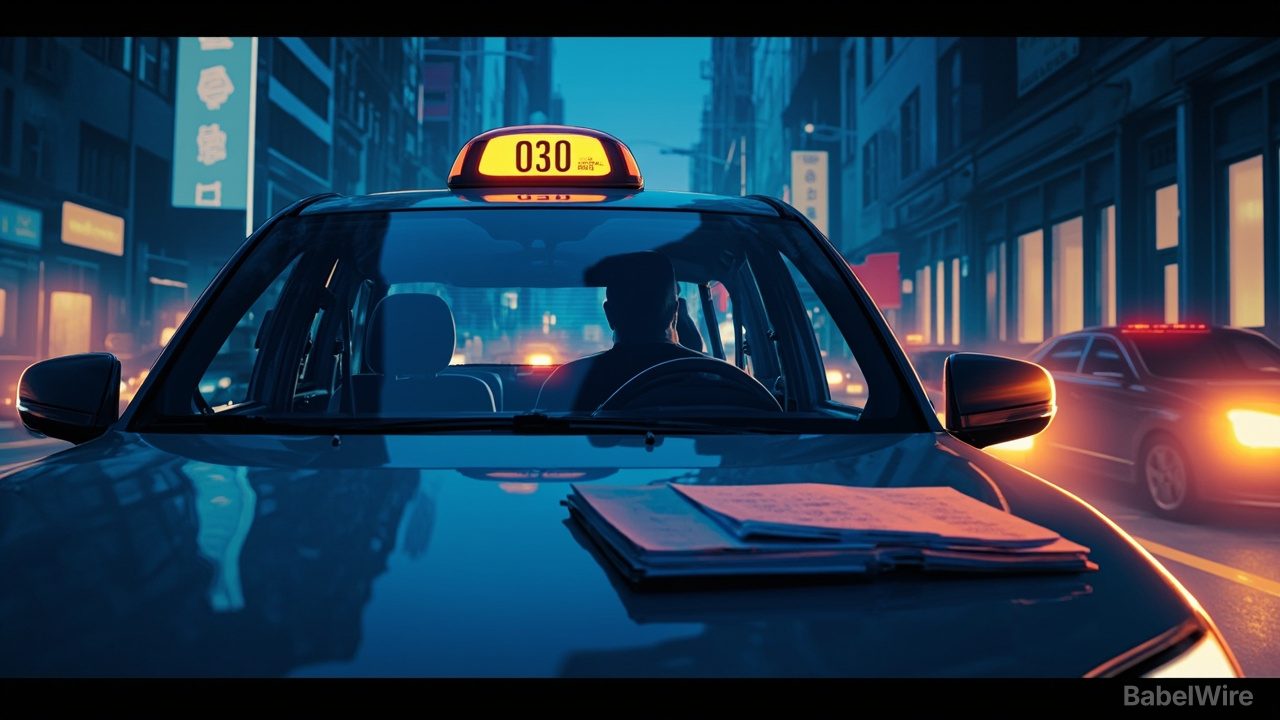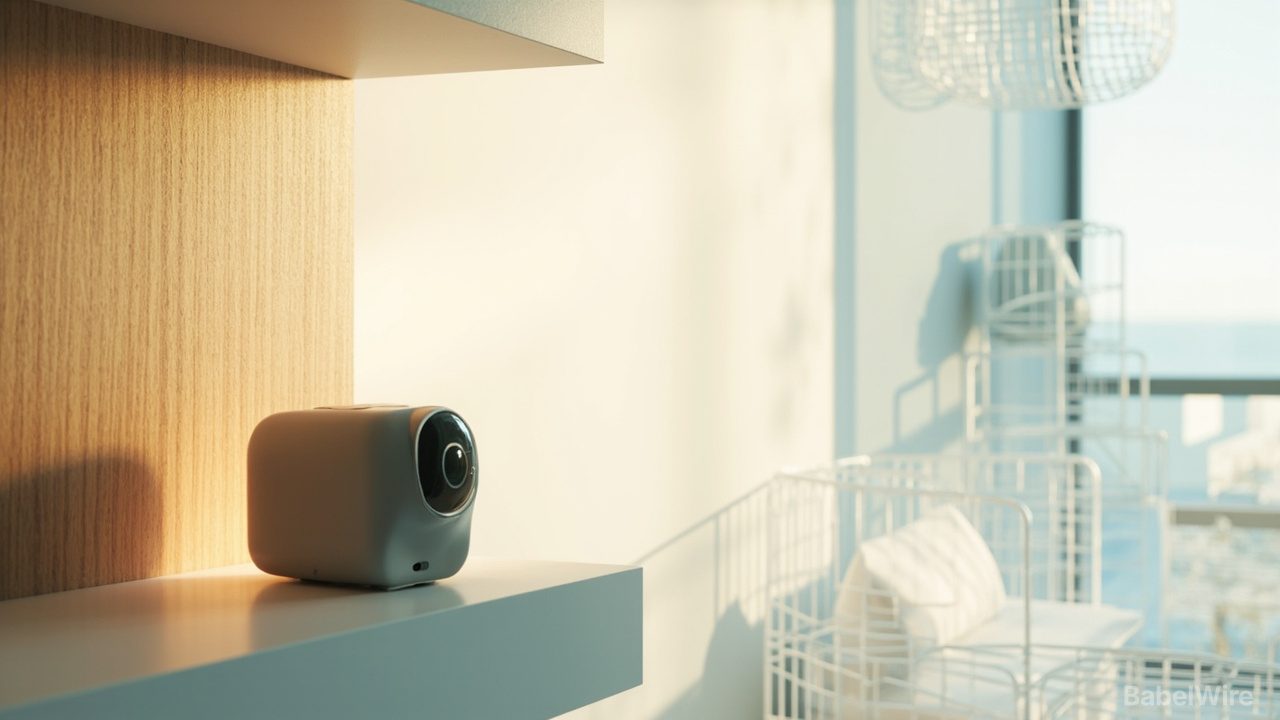
As Apple prepares what is expected to be a broad push into the smart home, Bloomberg's Mark Gurman says one product in the line-up will invert the premise of the security camera: it will not record video at all.
On the first episode of the Power On podcast, Gurman described a device code-named J450, a companion to Apple's long-rumoured smart home display (J490). The camera is small and cylindrical — "like a metal chapstick" — and captures at a very low frame rate. "No video recording," Gurman said. "So it's a sensor that cannot actually pull in real video footage. It's analyzing your environment in your home and around your home simply using AI."
Gurman said the camera uses "a very similar technology" to what Apple is reportedly developing for the camera-equipped AirPods that leaked earlier this year. Rather than presence sensing with millimetre-wave radar, the approach relies on an image sensor with AI processing on the device itself — the class of silicon exemplified by Sony's IMX500, which runs inference inside the sensor so that images need never leave the chip.
There is precedent inside Apple's ecosystem: HomeKit Secure Video cameras already offer a "Detect Activity" setting that stops streaming and recording while continuing to track motion. The reported camera goes further, adding facial recognition for events such as detecting who enters a room — while, as Gurman put it, "you're not getting anything but text descriptions."
The trade-off is the interesting part. The pitch is straightforward: no footage means nothing to store, nothing to secure and nothing to leak, sidestepping the cloud-storage and subpoena anxieties that have followed Amazon's Ring and other consumer camera platforms. A low-frame-rate sensor that emits text also promises nearly nothing worth exfiltrating if the device itself is compromised.
The cost sits in capability and evidence. A sensor that samples sparsely and describes the scene in words will not identify a face at distance, capture a licence plate or resolve whether a package was taken or simply obscured by a passing car. And after a break-in, an insurance claim or a police request, a text log of events is not a video clip: "someone entered the hallway at 02:14" establishes far less than footage does.
None of this is confirmed by Apple. The reporting lands amid expectations of an imminent smart home launch: Gurman has said the HomePad hub is expected on October 13, and The Verge notes the company is building out both first-party and third-party home security products around it. If the J450 ships as described, it will be the clearest statement yet of Apple's bet that for consumer sensing, refusing to collect data is worth more than the fidelity you give up.