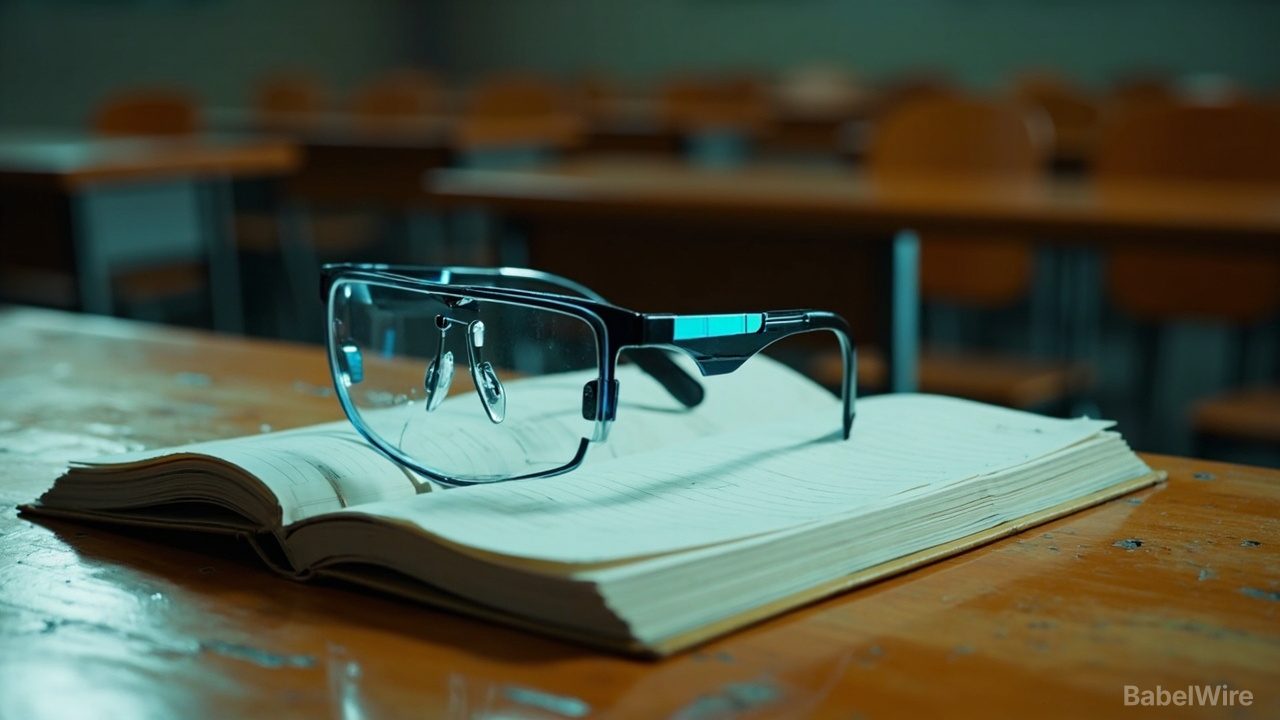
An Austrian school's decision to expel a pupil over a pair of camera-equipped smart glasses has been overturned, according to the German tech outlet heise.
The case turned on privacy. Data glasses such as Meta's Ray-Ban line pair ordinary-looking frames with a built-in camera, and schools worry about always-on recording in classrooms — of classmates, teachers and everything said between lessons. Austria's strict data-protection rules under the EU's GDPR give that concern real legal weight.
But the reversal suggests the punishment was disproportionate. European law generally expects the mildest effective response, and an outright expulsion is about as heavy as a school sanction gets. The ruling leaves room for narrower rules — bans on recording during lessons, for instance — rather than excluding a pupil from education altogether.
The episode is an early skirmish in a wider problem. Schools wrote their rules for phones, which can be confiscated or switched off. Smart glasses are harder to spot, harder to police, and, to their makers, simply the next computing platform.
Why it matters: as wearables with cameras and microphones become ordinary consumer products, European institutions will have to decide again and again where a legitimate privacy interest ends and an overreaction begins — and cases like this one set the precedent.