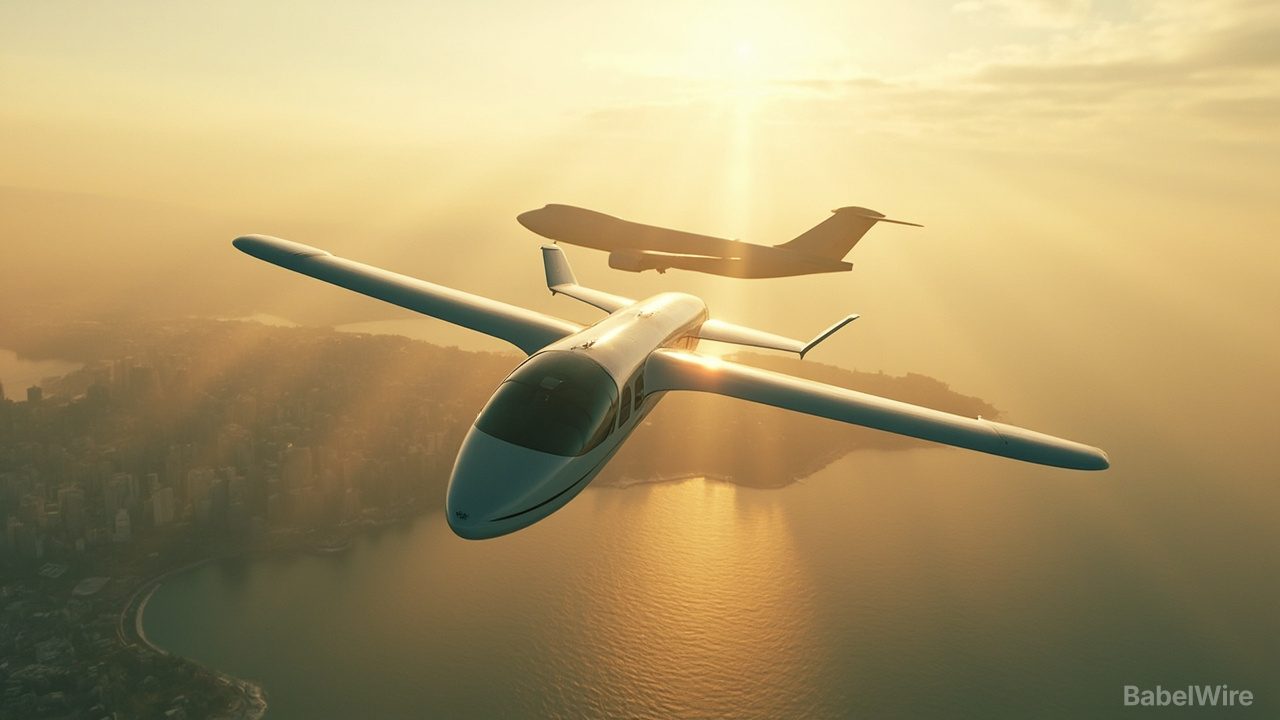
Archer Aviation said Monday it will acquire Boeing's Wisk Aero — along with the subsidiaries SkyGrid and Insitu — in an all-stock transaction that makes Boeing the largest outside shareholder in the electric air-taxi developer. Three years after the two companies settled a bitter trade-secret lawsuit, the deal consolidates two of the most prominent names in electric vertical take-off and landing (eVTOL) aircraft under one roof.
The transaction, announced alongside Archer's second-quarter results, gives Boeing a stake of nearly 20% in Archer, according to Reuters. Boeing has also agreed to invest up to $55 million in an upcoming Archer funding round and will receive warrants to purchase up to $200 million of Archer stock in the future.
Perhaps more significant than the equity is the technology tie-up. Under a cross-licensing agreement, Boeing can use Wisk's core autonomous-flight technology in its current and future commercial and defense aircraft — a nod to the aerospace giant's preparations for an eventual successor to the 737. Brian Yutko, Boeing's vice president of commercial airplanes product development and Wisk's previous CEO, called the arrangement "a win-win for both companies": Boeing keeps a financial stake in advanced air mobility while recycling Wisk's intellectual property into its core products.
For Archer, the acquisition delivers a ready-made pool of engineering talent as it ramps up development of a hybrid-electric "loyal wingman" drone it is building with Anduril Industries, CEO Adam Goldstein said. It also removes a rival in the race to certify an eVTOL airliner — Archer's four-passenger Midnight aircraft — with the FAA.
The deal is the latest sign of consolidation in a sector that has attracted billions in investment but struggled to reach commercial service. Boeing, meanwhile, continues to shed assets it considers non-essential while retaining exposure to a market it once championed through Wisk, founded in 2010 as Zee.Aero, which developed a fully autonomous air taxi concept. The transaction remains subject to regulatory approvals and customary closing conditions.
Sources
- techcrunch.comTechCrunch: Archer buys former rival Wisk Aero
- reuters.comReuters: Archer to acquire Boeing's Wisk, two other units for nearly 20% equity stake
- theaircurrent.comThe Air Current: Archer to acquire rival Wisk as Boeing broadens its asset sales
- investors.boeing.comBoeing Investor News: Archer to Shape Physical AI Future of Aerospace and Defense with Acquisition of Boeing's Wisk Aero, Insitu and SkyGrid Subsidiaries