Microsoft's smallest controller ships tomorrow with a feature the company has not announced.
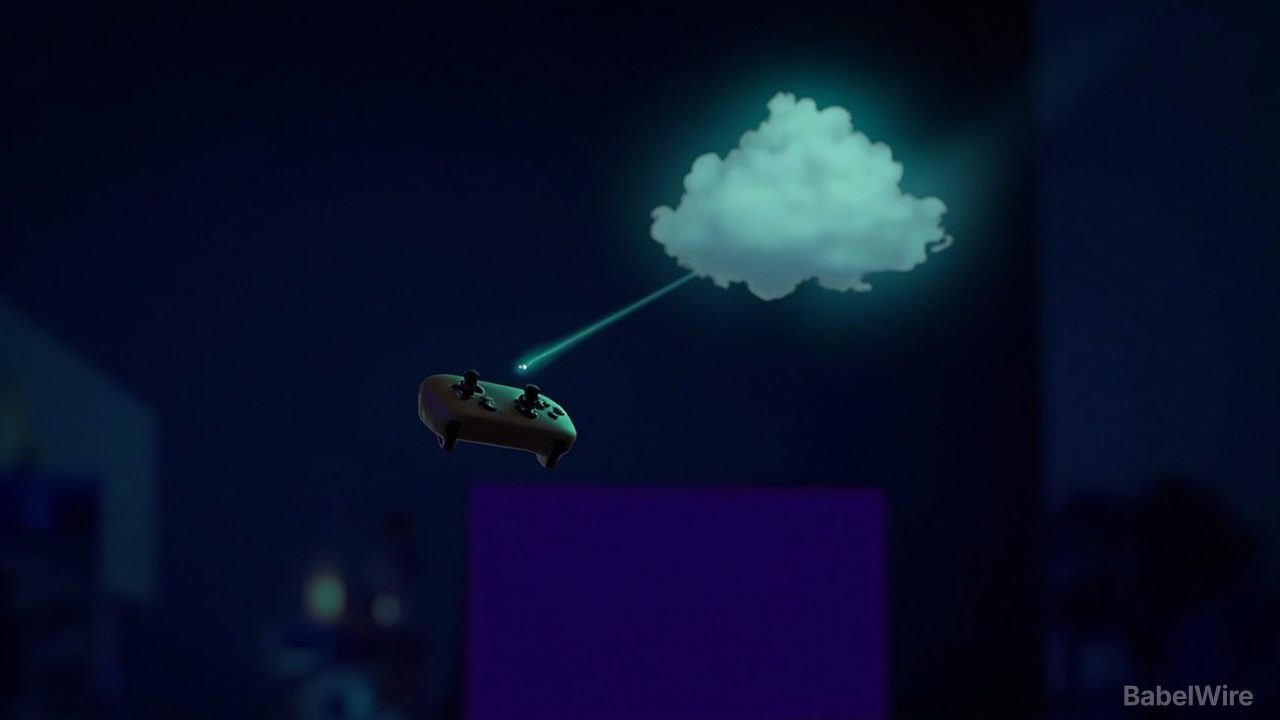
The Xbox Nano — a $49.99 rechargeable pad, just over five inches long, aimed at smaller hands — can pair directly with Xbox Cloud Gaming servers over Wi-Fi. The Verge found the option live in a private test of the new Xbox Cloud Gaming website; pairing is done through the Xbox mobile app.
The point is latency. A controller that talks to the cloud itself, the trick Google's Stadia controllers used, skips the hop through a console, a phone, or a TV's Bluetooth stack. Microsoft is expected to announce the capability as a preview before it is supported across Xbox Cloud Gaming on the web and on smart TVs, and The Verge expects the coming Elite 3 to carry the same radio.
It is an old plan arriving late. Microsoft intended a direct-to-cloud controller, codenamed Sebile, alongside a 2024 refresh of the Xbox Series X. The console refresh was cancelled and the controller never shipped in that form. The Nano revives a piece of it at the low end instead of the high end: the cheapest, smallest pad in the line is the first with a route to Microsoft's servers that does not pass through a Microsoft device.
That inversion is the story. Cloud gaming's promise is that the hardware in your hands stops mattering — but until now the hardware in the living room still sat in the path: a console, a phone acting as a hotspot, a television running an app. The Nano takes that device out of the equation and leaves a screen, a network, and a pad.
In practice it stays a detail for tinkerers, for now. The feature is unannounced, privately tested, and requires a phone to pair and an account to use. At $49.99 the Nano is not positioned as premium hardware anyway: small, rectangular, pitched at younger players and at anyone who wants a second controller in a bag. That this entry-level model gets the direct cloud link first says something about Microsoft's priorities — the company earns on the subscription, not the pad, and every device that reaches cloud titles without a console lowers the cost of entry.
What remains open is how much the direct link actually buys. Latency accrues in encoding and in the network chain as well as between pad and server; Stadia demonstrated that the controller hop is only one term in the sum. The difference becomes measurable when the preview goes public.