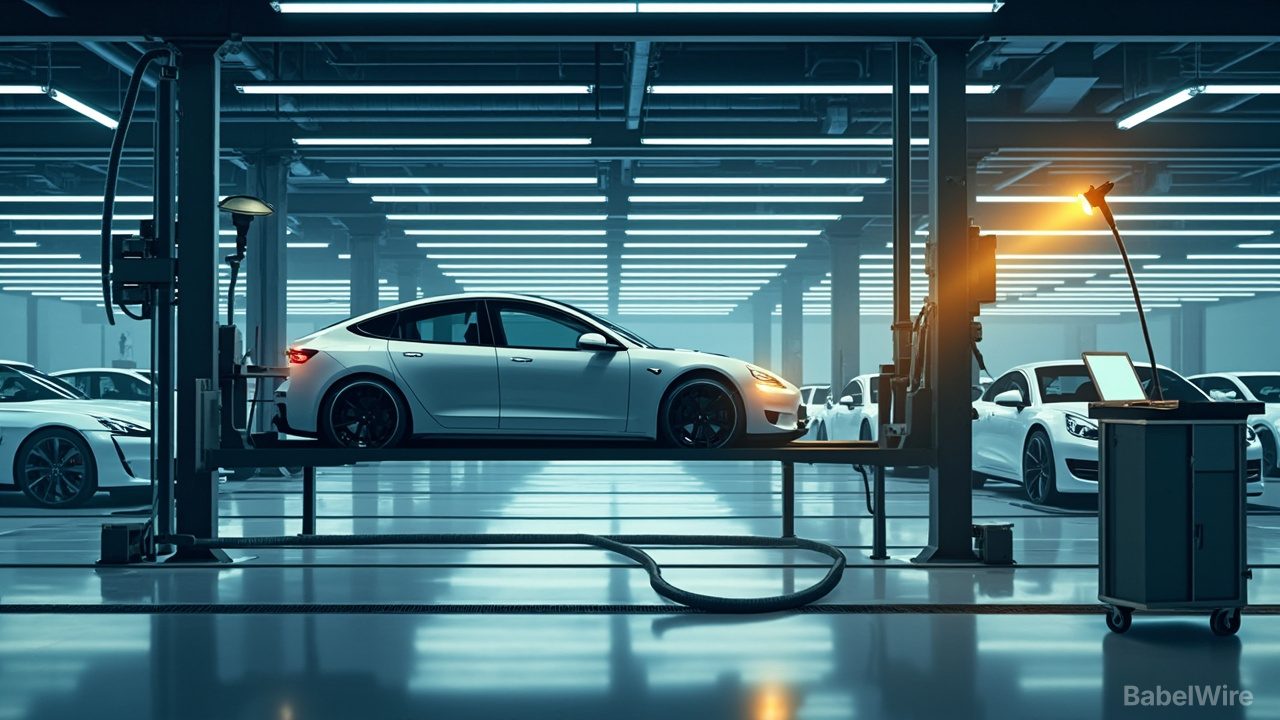
Volkswagen is recalling more than 70,000 electric vehicles worldwide, heise online reports.
Recalls are routine; the electric version of one is not, because the fix decides what happens next. A defect that can be corrected with an over-the-air update is a software release with a letter attached: the car keeps driving, the owner loses nothing but a notification, and the campaign closes quietly. A defect that requires a lift, a part and a dealer slot is a logistics problem — and the EV transition has been quietly building one, because the service networks that can handle high-voltage hardware are thinner than the ones built up for combustion engines over a century.
For VW the timing is unhelpful. Europe's largest carmaker is mid-way through the most expensive restructuring in its history, cutting capacity in Germany while trying to fund software and electrification at the same time. A global recall of this size adds cost to a balance sheet already under scrutiny and hands ammunition to anyone arguing that the incumbents' electric cars are less mature than the brochures suggest.
The scale also says something about modern vehicles in general. Seventy thousand units is a fleet, and fleets are now software platforms: the same defective line of code or the same under-specified component propagates across model years and markets in a way that mechanical faults rarely did. Recall counts have been drifting upward across the industry for exactly this reason, and the number is less a measure of engineering quality than of how tightly coupled the product has become.
For owners, three things decide how much this matters: which models are affected, which markets, and whether the remedy is a download or a workshop appointment. Until those are clear, the useful move is the unglamorous one — check your vehicle identification number against the manufacturer's recall portal rather than waiting for a letter.