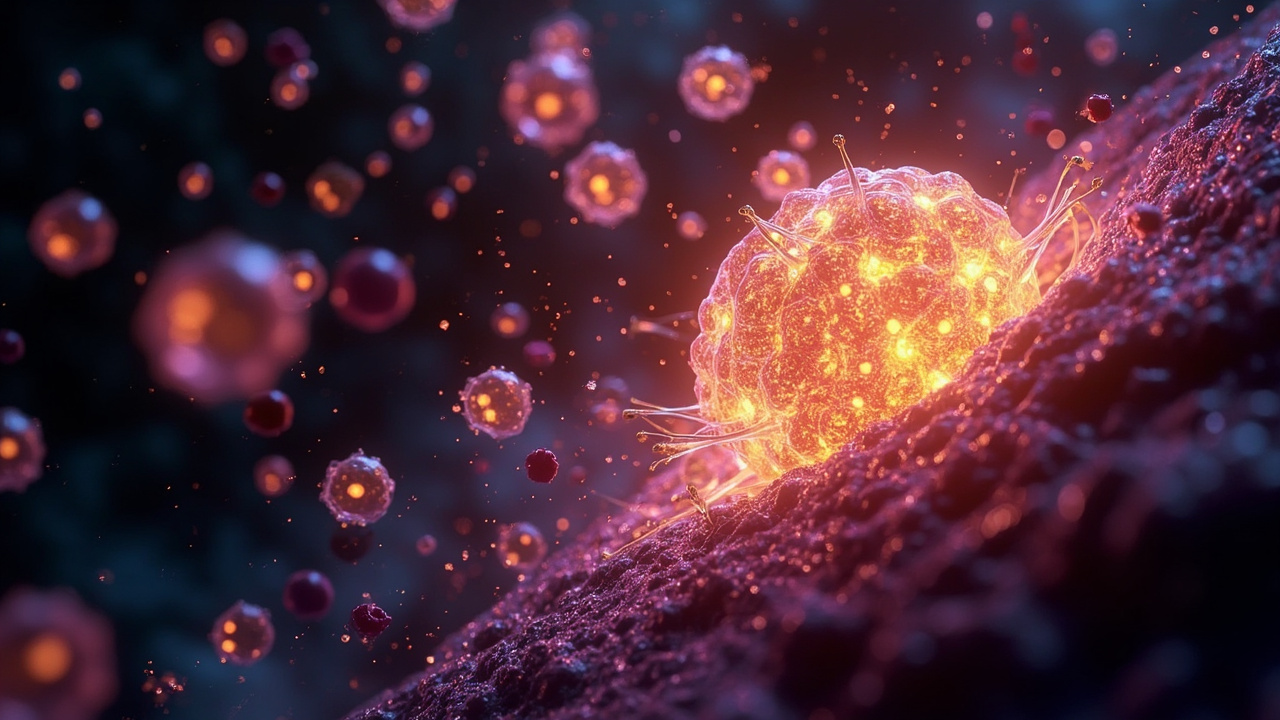
Scientists at the University of Southern California (USC) Stem Cell lab have developed a groundbreaking method for creating a renewable, expandable supply of immune cell precursors that could revolutionize cancer immunotherapy.
Published in the journal Cell, the study focuses on granulocyte-monocyte progenitors (GMPs), a type of progenitor cell that produces macrophages and several other immune cells. Macrophages play a key role in defending the body against infections and have attracted growing interest as potential tools for treating cancer.
The researchers showed that GMPs can be expanded extensively in the laboratory and genetically modified to recognize cancer cells while also boosting broader immune responses. Using a carefully defined chemical cocktail, the team prevented GMPs from maturing into other immune cell types and succeeded in maintaining and expanding them over long periods — a feat previously thought impossible for progenitor cells.
"The prevailing view has been that long-term self-renewal in the blood system is primarily a property of the hematopoietic stem cells," said corresponding author Qi-Long Ying, MD, PhD, professor of stem cell biology at the Keck School of Medicine of USC. "We found that, under the right conditions, GMPs can also self-renew, dividing extensively while keeping their identity and ability to produce functional immune cells."
Macrophages are appealing candidates for cancer immunotherapy because they naturally enter tumors, consume cancer cells, and help organize immune responses. While T-cell therapies have achieved major success against blood cancers, macrophage-based therapies may offer particular advantages against solid tumors.
The team equipped GMPs with a chimeric antigen receptor (CAR), enabling the cells to recognize a specific marker found on cancer cells. They also added a second signal designed to activate nearby immune cells. Importantly, this additional signal remains effective even when donor and recipient cells are immunologically mismatched, raising the possibility of creating off-the-shelf therapies produced in advance from donor cells.
In mice with blood cancers and solid tumors, CAR-engineered GMPs slowed disease progression. The platform also restored immune function in mice with chronic granulomatous disease, an inherited immune disorder, demonstrating potential beyond oncology.
Researchers at Stanford University independently reproduced the long-term maintenance and genetic engineering of GMPs, providing additional support for the platform's reliability. The study was supported by multiple research foundations and has been licensed to Myelogene Inc., co-founded by the lead researchers.