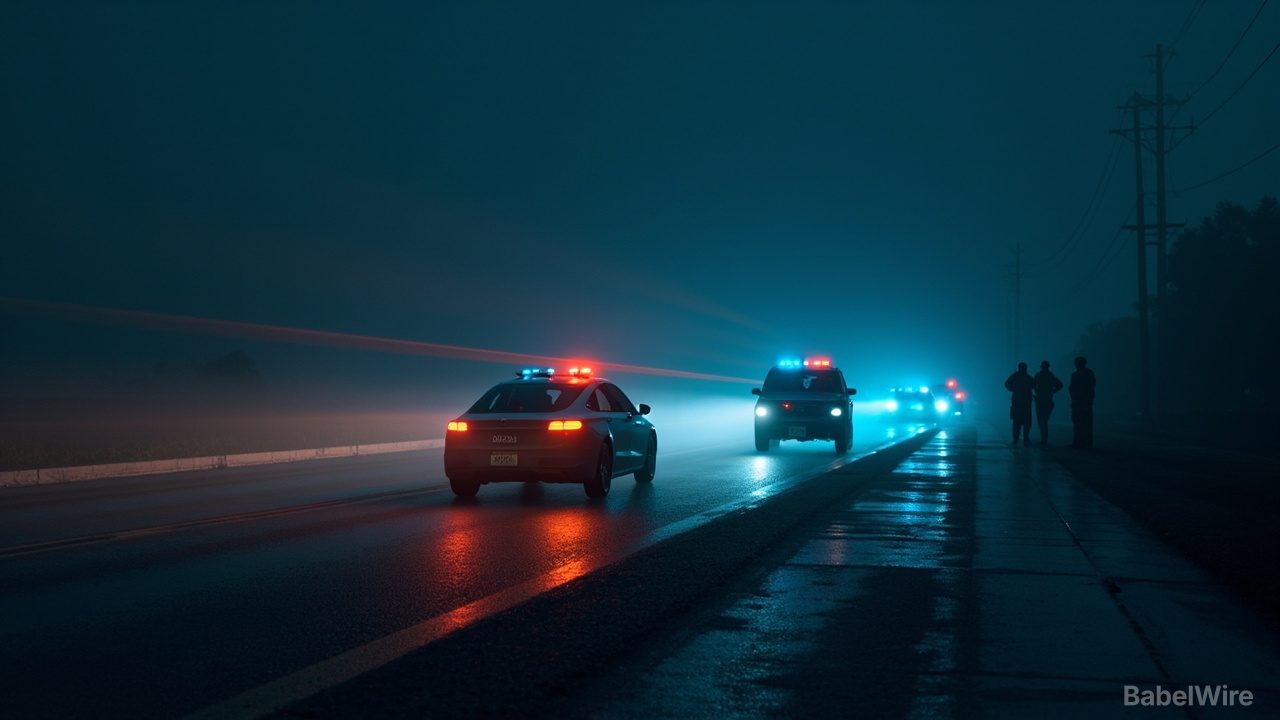
A Tesla driver told investigators he was asleep, with Full Self-Driving (Supervised) engaged, when his car crashed into California Highway Patrol vehicles, The Verge reports. It is a rare on-the-record admission of exactly the behaviour supervised autonomy is meant to prevent — and that in-cabin monitoring has not reliably stopped.
The architecture is the issue. Tesla's FSD remains a Level 2 driver-assistance system: the human is legally responsible for the driving task at all times and must be ready to take over. Tesla monitors that readiness with a cabin-facing camera and steering-wheel torque detection, and suspends FSD access for drivers who accumulate "strikes" for inattention. A sleeping driver is the boundary condition of that design: the car is nominally operating the vehicle while the only legally responsible party is unconscious.
Regulators have circled the problem for years. NHTSA's 2023 Autopilot recall covering roughly two million vehicles rested on its finding that Tesla's driver-monitoring remedy was insufficient, and the agency opened a further inquiry in 2024 into whether the recall actually changed behaviour. A separate defect investigation, opened in October 2024, covers FSD crashes in low-visibility conditions. Tesla has also faced scrutiny over marketing that regulators argued overstated the system's autonomy, with California's DMV pursuing action over the "Full Self-Driving" name.
Crashes into stopped emergency vehicles are a well-documented class of advanced driver-assistance failure: stationary vehicles, flashing lights and personnel at the roadside sit at the edge of what camera-and-radar perception handles well, which is precisely why police agencies working a highway scene continually warn about the approach lane.
What to watch: whether NHTSA folds the incident into an existing investigation or opens a new one, whether the driver faces charges for the crash, and whether any change to Tesla's inattention detection follows. Tesla has repeatedly said drivers must remain attentive and that FSD requires supervision; that instruction is being tested here in the most literal way available.