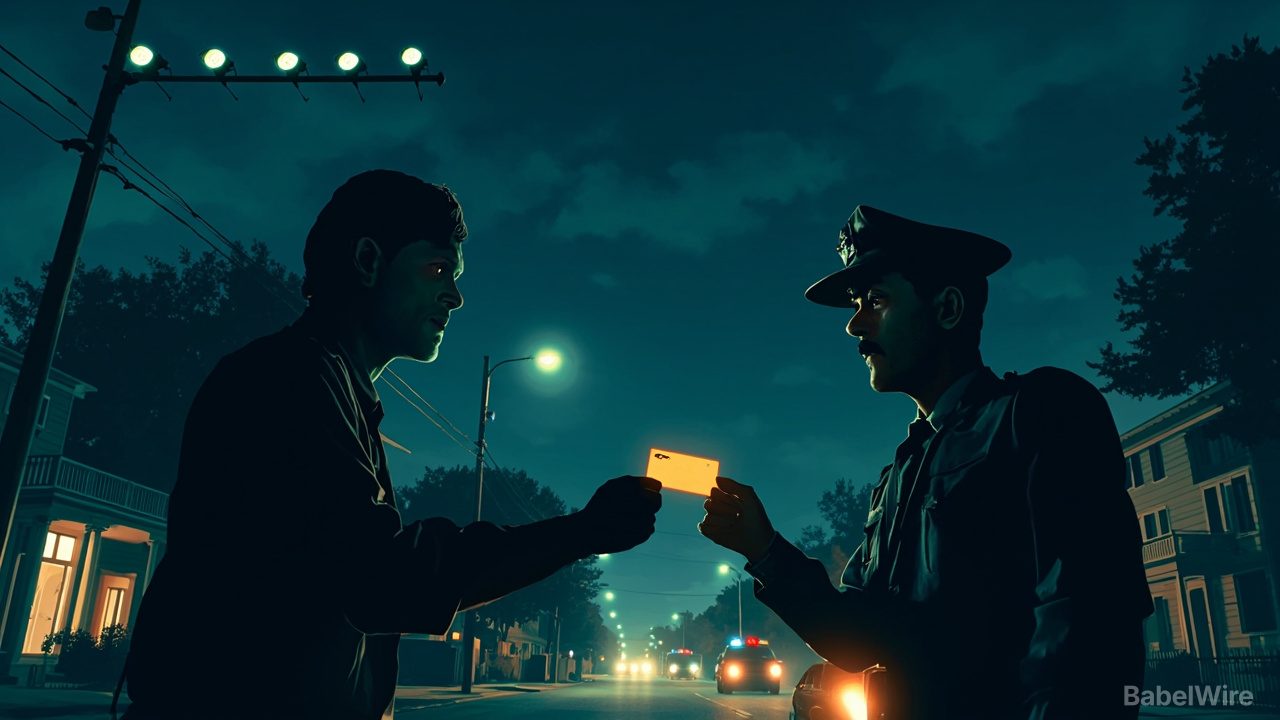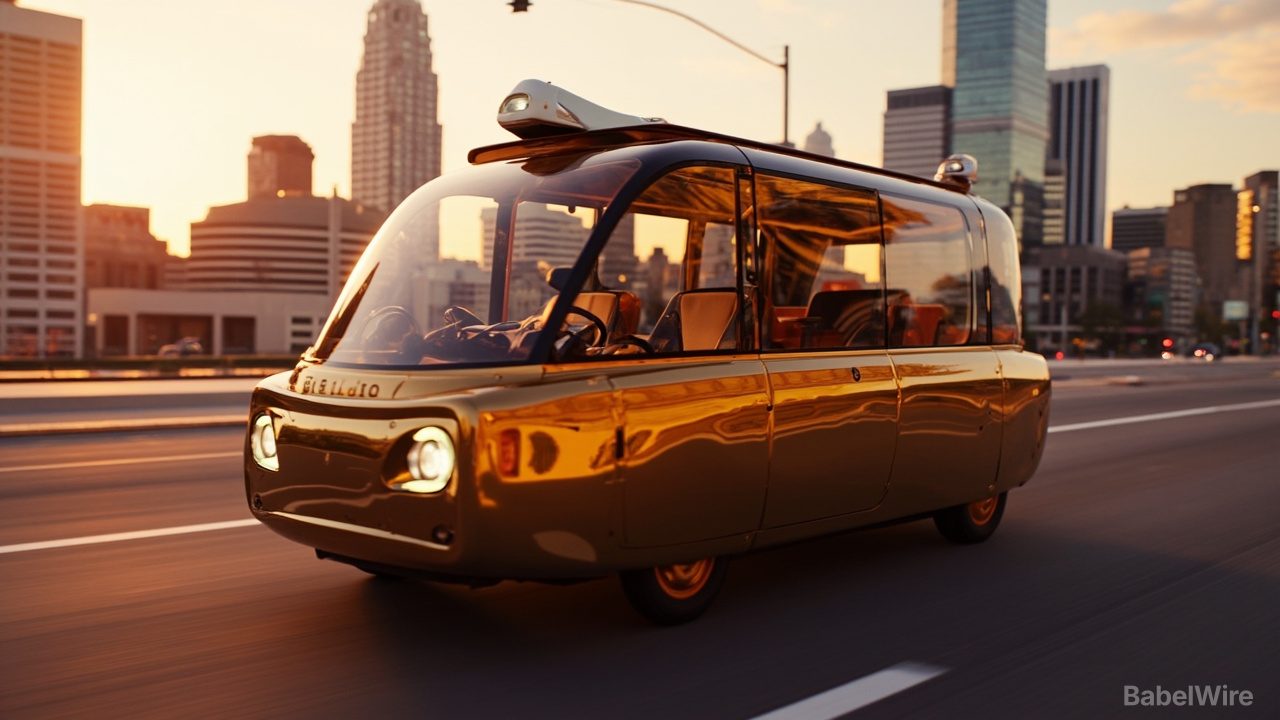
Tesla's Cybercab — a small, gold, two-seater sedan with no steering wheel or pedals — launched in Austin, Texas on Wednesday, marking what many see as the most consequential moment in the company's history. Using cameras and AI to navigate, the Cybercab represents Tesla's bid to prove it can transition from automaker to AI and robotics company.
The scale of Tesla's ambition became visible even before the formal launch. Dozens of Cybercabs were staged around Austin and other US cities in the run-up, with 420 autonomous vehicles registered in Texas according to the state's automated vehicle tracker. Tesla AI chief Ashok Elluswamy posted on X that "the streets won't be the same anymore," and Elon Musk replied "Yes" to a post predicting Tesla would "flood Austin."
"A Storm of Cybercabs," Musk wrote, sharing a seemingly AI-generated image of the vehicle consuming the city alongside a massive dust storm. These posts marked a departure from months of go-slow-and-safe messaging, suggesting Tesla was ready for aggressive expansion.
The Cybercab is designed around cost: smaller, lighter, and with a lower-capacity battery than any other Tesla. Fewer raw materials — especially on the battery side — make it cheaper to build and potentially faster to reach profitability. Tesla fans point to the company building dozens of Cybercabs for roughly the same cost Waymo spends on fewer than 10 of its newest vans.
But significant caveats remain. Tesla has only operated its robotaxi network within geofenced areas — a contradiction Musk himself once flagged, saying: "If you need a geofenced area, you don't have real self-driving." The network has also seen setbacks: in July, Tesla revealed that paid miles were actually declining. And while its Model Y test fleet was relatively inconspicuous, bright gold Cybercabs will attract far more public and regulatory scrutiny.
The stakes are existential. Either the Cybercab begins Tesla's transformation into a dominant autonomous mobility platform, or it exposes that despite years of promises, the company's self-driving technology isn't ready for the world.