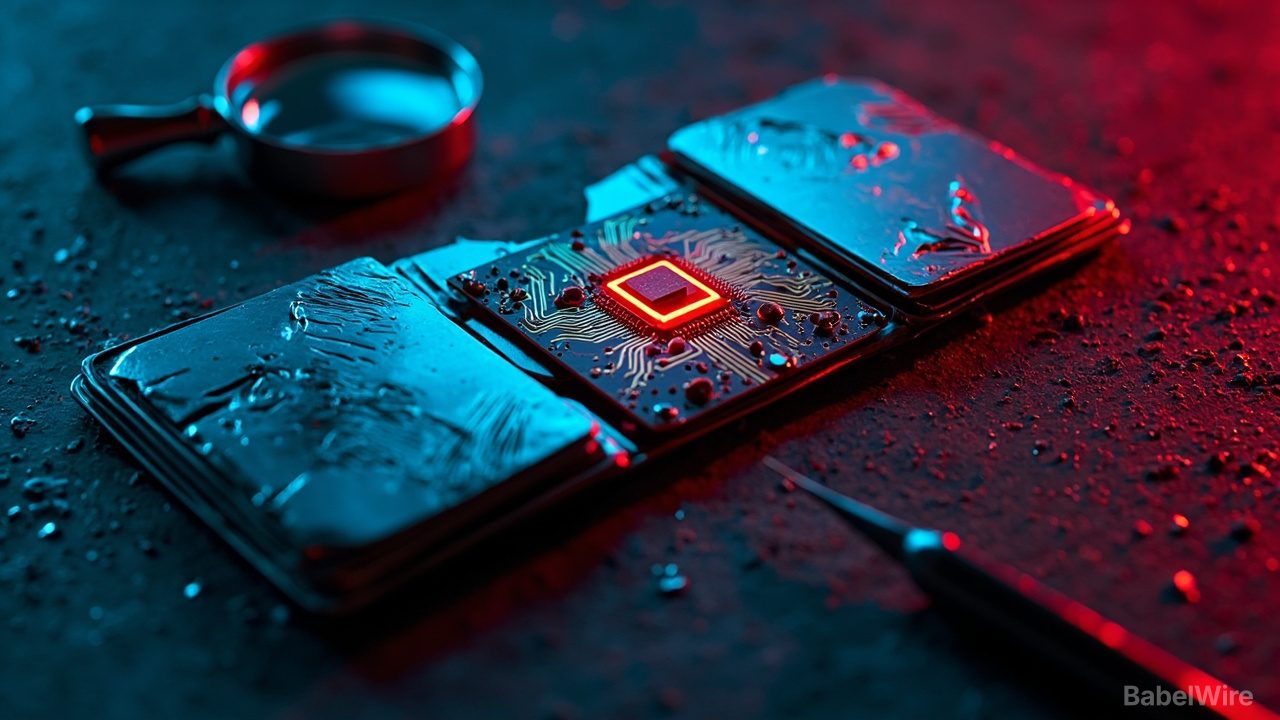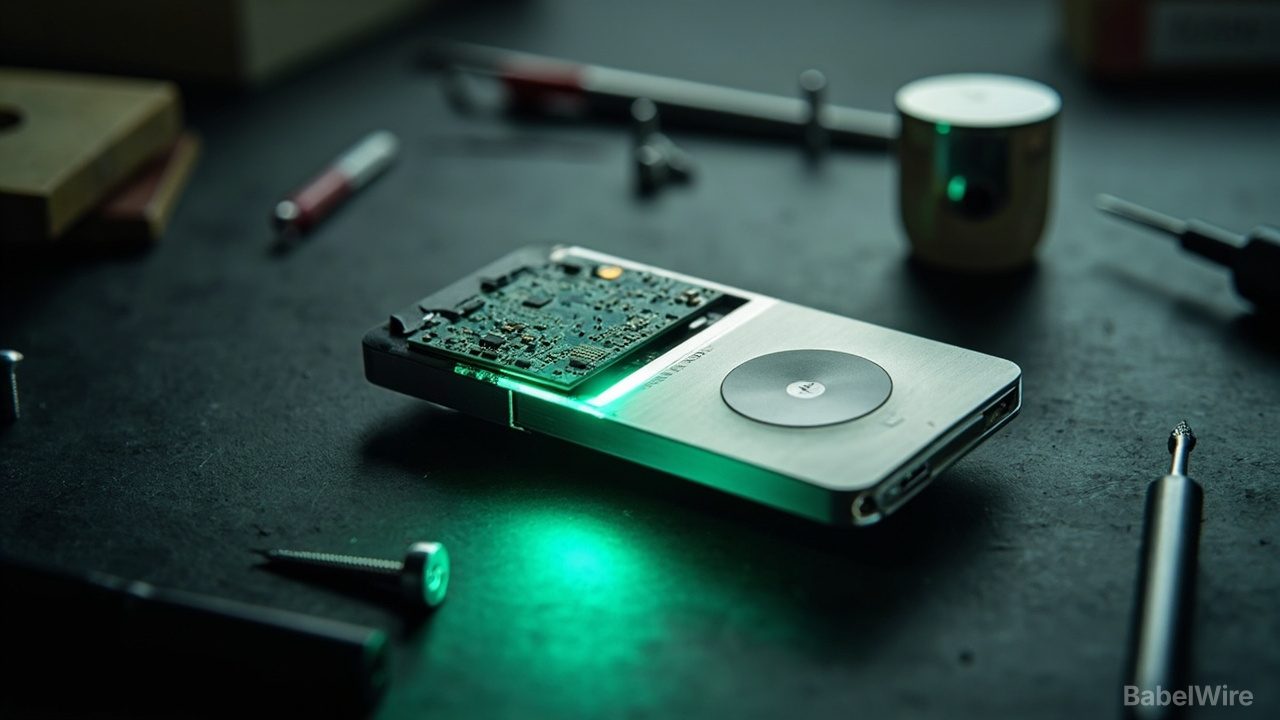
Apple stopped making the iPod more than a decade ago, but the hardware refuses to disappear: the players are sturdy, the click wheel is unreplacable, and the failure points are boringly predictable — a battery that has swollen or gone flat, and a spinning hard drive that has stopped spinning. That is exactly the gap a project called Sprout, reported by Heise, aims at: replacing the iPod's logic board with a modern design inside the original housing.
The principle is well established in the retro-modding scene. Owners have long revived classic players with flash storage in place of the old 1.8-inch drives, oversized batteries where the case allows, and in recent years USB-C ports and Bluetooth. Every one of those mods works around the original board; a redesigned board moves the whole player onto parts that are still being manufactured — the difference between patching a device and keeping it in circulation.
Why bother? Because a music player that holds your own files, needs no account and has no subscription attached has become a niche people actively seek out, and because the alternative for a dead iPod today is usually the bin. Right-to-repair arguments that began with phones and farm equipment apply neatly to a device Apple itself has retired: well-built, loved, repairable hardware should not become landfill because the vendor moved on.
The usual caveats hold. Small-batch boards mean small-batch prices and limited supply, and a modernised player still lives inside Apple's software ecosystem, so compatibility and battery life are the first questions buyers will ask. As a statement of intent, though, a new board for a twenty-year-old player is the clearest version of a familiar argument: the most sustainable device is the one you already own and can still fix.