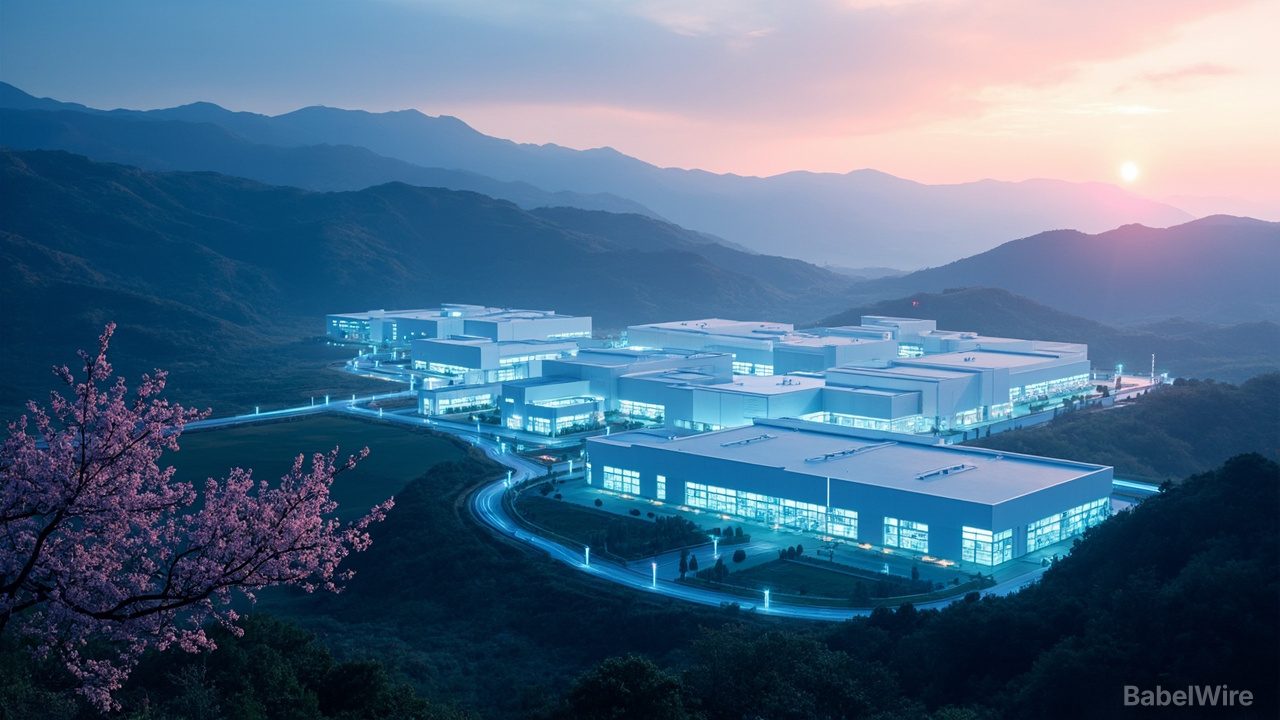
Sony Group and Taiwan's TSMC are planning to spend about 1 trillion yen ($6.3 billion) on a joint venture to mass-produce next-generation image sensor chips in Japan's Kumamoto prefecture, Nikkei reported on August 10, with production targeted as early as 2029.
The two companies reached a basic agreement in May to cooperate on the development and production of next-generation image sensors. Under the plan, Sony would own roughly 60% of the venture and TSMC 40%, according to Nikkei. Sony, the world's dominant supplier of smartphone image sensors, would bring its sensor technology; TSMC would contribute advanced chip manufacturing.
The investment deepens TSMC's presence in Japan — the company already operates fabs in Kumamoto — and bolsters Japan's push to rebuild its semiconductor manufacturing base. The region is also home to a cluster of image sensor and chipmaking suppliers, and the project is expected to draw further investment around it.
For Sony, the plant is a bet on staying ahead in a market where camera quality remains a key battleground for smartphones, cars, and industrial imaging. Next-generation sensor chips are expected to underpin higher-resolution cameras, computational photography, and machine-vision systems.
Reuters confirmed the Nikkei report. Neither company had commented publicly on the reported investment at the time of publication.