Silver nanoparticles can precisely slice DNA and create longer "sticky ends" that help genetic fragments join up to five times more efficiently than conventional methods, according to research published in August 2026.
When scientists assemble large DNA sequences — a critical step in building gene therapies, cancer vaccines, and engineered therapeutic proteins — they rely on enzymes to cut DNA at specific locations and then stitch the fragments back together. The sticky ends produced by conventional restriction enzymes are typically short, which limits how efficiently the pieces can rejoin.
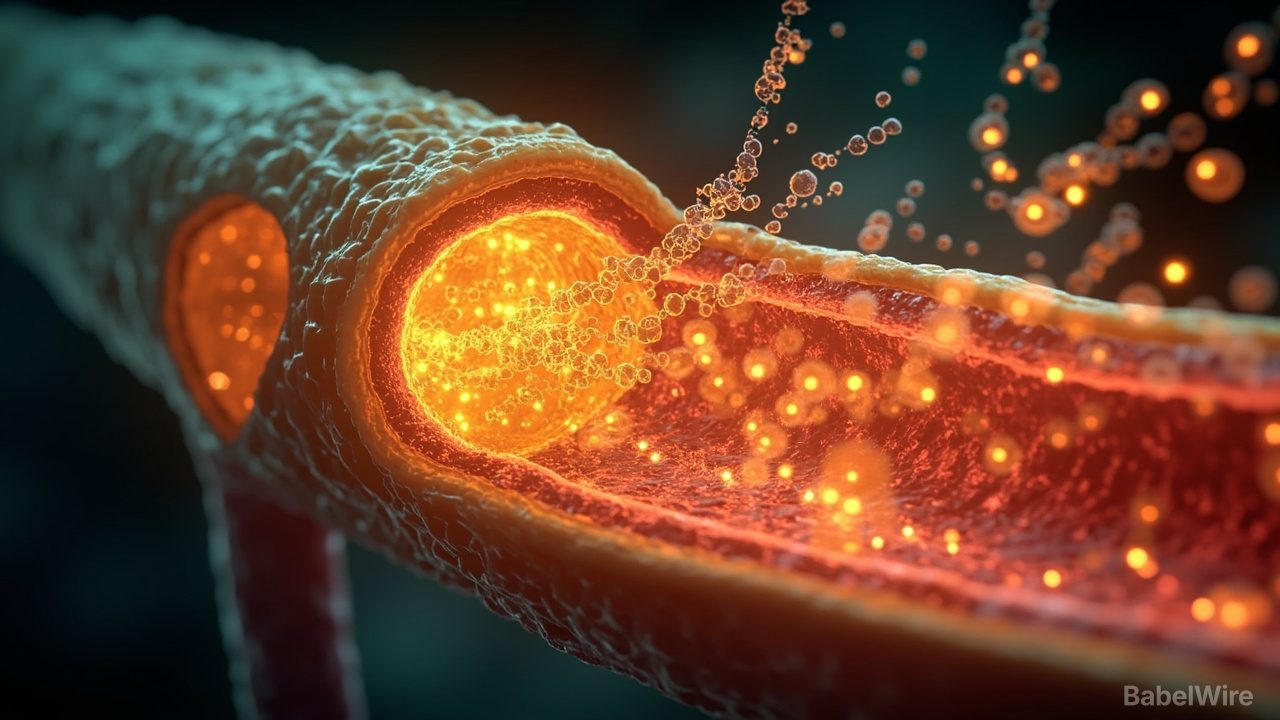
Silver nanoparticles take a different approach. When delivered to DNA in the presence of specific chemical conditions, the nanoparticles generate reactive oxygen species that cleave the double helix in a controlled manner. The result is longer overhanging sticky ends — and the researchers found these extended ends allowed DNA fragments to reassemble up to five times more efficiently.
The breakthrough addresses a major bottleneck in synthetic biology: constructing large, multi-gene DNA constructs that can take weeks to assemble using current methods. Faster and more efficient DNA assembly could accelerate the development of personalized cancer vaccines, where patient-specific tumor mutations must be rapidly incorporated into therapeutic constructs.
The researchers caution that the technique is still in early development and requires further optimization before it can be applied clinically, but the fundamental mechanism opens a new avenue for DNA manipulation that could complement existing enzymatic tools.