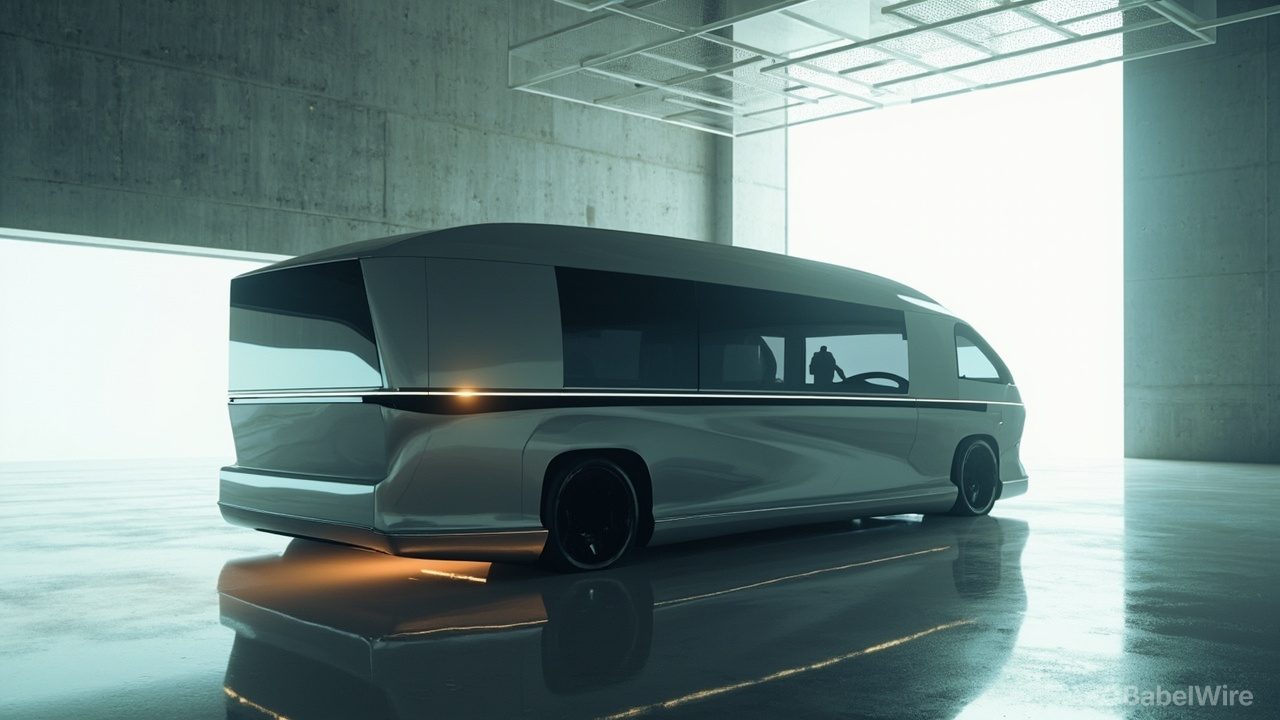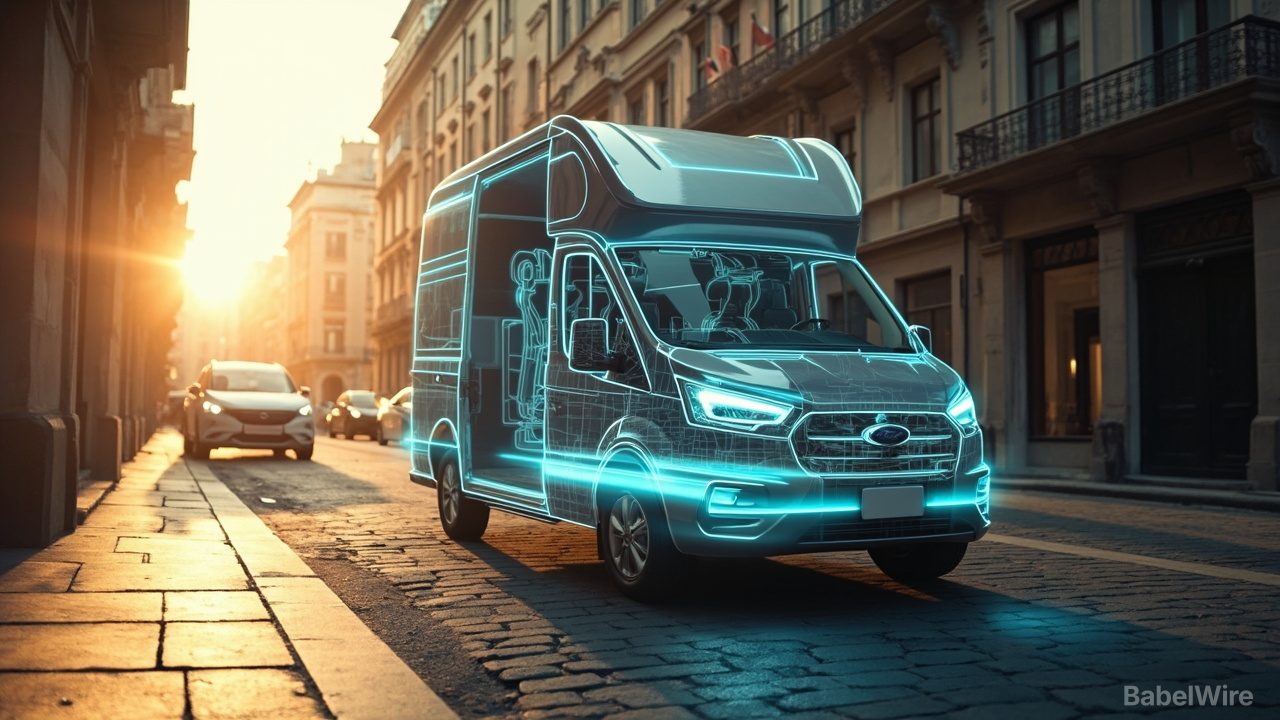
Renault has unveiled the E-Space, a new electric van, and heise online's headline captures the paradox neatly: the van is dead, long live the van. The form factor European families abandoned in droves over the past two decades — the tall, boxy, sliding-door people carrier — is being revived on an electric platform, by a brand that has spent the past few years rebuilding its line-up around battery power.
The argument for the revival is engineering rather than nostalgia. A skateboard chassis with a flat battery pack under the floor removes the mechanical compromises that made big vans inefficient: there is no propshaft, no bulky engine up front, and the cabin can be stretched to the corners. A tall, square body is aerodynamically worse than a low one, which is the one penalty range figures have to absorb, but it buys interior volume and easy access that no crossover matches. Renault, which has replaced much of its range with the electric 5, 4, Scenic and Twingo, is betting that families who bought SUVs for space will come back for a shape that delivers it more honestly.
The strategic question is whether European buyers still consider vans unfashionable. The segment was killed less by engineering than by taste: carmakers pushed crossovers because they carried higher margins and looked more desirable on a forecourt. If Renault can sell space, sliding doors and low running costs as a proposition in its own right, the E-Space becomes a test of whether the SUV's grip on European garages is finally loosening.