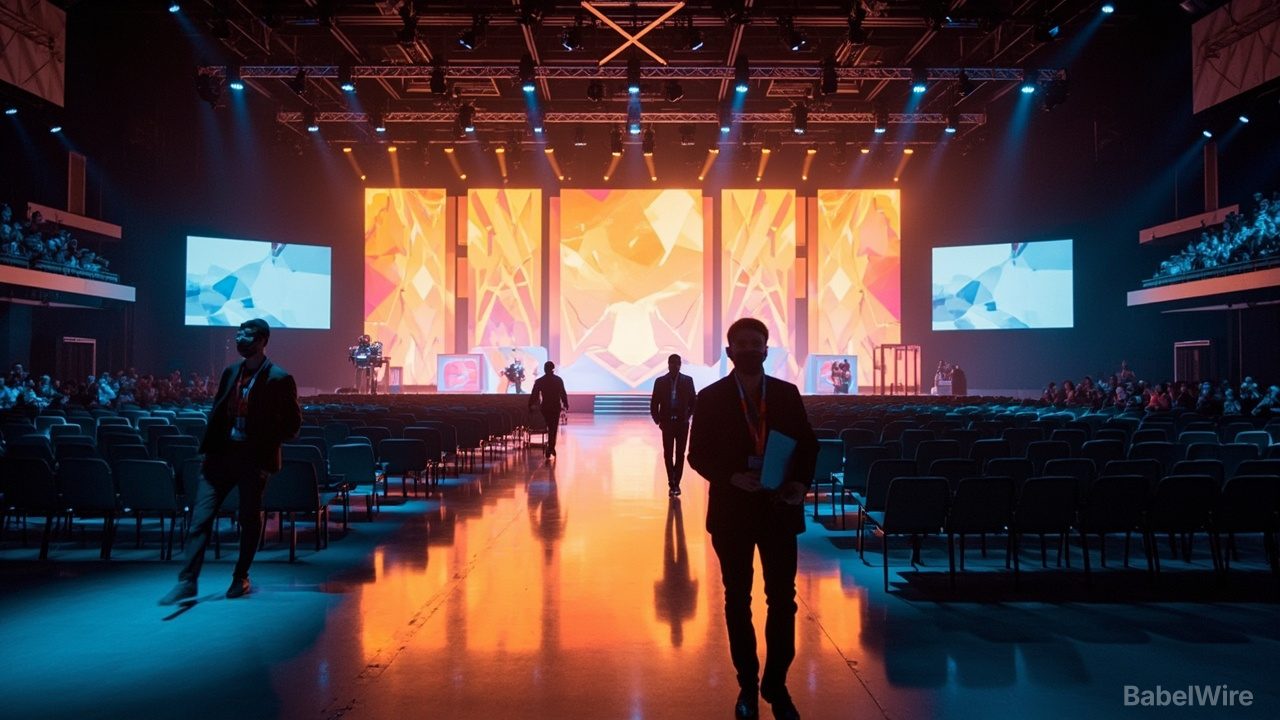
TechCrunch is counting down to Disrupt 2026. The publication has put out "The founder's guide to TechCrunch Disrupt 2026: Everything you need to know" alongside a companion dispatch titled "48 hours to TechCrunch Disrupt 2026 — hear directly from the people building what's next", framing the conference around founders and builders rather than product keynotes.
Why the countdown is worth noting
Disrupt remains one of the few venues where early-stage companies get a serious audience in the same room as the investors and press who decide what gets followed. Our own coverage in September logged Hello Robot bringing Stretch 4 onstage at Disrupt 2026 — exactly the kind of demo date that defines the event's role in the industry calendar.
The climate around this edition
This year's edition lands inside a spending cycle our wire has followed closely: tens of billions of dollars in debt financing lined up to buy AI chips, energy companies pitching new power sources for data centers, and a memory shortage that has pushed component prices sharply higher and cut into PC shipments. For founders, the practical question at a conference like this is no longer whether AI is investable, but which layer of the stack is still underpriced — and which of the announced data-center buildouts will actually get financed.
What a founder's guide is actually for
Guides of this kind are triage documents: what to attend, how to pitch, whom to meet, and how to spend a finite amount of attention across a dense programme. TechCrunch's own framing — hear directly from the people building what's next — points to sessions built around practitioners rather than pure marketing, which is the more useful format for founders deciding where to spend their time.
What to watch
Two things are worth tracking once the doors open. First, whether the launch announcements that come out of Disrupt skew toward applied AI infrastructure — the layer currently soaking up capital — or toward the consumer and robotics bets that are harder to fund in this cycle. Second, whether the founder-focused programming translates into the kind of onstage hardware and product reveals the event has historically produced. The conference is the stage; the deals signed in the corridors are usually the real story.