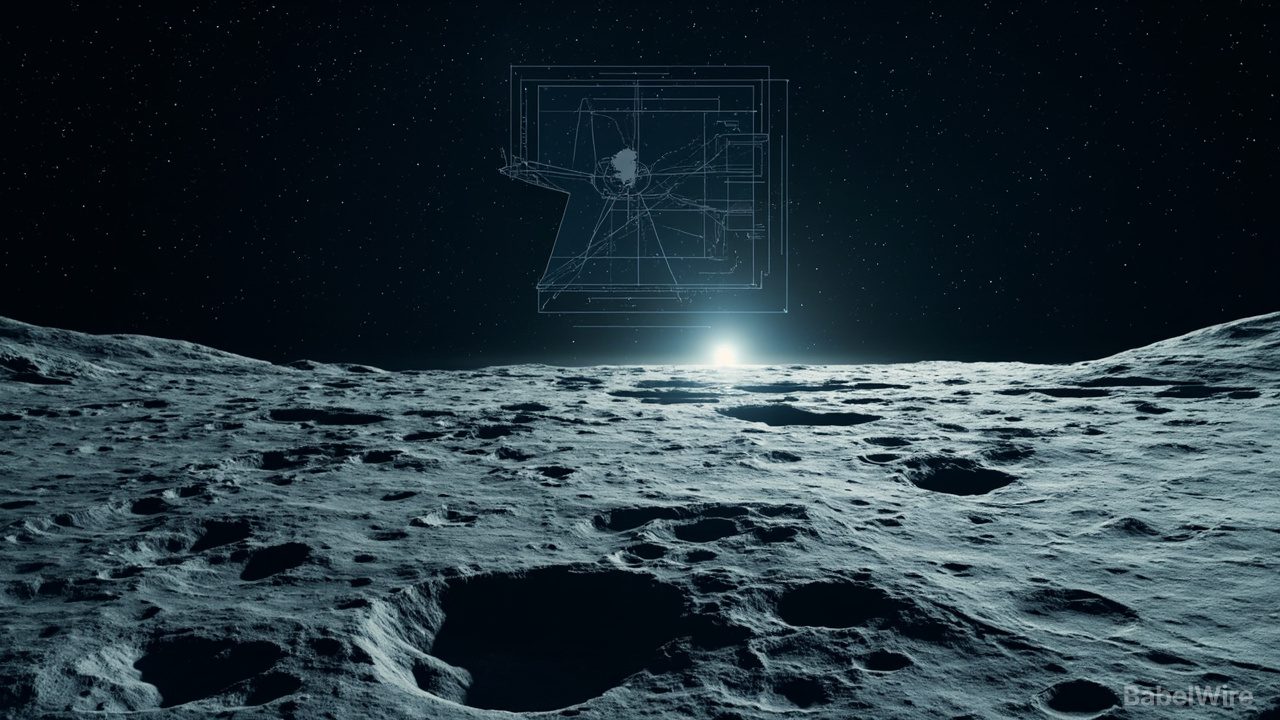
NASA's plan for returning humans to the Moon is taking shape, even as some of the biggest questions surrounding it remain open.
The agency has been rewriting its lunar architecture for some time, revisiting lander plans, spacecraft timelines, and the structure of its Artemis program amid budget pressure and shifting schedules. Recent moves have included restructuring the Moon lander plan and closing out long-running problems with the Orion crew capsule, steps intended to give the program a clearer path forward.
Yet substantial uncertainties persist. Key decisions about the timing of future missions, the division of work between NASA and its commercial partners, and the overall cost envelope have yet to be settled. The agency must also contend with how its Moon ambitions fit alongside Mars planning and the competing demands of science, human spaceflight, and national priorities.
For now, the plan's broad outlines are visible — a continued reliance on commercial landers, a stepped sequence of missions, and an emphasis on establishing a sustained presence rather than a single flag-planting visit. But whether the pieces add up to a coherent, fundable program is precisely what remains to be seen.