Two of NASA's four missions operating at Mars have suspended science operations after hitting separate technical problems in recent weeks — a fresh blow to an aging fleet.
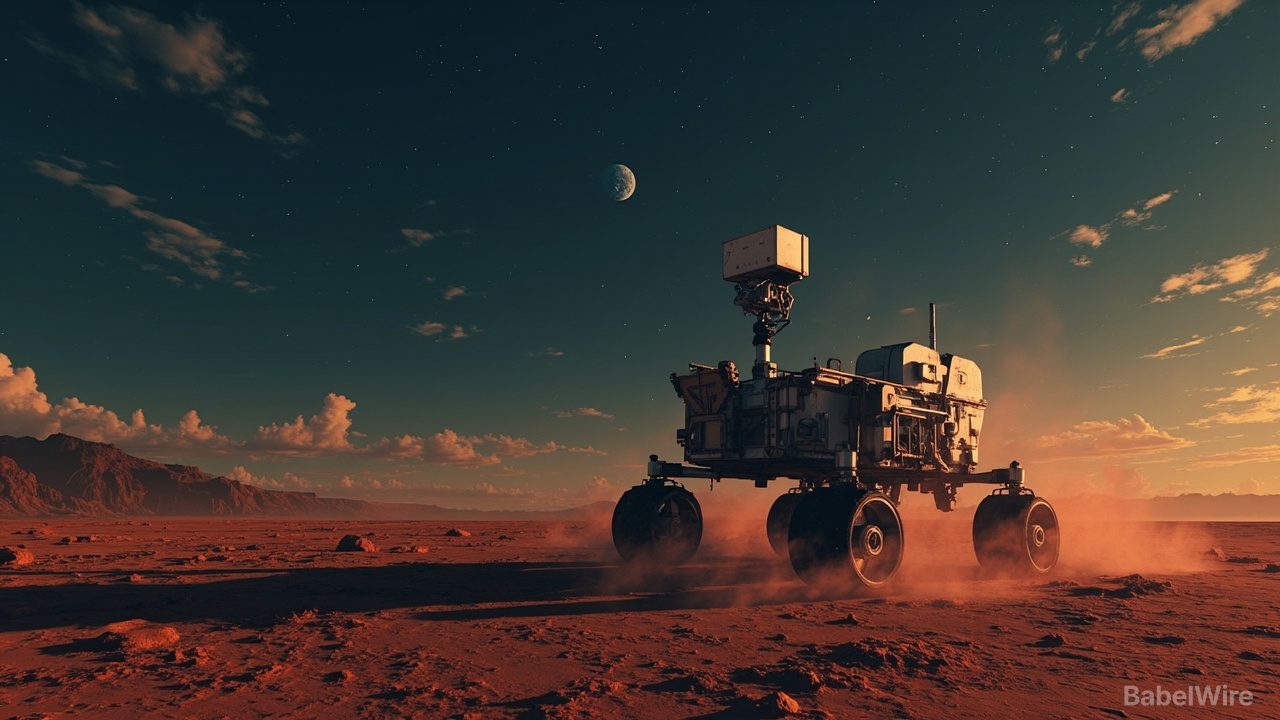
Perseverance loses its voice. The rover has two redundant UHF radios for high-rate relays through orbiters, plus a slower direct-to-Earth X-band link. On October 30, one UHF radio was unresponsive when it powered up, and when the rover automatically switched to the backup, ground teams found it transmitting at about half its expected power. "The team has stopped using both radios until they can evaluate potential causes," NASA said. Perseverance is now talking to Earth only over X-band at a significantly lower data rate, and science operations are paused; managers hope to resume by the end of November. The rover had just set a record in October for the farthest any vehicle has driven on another planet — 45.16 kilometers.
Odyssey runs on fumes. One of the orbiter's four reaction wheels stopped spinning in early November, leaving only two good wheels after a first failure in 2013 — but the spacecraft needs at least three to stay pointed. It must now rely solely on hydrazine thrusters for orientation. Engineers estimate that leaves just one to two months of fuel, versus earlier projections of operating through at least the end of 2028.
The rest of the fleet is aging too: Curiosity is in its 14th year, and NASA lost MAVEN last December after it spun out of control. NASA is preparing reinforcements — a $700 million Blue Origin telecom orbiter — though that contract is on hold while the Government Accountability Office resolves Rocket Lab's protest, with a ruling expected next month.