Meta's AI pendant is not out yet. The thing that looks like it costs $50 and was reflashed in an afternoon.
Meta shipped Muse Gadgets in early October: an Apache-2.0 SDK on GitHub (facebookincubator/muse-gadget-sdk) with two paths — an ESP32 device SDK for microcontroller boards and a Linux device SDK for a Raspberry Pi or a spare box — that pair an off-the-shelf board to the Muse assistant through developer mode in the Muse app. Every gadget needs an SDK token before it will pair. The README is candid about its audience: "built by hackers, for hackers, just for fun. Side effects of tinkering may include bricked boards, voided warranties, brownouts, or bankruptcies."
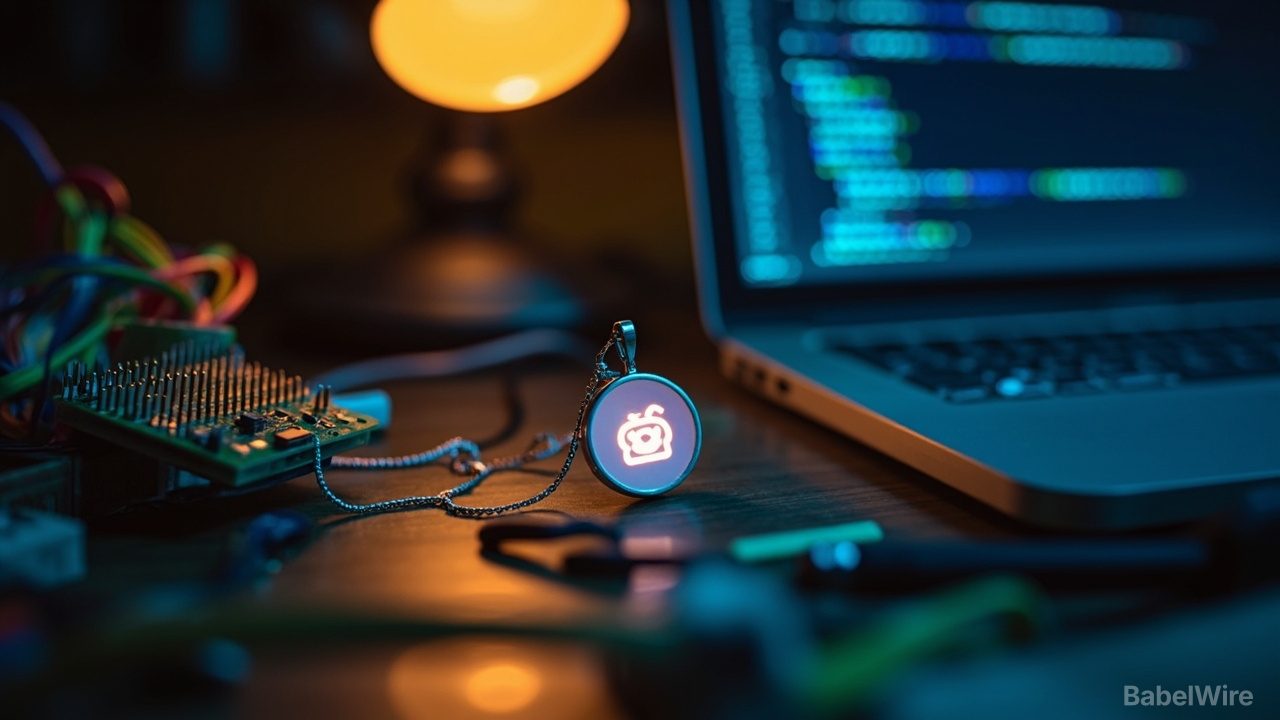
The Verge's Sean Hollister took the invitation literally. He bought a Waveshare ESP32-S3 1.75C — a 1.75-inch touchscreen pendant, drop-shipped from China for about $50 — which Meta itself lists among the suggested boards. Then, with Claude Code and, by his own account, no coding experience, he fixed what the reference build did not do: Muse mistook push-to-talk audio for a transcription request, answers arrived silently, and only a few words fit on screen.
What he ended up with: a swipeable conversation history, ElevenLabs text-to-speech for spoken replies, a phone-camera remote with a live preview over Wi-Fi and a worse one over Bluetooth, a Tamagotchi-style pet with four levels of hunger, boredom and dirt, and a working three-handed pocket-watch face (15 minutes, he says). He also noticed that releasing the push-to-talk button too early sent near-empty audio, so the firmware now drops clips under a second.
The caveats are his own and worth repeating: he cannot vouch for the code, latency sometimes comes from Meta's servers rather than the board, and he put the pendant on guest Wi-Fi because he does not trust the Muse agent with his home network — a wariness sharpened by a report that Muse leaked a reviewer's home address.
The strategic read is the interesting part. Shipping first-party hardware is expensive and slow; shipping an SDK means the enthusiasts build the category ahead of you, on bills of materials you never qualified. It also means the eventual Muse Charm will be judged against a $50 board that a hobbyist can reflash — a hard comparison for a consumer gadget to win.
One detail worth noticing in the licence: the Apache 2.0 grant covers the SDK and firmware, but explicitly not the Jollybot avatar. The cute face is the product; everything under it is now an invitation.