Mini-PCs are supposed to be small, cheap and powerful enough for almost any everyday task — but in c't's new test round, the second half of that pitch falls apart. The c't uplink team waited specifically for Apple's Mac Mini with the M6 processor and assembled a broad field of machines; their first finding is a pricing message.
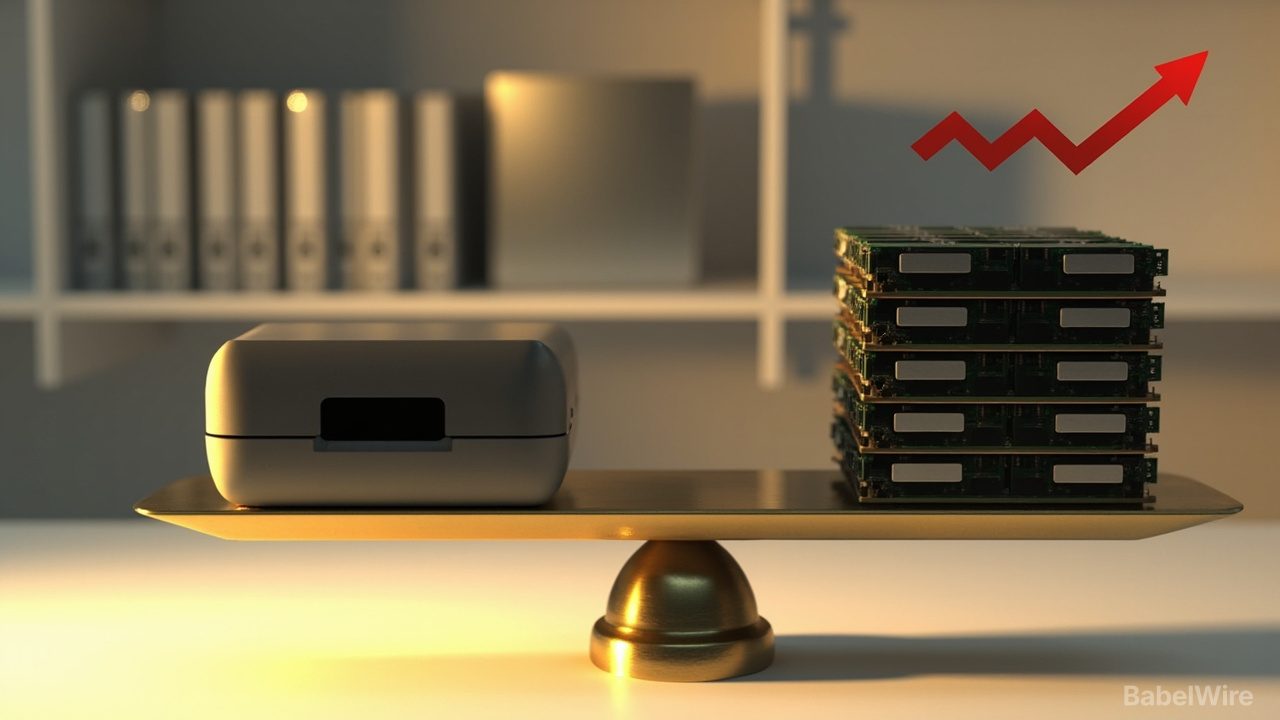
After the steep rises in RAM and SSD prices, the little computers are no longer cheap. Only one model stays under €700, another sits just under €1,000 — the rest start well above that, in some cases considerably. The price question has therefore become more important than the performance question, and because some variants solder the memory to the board, the choice gets more complicated still.
The test lines up mini-PCs from Acer, Asrock, Asus, Lenovo and MSI alongside the Apple Mac Mini. Apple's machine carries the company's own ARM M6 chip; the other five run x86 processors from AMD or Intel. On raw compute the M6 leads, followed by a fast Intel processor; the more frugal Intel and AMD platforms deliver less, but cost less too. ARM chips from Nvidia and Qualcomm are absent from this round, and the c't editors explain at length how long they may still have to wait for them.
Just as notable is what is missing from the test bench: smaller Chinese manufacturers were deliberately excluded this time, above all because of the lack of warranty coverage. A longer side discussion covers used mini-PCs as an alternative — more tempting than ever given current memory prices — as well as how well Windows and macOS cope with 8 GB of memory and when Linux is the better choice. Carsten Spille also tested all five x86 machines under Linux.
The real news is therefore less about the hardware than about the market: component prices have become the defining factor in a segment that has always defined itself by price.