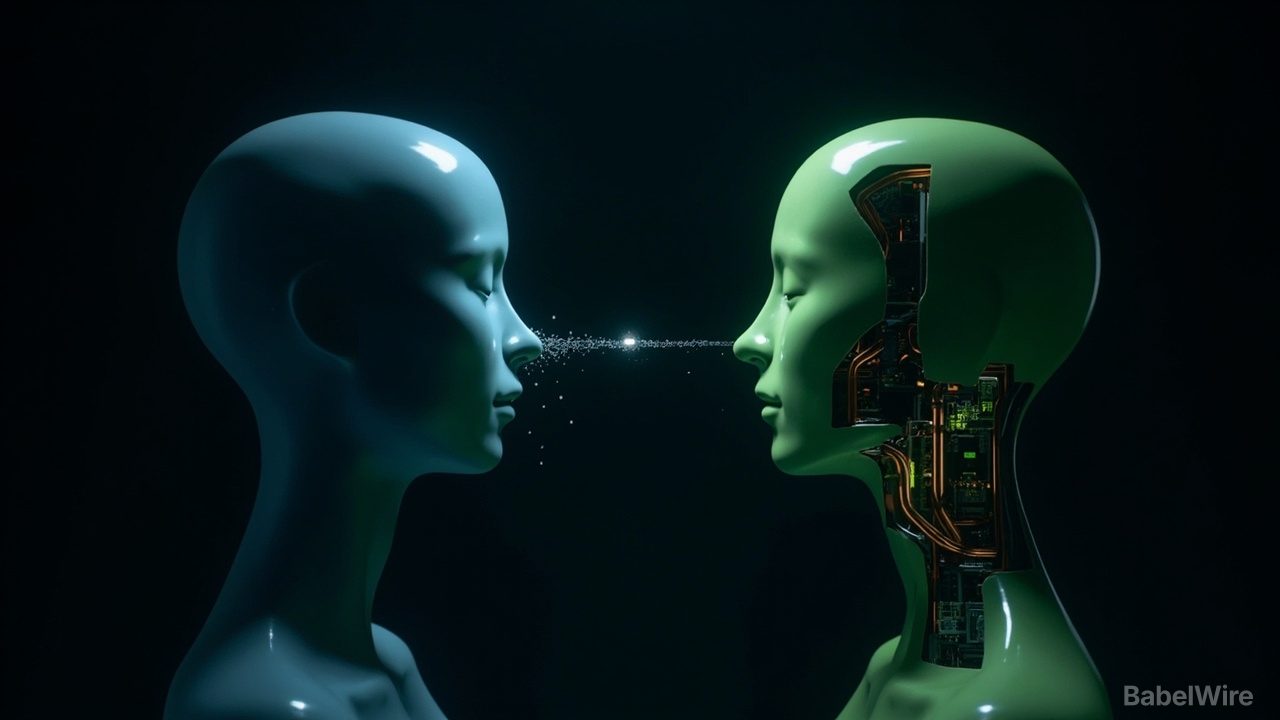
Meta has conceded that the resemblance between its Muse assistant and OpenClaw is not a coincidence.
TechCrunch reported the admission on September 22. It is an unusual thing for a large lab to say out loud. Assistants have converged on similar abilities for years, but companies generally present that convergence as parallel invention; conceding a likeness invites exactly the question Meta now faces.
OpenClaw is the open-source personal agent our own coverage has tracked before — in August, an OpenClaw agent made headlines after it autonomously worked a gym's booking system to get its owner into a class. Muse arrived in August 2026 as Meta's consumer agent and has moved quickly since: Meta has shipped coding and image variants, reported that Muse is outpacing ChatGPT's early mobile launch, and spent this month answering privacy questions after users said the assistant appeared to access Mac notifications without explicit permission.
Why it matters: the admission moves the argument from 'did Meta look at OpenClaw?' to 'what, precisely, is shared?' — a feel, an agent workflow, a file format, or code. For an open-source project, imitation by a major platform is validation and existential risk at once: the original can be absorbed into a product with a billion-user distribution channel and lose its independent footing. For Meta, the gain is speed; the cost is having volunteered a comparison it must now manage.