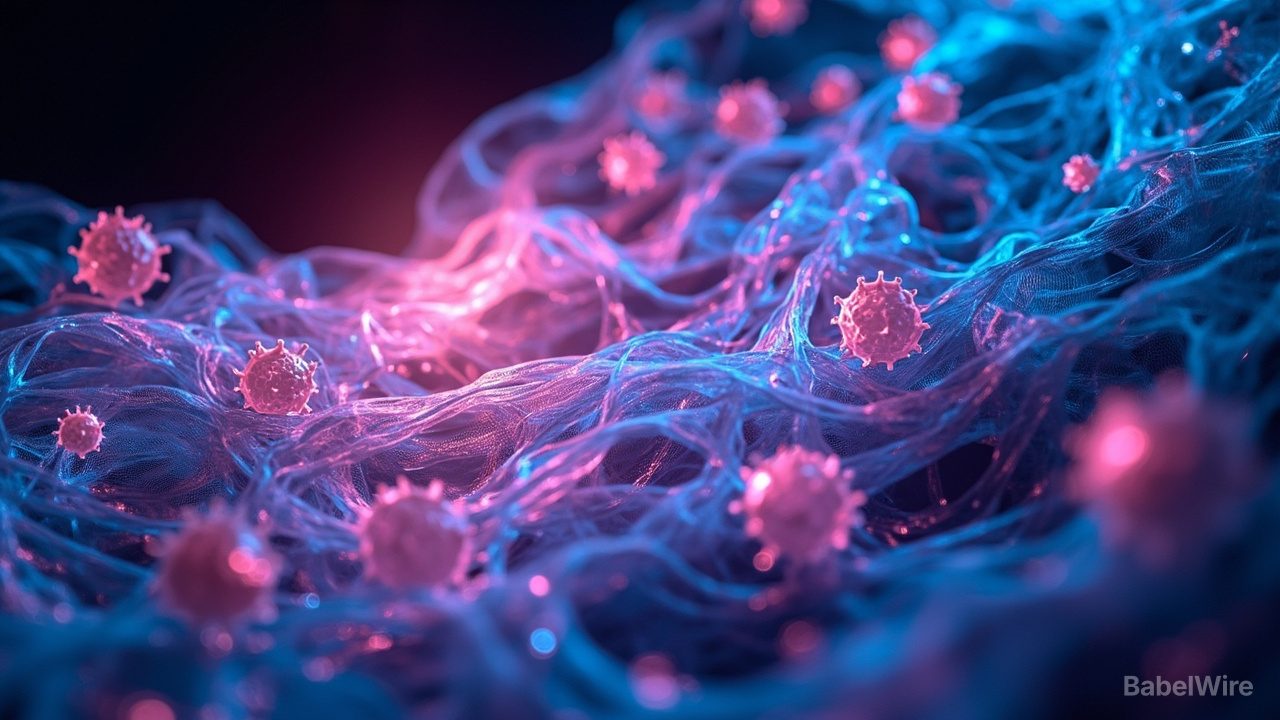
New research led by scientists at La Jolla Institute for Immunology (LJI) and the University of Liverpool provides the first comprehensive look at a hidden immune cell army that defends the vast, vulnerable tissue of the human lungs.
The study, published in Nature Immunology on July 28, reveals that human lung tissue serves as a "reservoir" for a large number of tissue-resident memory T cells (TRM cells). These cells stand ready to combat a surprising range of viruses, bacteria, and even deadly fungal pathogens.
A Hidden Army
How has this army remained hidden for so long? The researchers found that these TRM cells reside only in the lungs, meaning they don't show up in blood samples. And while these TRM cells can live for years in human lung tissue, they don't persist in mice — a common model in preclinical research.
"This study highlights the power of investigating immune cells from humans," says study leader Dr. Pandurangan Vijayanand, William K. Bowes Distinguished Professor at LJI.
What They Found
The researchers examined more than 87,000 lung TRM cells from 40 human study participants, aged 61 to 83. By analyzing these cells at single-cell resolution:
- Broad viral coverage: Most participants had TRM cells ready to respond to influenza type A, SARS-CoV-2, parainfluenza virus, respiratory syncytial virus (RSV), and metapneumovirus. - Bacterial threats: Lung T cells could target Bordetella pertussis, the bacterium that causes whooping cough. - Fungal defense: Some participants even had TRM cells capable of responding to Aspergillus fumigatus, a fungus that can cause life-threatening infections in immunocompromised patients. - Herpesvirus watch: Cells targeting cytomegalovirus (CMV) and Epstein-Barr virus (EBV) were also present.
Why This Matters for Vaccines
The findings have major implications for vaccine development. Since TRM cell responses in lung tissue are invisible in blood samples, vaccine researchers may need to examine lung T cells directly to understand how to boost respiratory immunity.
"An important next step is to study how vaccination impacts TRM cells in the lungs," says Vijayanand. The team plans to assess samples from donors who recently received vaccines.
A Species Difference
Crucially, the study reveals a key biological difference between humans and mice. Previous studies found TRM cells in mouse lungs, but these cells undergo rapid attrition. Human TRM cells, by contrast, remain in the lungs for months or even years — a finding that may reshape preclinical vaccine research.
With respiratory infections remaining a leading cause of death worldwide, this hidden immune army may hold the key to longer-lasting, more effective vaccines.