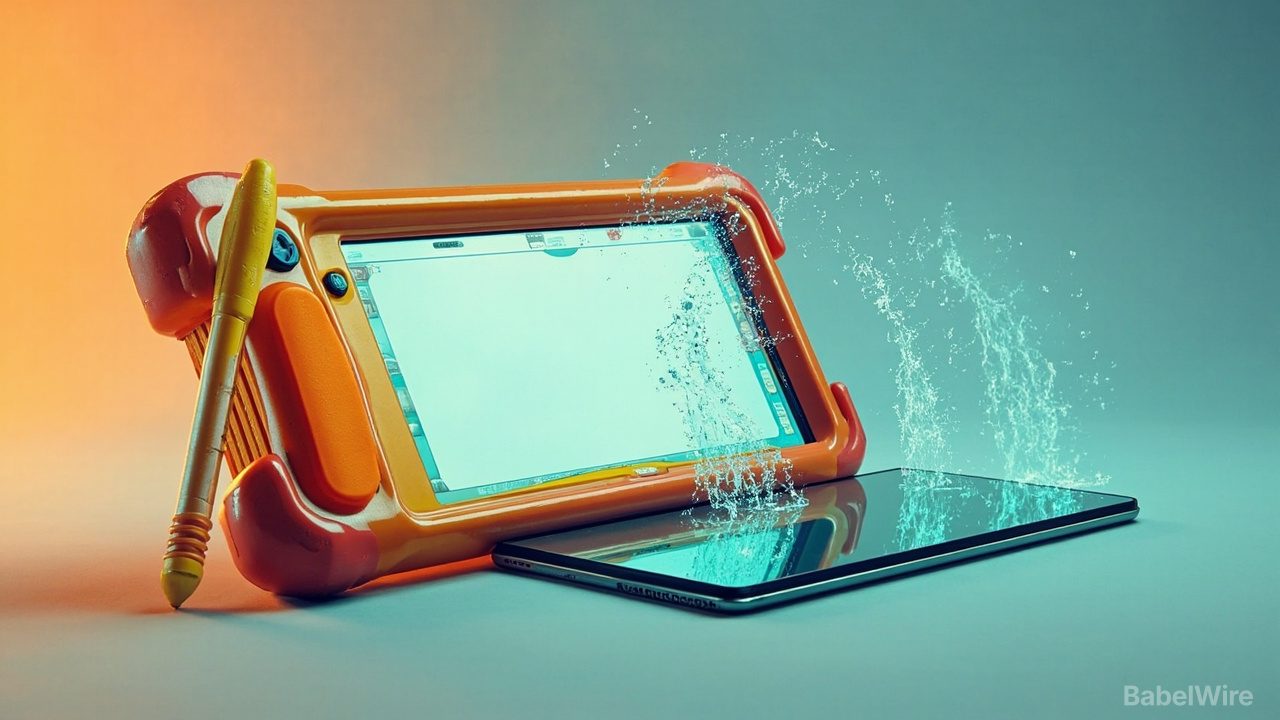
Before the iPad, there was the LeapPad. A podcast from The Verge revisits why LeapFrog's child-friendly learning tablet, which once looked like a durable category of its own, could not survive the arrival of the general-purpose tablet.
LeapFrog built its business on dedicated hardware: colourful, rugged devices with a curated library of educational cartridges and apps aimed at parents. The LeapPad sold in large numbers, and the brand became a fixture of the children's-technology aisle.
Then Apple shipped the iPad in 2010. A general-purpose tablet could do much of what the LeapPad did, plus everything else, and its app store refilled itself with new content without a cartridge purchase. Parents who already owned a tablet had little reason to buy a second, single-purpose device for their children.
The economics turned against dedicated hardware. LeapFrog had to fund its own content pipeline and hardware refresh cycles, while Apple and Android tablets rode much larger ecosystems and falling component costs. Market share and margin compressed, and in 2016 the company was acquired by VTech, folding it into a larger toy group.
The lesson has outlived the product. Dedicated devices win when they do something a general-purpose platform cannot — durability, safety, a locked-down experience — and lose when that advantage can be matched at a lower price. The same forces are now shaping smart speakers, e-readers and the wave of AI gadgets. The Verge's episode is a version history of how quickly that can happen.