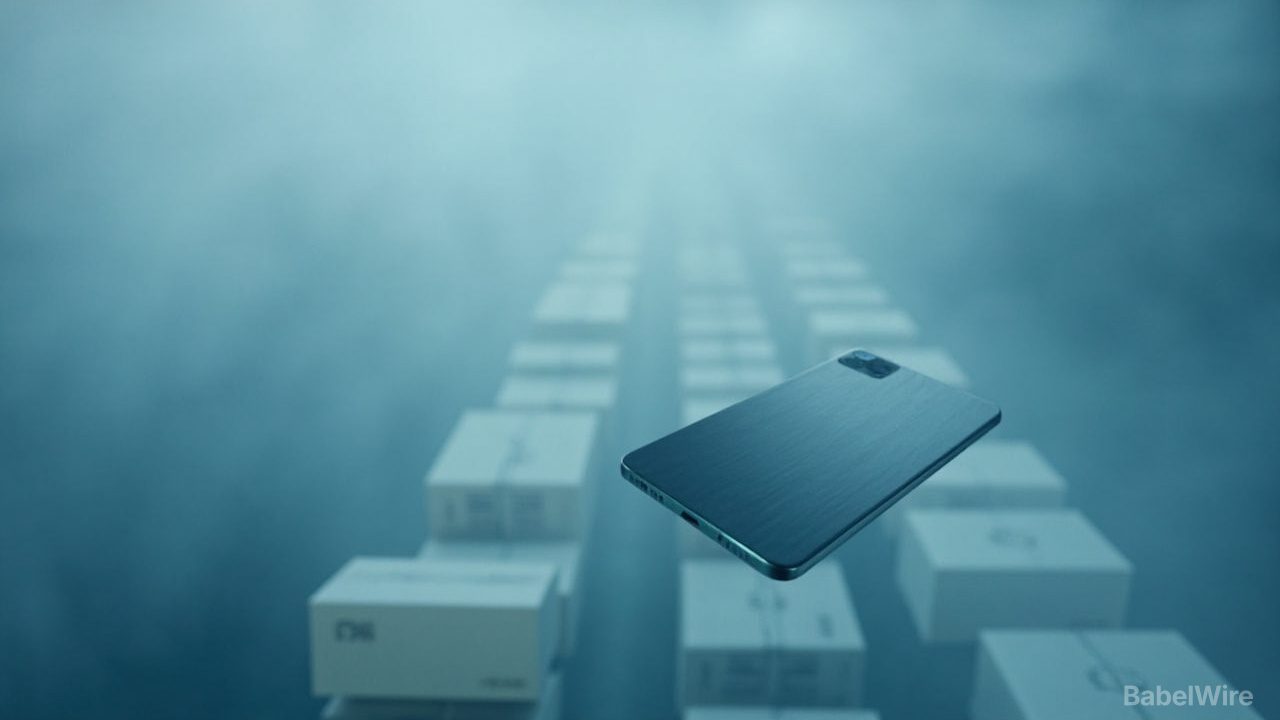
Delivery dates for Apple's iPhone Duo now reach past 2027, Golem reports — a strange sentence to write about a phone that launched in September, has a repair programme for its matte top layer, and has already spawned a small cottage industry of apps designed for its inner screen.
A slip of that length is not a shipping delay in the ordinary sense. An eight-week backlog is a shipping delay. A queue that runs past the end of the following year is a statement about how many units Apple believes it can build, and it lands on top of reporting from before launch that output had been stuck at a few hundred units a day.
There are two readings, and they lead to different conclusions.
The first is demand: Apple priced the Duo into a narrow band of buyers, took an order book far larger than it planned for, and is now openly telling people at the back of the queue that 2027 is not realistic. That is a good problem presented badly. The second is supply, and it is the more likely one. Foldables are constrained by exactly the parts that do not scale on command: display yield on a panel that must survive tens of thousands of folds, the hinge assembly and its tolerance stack, and the crease — the cosmetic flaw that reviewers forgive and buyers photograph.
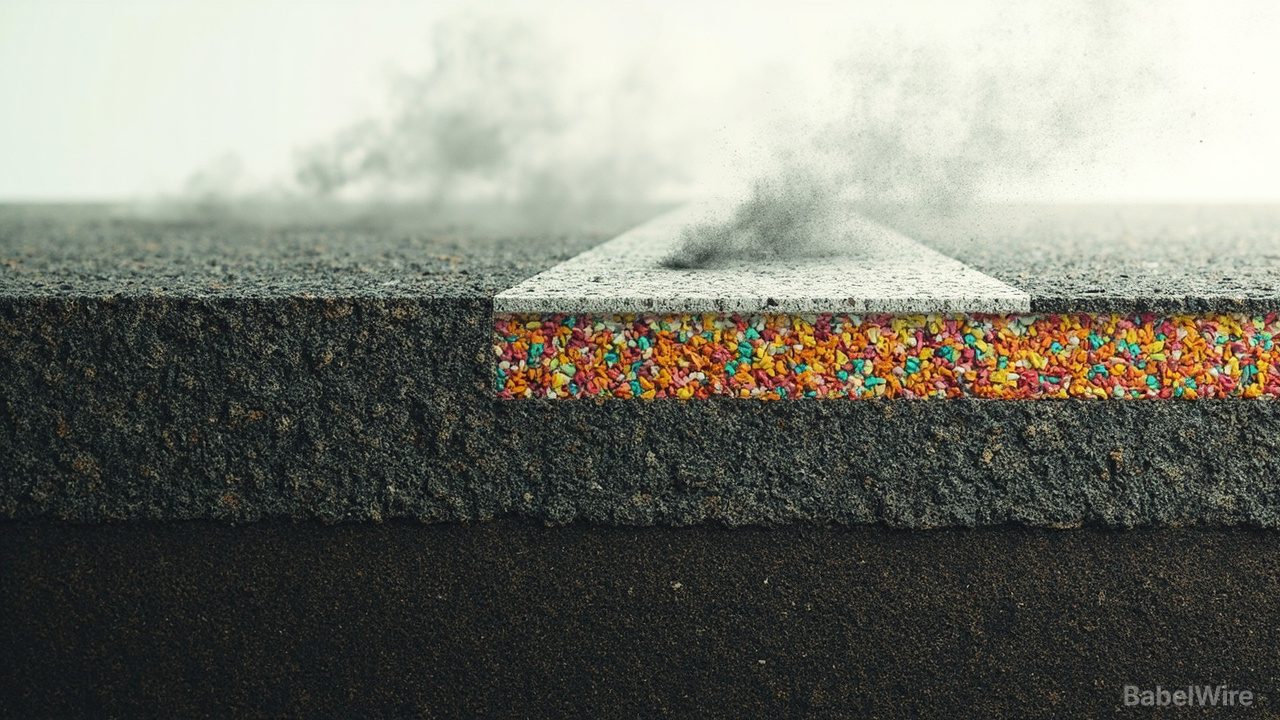
Apple's answer to the crease appears to be the matte top layer it will replace for $19, and only with AppleCare+. Read that policy as an engineering admission. A surface layer that wears and can be swapped is a design that expects to wear, and a programme that charges for the swap while requiring the extended warranty is a company pricing a consumable it would rather call a finish.
What the foldable supply chain does not do is respond to a good quarter. Panel capacity is booked quarters ahead. A second assembly line takes longer than a marketing calendar. If the constraint is yield, the only honest forecasts are long ones — which is roughly what a 2027-and-beyond date is.
The market context makes the timing worse. Foldables remain a small, high-margin slice dominated by Samsung, with Huawei strong in China; the category has spent years waiting for a player with Apple's volume to make it mainstream. Apple arriving with a device it cannot build fast enough is a strange kind of validation: the demand signal is real, but the manufacturing base is not there to absorb it.
For buyers the practical advice is unglamorous. A date past 2027 is not a promise, and foldable durability is a first-generation risk regardless of brand. Anyone ordering now should treat the delivery window as a placeholder and the device as a v1.0 — and should read the terms of that $19 layer replacement before, not after, the first scuff.
For Apple the strategic question is whether the Duo is a halo product or a platform. A halo can stay scarce; a platform cannot. If the answer is platform, the constraint is not demand management but a supplier base that has to be built out over years — and the delivery dates are simply the first public evidence of how long that will take.
What to watch: whether the date slips again, whether Apple narrows configurations to protect volume, and whether the next foldable is announced before the first one is broadly available. The last would tell you which reading Apple itself believes.