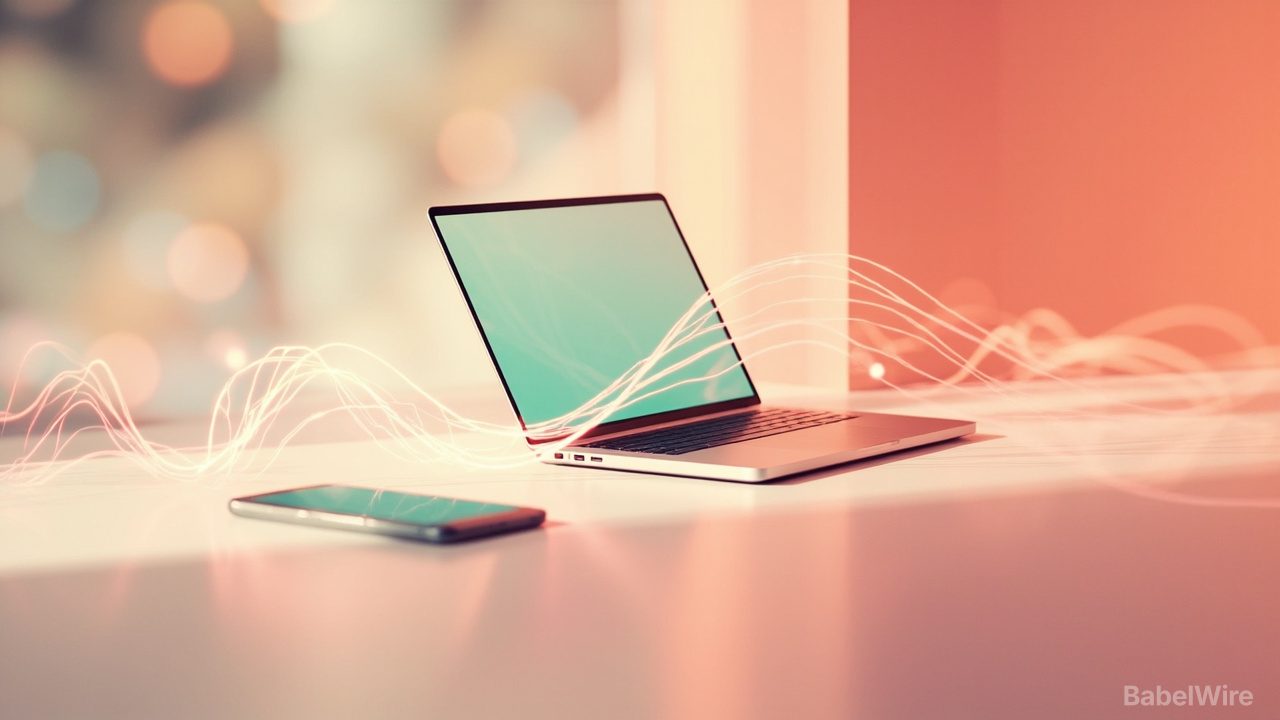
Google's long-teased Android laptop platform is no longer a prototype. The first five Googlebooks went on sale on Sunday, October 4, from Dell, Acer, Asus, Lenovo and HP — Google's biggest push into personal computing since Chromebooks, and its first laptop operating system built around Android rather than ChromeOS.
Early hands-on coverage is enthusiastic about one thing above all: the phone. Setting up a Googlebook prompts you to pair an Android handset by scanning a QR code, then pulls down apps already installed on it. From there, phone apps appear in their own app drawer, phone files show up in the Files app, notifications arrive on the laptop, apps can be cast from the phone to the bigger screen, and a running task can be moved from phone to laptop with a single click. The Verge, which received all five review units about 24 hours before publishing its first impressions, called the phone integrations "slick" and the overall experience "exciting but underbaked", describing devices that feel very Chromebook-ish and "at times a little janky."
The launch has not been seamless. Google acknowledged day-one Android app performance problems, warning that certain Googlebooks — specifically Intel-based models from Acer and Asus — will not offer full Android app support or smooth performance at launch, largely because many Android apps ship only ARM builds. Intel publicly disputed that framing, saying its Googlebooks will not have issues with Android apps, though Gizmodo noted ARM-based machines may still have the cleaner launch experience.
Reviewers were kinder about hardware, describing premium, high-spec machines with strong claimed battery life. Rough edges, they argue, are the normal tax of a brand-new platform and should smooth out through updates.
The strategic bet is clear. Google already dominates US classrooms with Chromebooks and owns the software in most Android users' pockets; a laptop that natively runs the same apps and shares state with that phone creates an ecosystem moat Windows and macOS cannot easily match — if developers keep x86 builds alive and if the experience stops feeling underbaked. For now, Googlebooks are a promising version one aimed squarely at the hundreds of millions of people who already carry Android.
Sources
- theverge.comThe Verge — Our first five impressions of Googlebooks — exciting but underbaked
- cnet.comCNET — Google Acknowledges Day 1 Android App Performance Issues on New Laptops
- gizmodo.comGizmodo — Intel Says Its Googlebooks Won't Have Issues With Android Apps, Despite Google's Claims
- androidcentral.comAndroid Central — Googlebooks are here, but Google says some laptops won't run every Android app
- pocket-lint.comPocket-lint — The Asus Googlebook 14 is sprinkled with hints of greatness
- thurrott.comThurrott — Lenovo Googlebook 15: Software First Impressions