Elon Musk declined to be interviewed for the documentary about him. So director Alex Gibney built him out of what was already public.
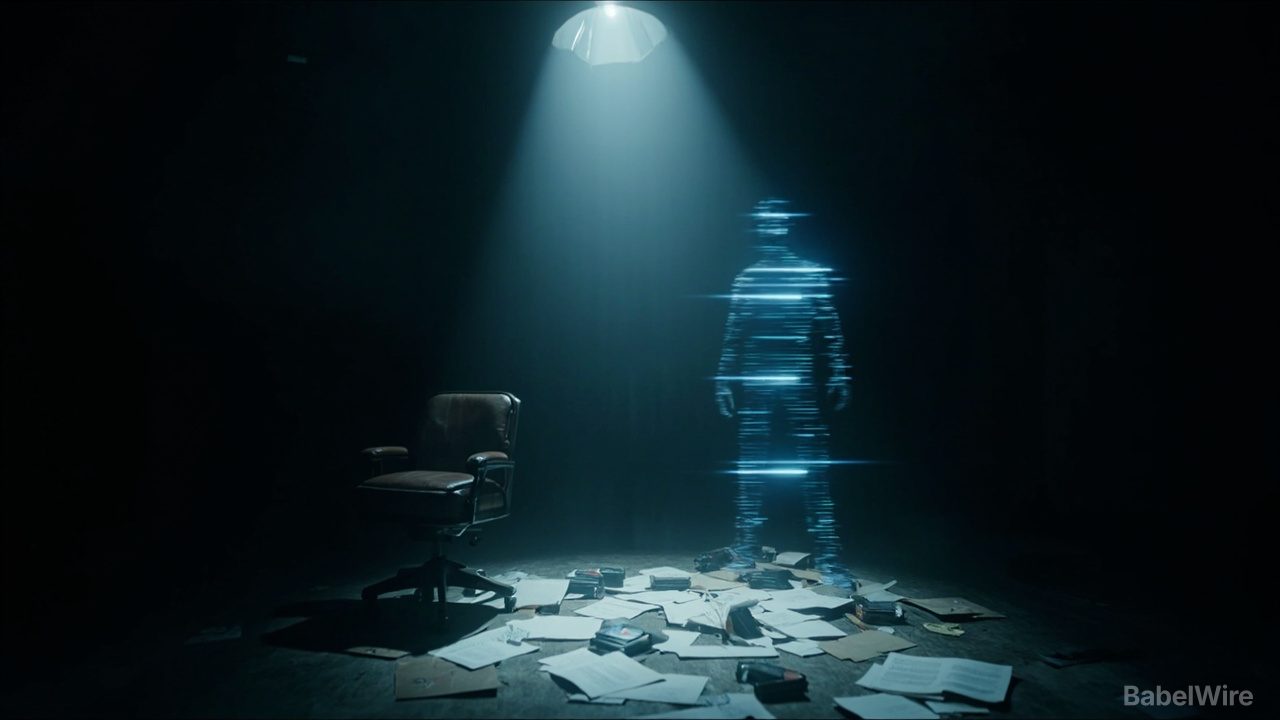
Gibney's team assembled a simulated version of Musk for the film — actual quotes from years of appearances, paired with a tanned, chiselled avatar in a leather jacket. At an event at the WIRED World Fair, shortly before many congressional races were called, Gibney described it as the only way to let Musk speak in the film without Musk answering.
Musk has called the film a "hit piece". In September his attorney, Alex Spiro, sent Gibney's Jigsaw Productions a letter threatening a defamation suit ahead of release. Bleecker Street, which holds US theatrical rights, moved the release up a week after strong festival reviews. From November 6 the film is available to rent or buy, and leaves cinemas.
How it was advertised is also notable — or rather, that it wasn't. According to The Hollywood Reporter, YouTube, TikTok and Meta all initially declined to run the trailer as an ad; X did not advertise it at all.
That makes the film a technical precedent as well as a legal one. Reconstructing a non-participating subject from archival footage and a generated performance is precisely the capability platforms are currently trying to contain with labelling rules. For a public figure with a decades-deep archive it reads as craft rather than deception — but the line between this and what gets called a deepfake is drawn by context and consent, not by the underlying technique.
Substantively, Gibney is chasing a narrower question. The film traces multiple US agency investigations into Musk's companies and argues they partly motivated his support for Donald Trump and other Republicans. Musk donated more than $474 million to Republican political groups this cycle, including at least $158 million to super PACs backing Ken Paxton. Paxton lost his Senate race to James Talarico; Gina Hinojosa was elected governor — the first Democrats to win a Texas statewide race in more than three decades.
"He now has such an extraordinary amount of money that dropping $500 million on an election means nothing to him," Gibney said. Much of it, though, is tied up in his companies' stock. "The question is: what if that stock begins to fall?"
Whether a Democratic majority actually pursues investigations is unresolved. Gibney's own question is the sharper one: whether a political system that depends on donations is capable of ignoring the power of money at all.
For the technology industry the takeaway is less comfortable than the politics. The tool that lets a respected director put words in an absent billionaire's mouth is the same tool in every other hand — and the difference is a press badge.