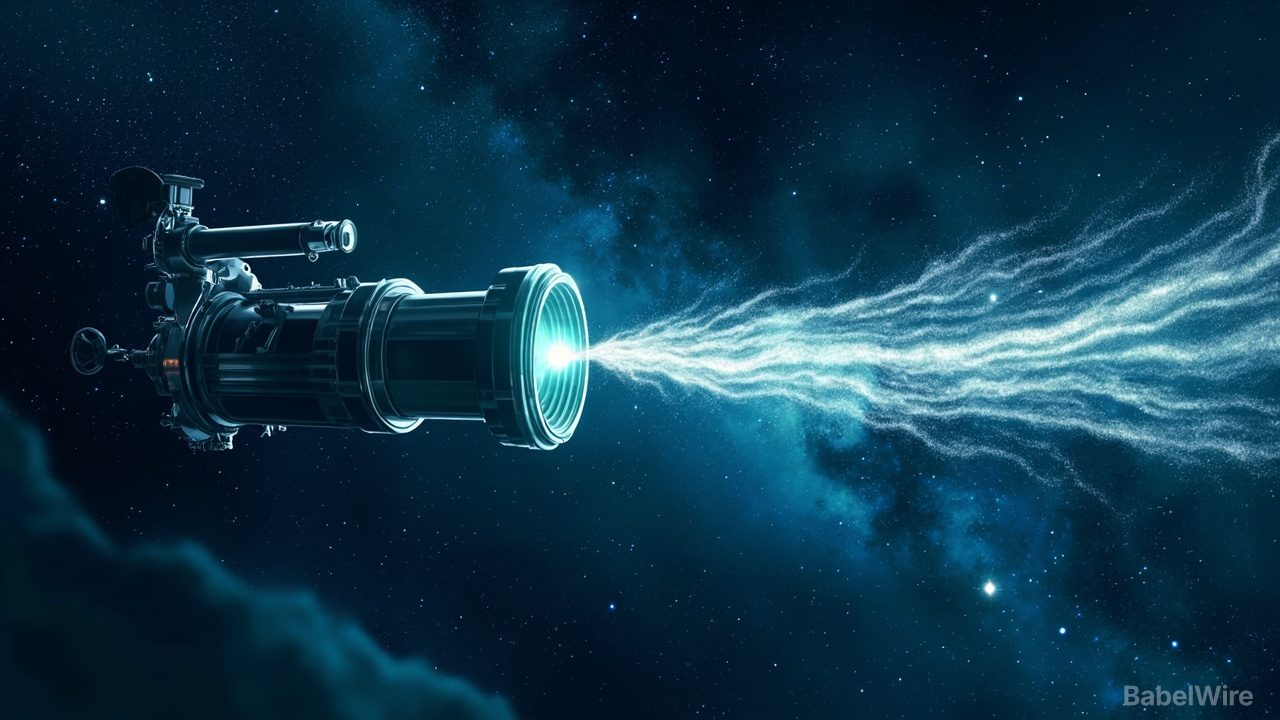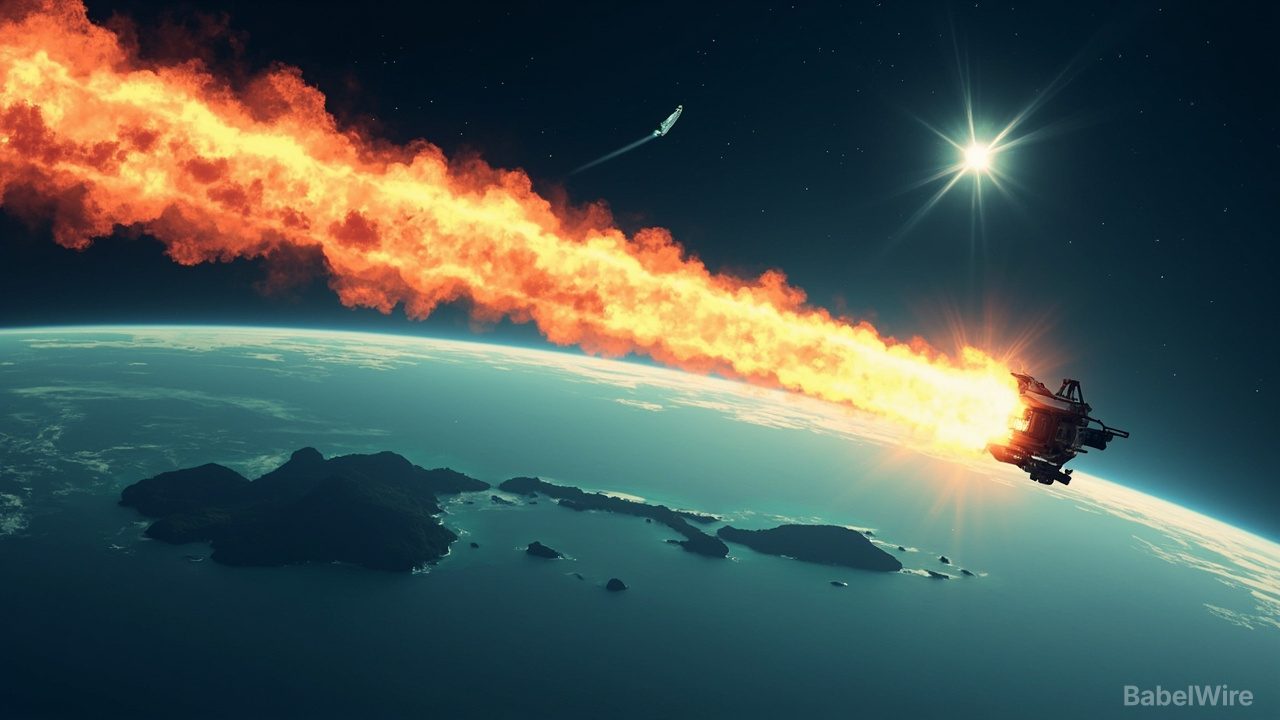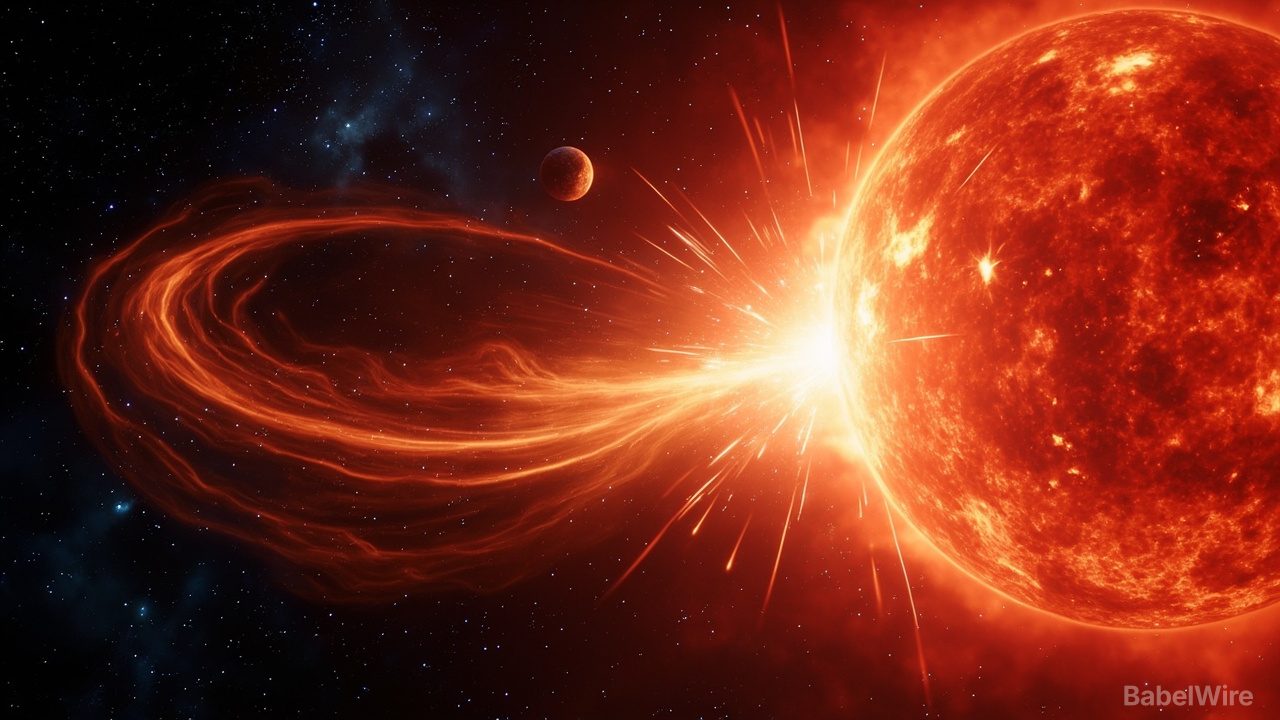
Astronomers have observed a rare and violent stellar death in real time: a star spiraling into the massive companion that swallowed it before the pair exploded.
The event gives researchers a front-row seat to a merger process that has long been theorized but difficult to catch. As the smaller star drifted inward, it plunged through the outer layers of its giant neighbor, spiraling tighter and tighter until the two bodies merged and the system erupted. Such common-envelope and merger events are thought to precede some of the most luminous stellar explosions in the universe, including luminous red novae.
Watching the spiral unfold allowed astronomers to measure how the orbit shrank and how the stellar material behaved under extreme conditions — details that are hard to model from theory alone. The observation also helps explain a class of transient events that were once seen only after the fact, when the bright flash had already faded.
Because the system was caught before and during the blast, researchers can now compare predictions with what actually happened, tightening models of how binary stars interact, transfer mass, and ultimately destroy one another. It is a reminder that some of the universe's most energetic events begin with a slow, silent inward drift.