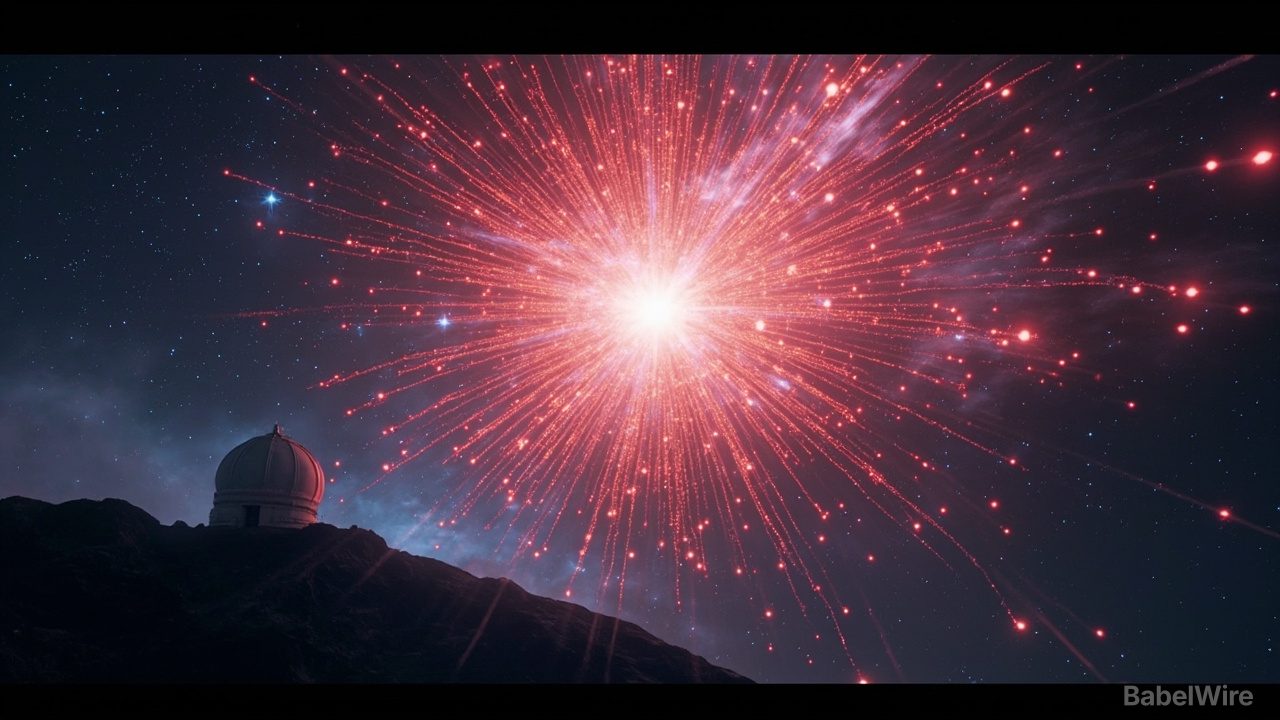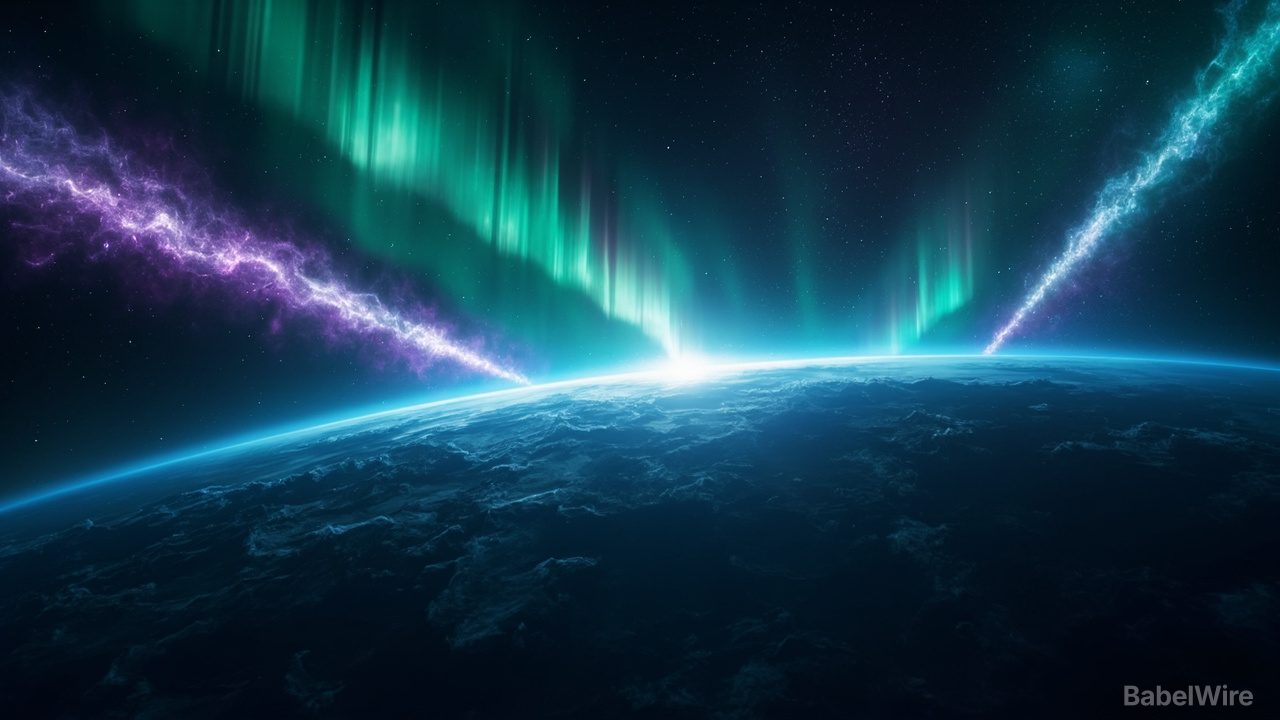
Earth is under a G2 (moderate) geomagnetic storm watch for October 11, after two coronal mass ejections were launched toward the planet by solar activity on October 8.
NOAA's Space Weather Prediction Center issued the watch covering the expected arrival of both CMEs. G2 storms sit in the middle of the scale: they can push auroras far south of the Arctic — forecasts circulated for the weekend suggested the northern lights might be visible from US states as far south as New York and Idaho — while posing modest risks to satellites, high-frequency radio and GNSS navigation.
For skywatchers the practical advice is unchanged: get away from city light, look north, and let your eyes adapt for 20 to 30 minutes. For operators, a G2 is a routine but real event — spacecraft teams use these windows to watch for charging effects on components and drag changes in low Earth orbit.
What makes this one worth tracking is the sequence: two clouds arriving close together. When a second CME overtakes material still streaming from the first, the interaction can intensify the disturbance. Watches are probabilistic, and the strongest effects are often limited to the hours when the interplanetary magnetic field turns southward and couples efficiently with Earth's magnetosphere.