A new study in Nature Medicine puts a global number on what a very strong El Niño does to mortality for the first time. The team at the Barcelona Institute for Global Health (ISGlobal) estimates 107,035 additional heat-related deaths in such years — and 112,681 fewer cold-related deaths. Globally, the two largely cancel out. That is precisely the misleading figure.
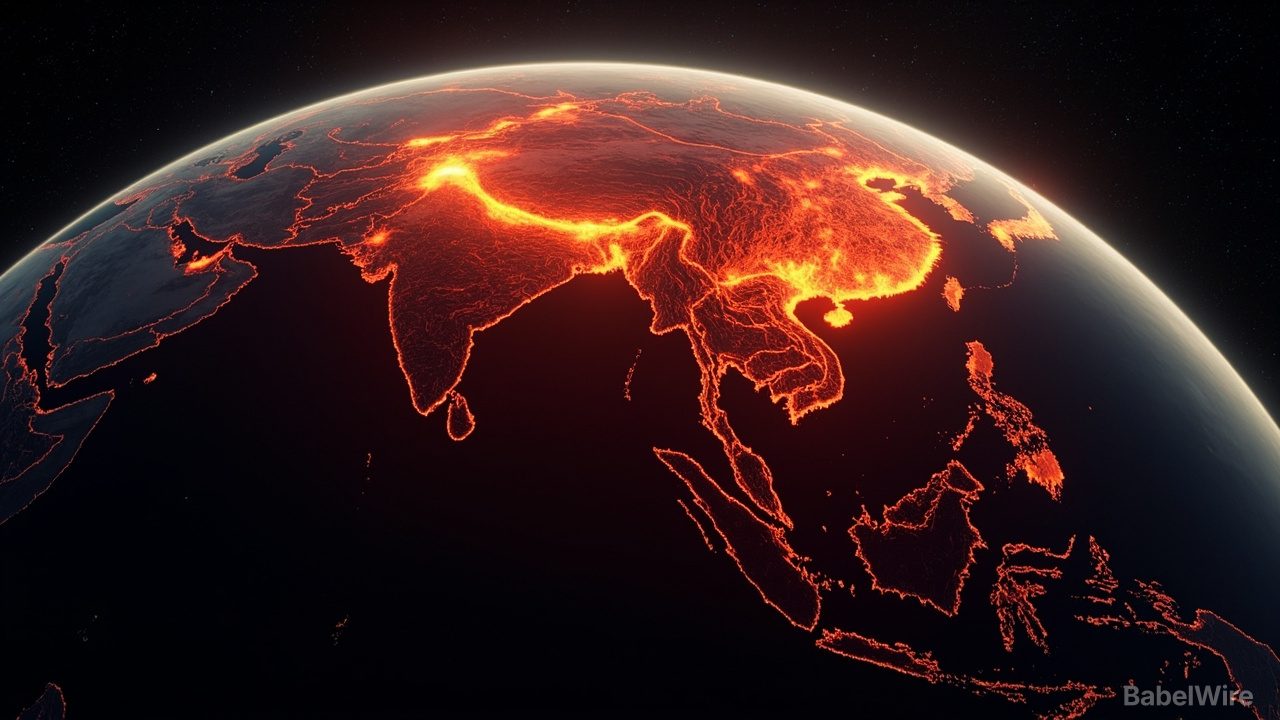
The distribution is brutally uneven. The largest percentage increases in heat mortality fall on South America (76.1%), Small Island Developing States (65.9%), sub-Saharan Africa (54.0%) and South and South-East Asia (43.1%). Tropical regions carry the burden despite relatively modest temperature shifts.
The Human Development Index makes it starker: low- and medium-HDI countries hold 42.2% of the world's population but account for 67.7% of the estimated increase in heat deaths. The medium-HDI group alone sees about 61,863 additional deaths a year — 58% of the global increase.
The evidence base is 1,667 regions in 125 countries with mortality records, extrapolated to 3,331 regions in 189 countries and more than eight billion people, covering 1980 to 2023. That includes the intense episodes of 1982–83, 1997–98 and 2015–16.
The authors name the limits themselves: mortality records were missing for a third of the countries analysed, so estimates for many low-HDI countries rest on models built from other regions. And the associations are retrospective — they cannot be used to predict deaths during the current 2026–27 El Niño.
Why it still matters practically: El Niño is among the most predictable climate patterns, with reliable forecasts seasons ahead. The authors argue for regional heat warnings and targeted preparation exactly where the excess mortality concentrates — which is not where the offsetting cold benefit lands.